Summary
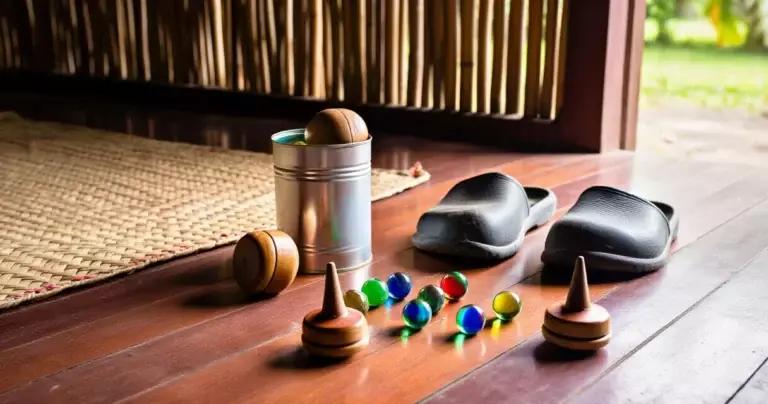
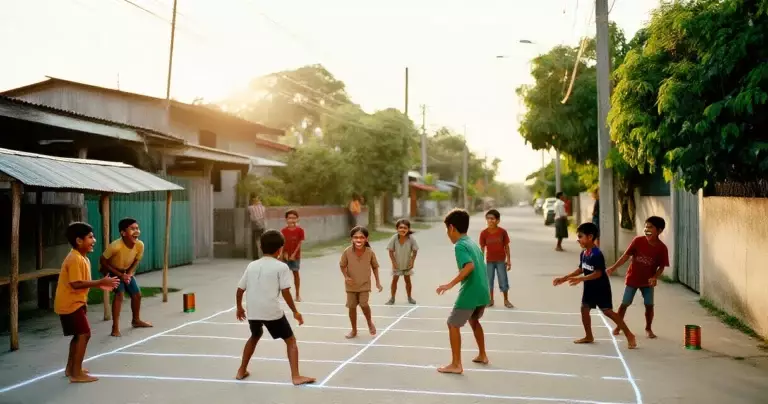
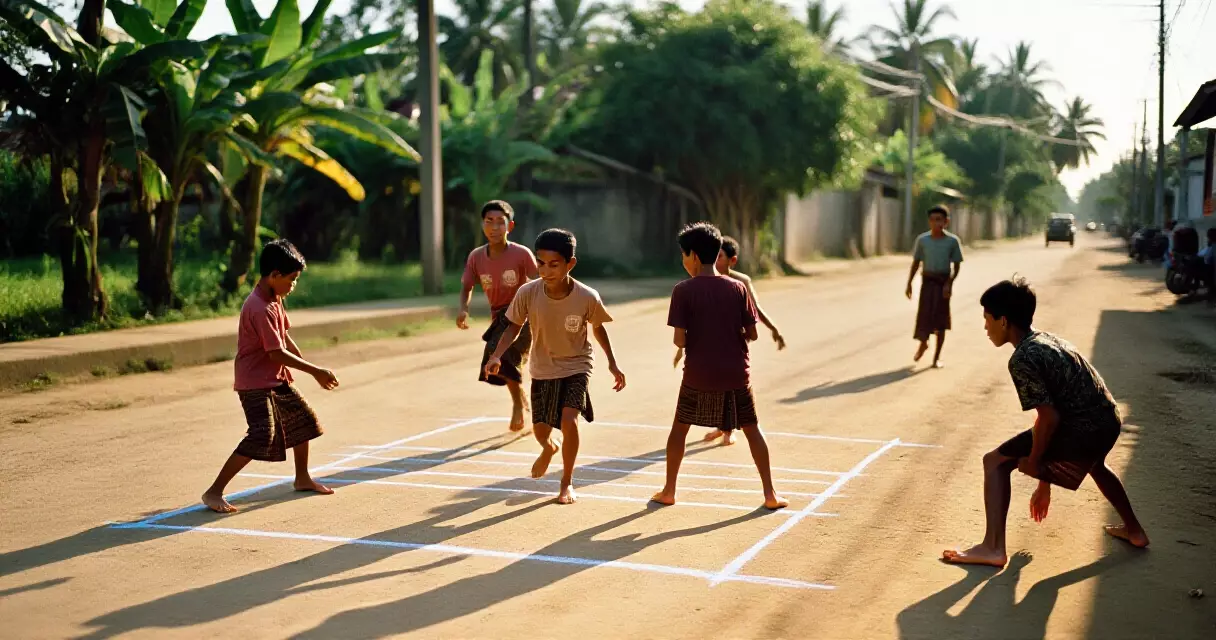
The question of why traditional games are important to our culture is not just an academic topic — it is at the heart of every Filipino's identity. Traditional Filipino games like Patintero, Tumbang Preso, Piko, Sipa, and Turumpo are more...
Table of contents
- 1 What is Laro ng Lahi and Its Origins
- 2 Why Laro ng Lahi is Important for Health and Physical Development
- 2.1 Motor Skills and Cognitive Development
- 2.2 Academic Success and Learning
- 3 Laro ng Lahi as a Promoter of Culture and Identity
- 4 How Laro ng Lahi Promotes Unity and Friendship
- 5 The Role of Laro ng Lahi in Fostering Patriotism
- 6 Main Traditional Games and Their Cultural Significance
- 7 Laro ng Lahi in the Context of Modern Gaming
- 8 Laro ng Lahi in Schools: A Learning Tool
- 9 The Indigenous Wisdom Behind Each Game
- 10 Efforts to Preserve Laro ng Lahi in the Philippines
- 11 Frequently Asked Questions About Laro ng Lahi
- 11.1 Why is Laro ng Lahi important to our culture?
- 11.2 Who promotes Laro ng Lahi in the Philippines?
- 11.3 What games are included in Laro ng Lahi?
- 11.4 How does Laro ng Lahi help in child development?
- 11.5 Is there still a place for Laro ng Lahi in modern times?
- 11.6 How can parents promote Laro ng Lahi to their children?
- 12 Key Lessons: Why We Should Embrace Laro ng Lahi
The question of why traditional games are important to our culture is not just an academic topic — it is at the heart of every Filipino’s identity. Traditional Filipino games like Patintero, Tumbang Preso, Piko, Sipa, and Turumpo are more than just entertainment: they are living artifacts of our history, keeping us rooted amid the rapid changes of the world. According to Wikipedia – Traditional games in the Philippines, Laro ng Lahi is a diverse set of games passed down from one generation to another, often using indigenous materials and instruments.
What is Laro ng Lahi and Its Origins
The term Laro ng Lahi literally means “game of the race” or national game. It was recognized and popularized by Samahang Makasining (Artist Club), Inc. (also known as “Makasining”) with the help of the National Commission for Culture and the Arts (NCCA). According to documentation from Scribd – Importance of Laro ng Lahi Games, one of the primary goals of the Makasining organization is to pass these games on to the Filipino youth. Makasining also created time-based scoring for five selected games: Patintero, Syatong, Dama, Lusalos, and Holen.
Laro ng Lahi is historically significant as a response to the realities of our society: when technology was not yet widespread, Filipino children with little access to manufactured toys created games using only their skills and materials from nature. These games reflect the Filipino spirit — creative, resilient, and seeking joy even in simple ways.
Why Laro ng Lahi is Important for Health and Physical Development
One of the most important reasons why traditional games are important to our culture is their direct contribution to the physical health of Filipino youth. According to a study published in the Philippine Journal of Social Sciences and Humanities (UPV), playing traditional games promotes motor skill transfer — meaning, the skills learned in the game can be used in other areas of a child’s life.
Specifically, games like Patintero and Sipa require locomotor exercises, body coordination, and explosive movement — actions that strengthen the heart and reduce the risk of diseases related to a sedentary lifestyle. The observed benefits of playing Laro ng Lahi according to research include strengthening heart muscles, quickly lowering heart rate after exercise, and enhancing body strength and coordination.
Motor Skills and Cognitive Development
The benefits of Laro ng Lahi are not just physical. According to researcher Prestoza et al. (2020) mentioned in PJSSH–UPV, the importance of Laro ng Lahi can be categorized into four main categories: health, culture, social aspiration, and values. Cognitive development is evident in games that require strategy like Dama and Sungka, where children need to think ahead and plan their moves.
Academic Success and Learning
Surprisingly, research has shown that Filipino youth actively playing traditional games exhibit higher levels of academic success. According to the same study from UPI E-Journal – Cakrawala Dini, teachers and students prefer to use Laro ng Lahi as an activity tool within school subjects, turning what was once a simple yard game into a method of learning.
Laro ng Lahi as a Promoter of Culture and Identity
One of the deepest answers to the question why traditional games are important to our culture is their role as a living museum of our culture. Each game has a history, a place of origin, and a way of playing that reflects the way of life of our ancestors. Kadang-kadang, for example, is a traditional racing game that uses bamboo — a clear reflection of our ancestors’ use of nature’s resources.
According to Wikipedia – Traditional games in the Philippines, these games are often featured in cultural events celebrating Filipino culture and promoting awareness of indigenous heritage. Such events provide young people with the opportunity to experience something they cannot find in any app store or gaming platform.
How Laro ng Lahi Promotes Unity and Friendship
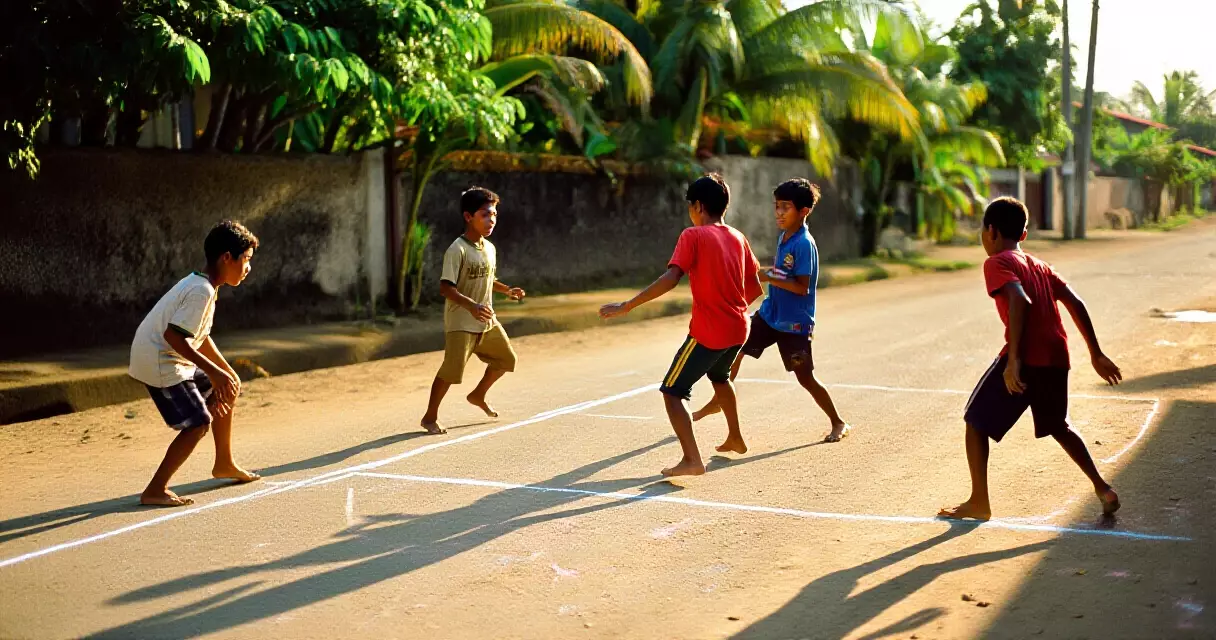
One of the best aspects of traditional Filipino games is how they build genuine connections among players. Unlike many modern games that can be played alone on a screen, Laro ng Lahi requires the presence of others — you need a playmate, an opponent, a team. This fosters true friendship and unity.
Based on research published in PJSSH–UPV, traditional Filipino games have the power to promote social processes that strengthen connectedness — the feeling of being connected to one another. For today’s Filipino youth surrounded by social media and online gaming, Laro ng Lahi offers a unique opportunity to experience genuine, face-to-face interaction.
“Laro ng Lahi is not just native games, but an important part of Filipino culture that builds bridges of friendship from one generation to another.”
The Role of Laro ng Lahi in Fostering Patriotism
One of the reasons why Laro ng Lahi is important to our culture is its ability to strengthen love for one’s country. When a child plays Tumbang Preso or Piko, they are not just playing — they are participating in a tradition with hundreds of years of history. This strengthens the sense of national identity and patriotism.
According to a study from Cotabato State University – Physical Education (Studocu), playing Laro ng Lahi promotes patriotism in Filipino culture because it is a native form of entertainment and uses indigenous materials. It is considered a cultural heritage and treasure that brings beautiful memories and experiences.
Main Traditional Games and Their Cultural Significance
| Game Name | Type | Main Benefits | Cultural Significance |
|---|---|---|---|
| Patintero | Team / Outdoor | Physical endurance, strategy, cooperation | Promotes teamwork |
| Tumbang Preso | Team / Outdoor | Agility, accuracy, speed | Reflects the history of free street play |
| Piko | Individual / Outdoor | Balance, coordination, concentration | Reflects the simple joy of Filipino children |
| Sipa | Individual / Outdoor | Foot-eye coordination, flexibility | Considered the national game of the Philippines |
| Turumpo | Individual / Outdoor | Fine motor skills, patience | Showcases the skill of Filipino craftsmen |
| Dama | Two / Indoor | Strategic thinking, concentration | Promotes intelligence and deep thinking |
| Sungka | Two / Indoor | Mathematical reasoning, patience | One of the oldest Filipino games, part of Visayas culture |
| Kadang-kadang | Team / Outdoor | Balance, leg strength, teamwork | Shows the use of bamboo in Filipino culture |
Laro ng Lahi in the Context of Modern Gaming
In today’s era dominated by mobile and online games, many wonder if there is still a place for Laro ng Lahi in the lives of Filipino youth. The answer is yes — and it is more important now than ever. As the digital divide grows between those with access to technology and those without, Laro ng Lahi remains equal: free, accessible to all, and does not require an internet connection.
Even in the world of esports, the influence of traditional games can be seen. The skills learned in Patintero — quick thinking, spatial awareness, team cooperation — are the same skills needed in competitive games like Mobile Legends. If you’re interested in learning more about the current state of mobile gaming in the Philippines, you can read our article on the Top 5 Most Downloaded Mobile Games in the Philippines (2026).
Laro ng Lahi in Schools: A Learning Tool
One of the most promising developments in the use of Laro ng Lahi is its integration into formal education. According to research published in UPI E-Journal – Cakrawala Dini (2021), traditional Filipino games reflect the lifestyle of a local community and form an important part of national heritage. Because of this, schools are increasingly showing that Laro ng Lahi can be used as an activity tool within school subjects.
| Aspect of Learning | Suitable Laro ng Lahi | Lessons That Can Be Taught |
|---|---|---|
| Mathematics | Sungka, Dama | Counting, strategy, pattern recognition |
| Arts and Culture | All games | History, identity, tradition |
| Physical Education | Patintero, Sipa, Piko | Coordination, health, team play |
| Social Studies | Team games | Cooperation, leadership, listening |
| Filipino Language | All games | Vocabulary, traditional calls, folklore |
The Indigenous Wisdom Behind Each Game
Each game in Laro ng Lahi comes with local wisdom — a type of implicit knowledge passed on through the act of playing itself. When playing Turumpo, for example, a child learns not only fine motor skills but also patience, perseverance, and even the concept of physics by understanding how the spinning top moves. This is what researchers call local wisdom.
According to UPI E-Journal – Cakrawala Dini, traditional Filipino games promote local wisdom and explore the culture of the local community. Such wisdom cannot be found in any book — it lives only when shared from one generation to another through actual play.
“The local wisdom of Laro ng Lahi cannot be found in any book — it lives in every game, in every laughter, and in every giggle among children in our streets.”
Efforts to Preserve Laro ng Lahi in the Philippines
It is not only individuals who promote Laro ng Lahi — there are also official organizations and institutions striving to preserve these games. The National Commission for Culture and the Arts (NCCA) is active in supporting programs and events that promote traditional games as part of the national cultural heritage.
In the field of Filipino gaming and esports, the appreciation of our cultural roots can also be seen in other parts of the Philippine gaming scene. If you want to discover events in the local gaming community, read about the Highlights of Good Game Con 2026, which showcased the importance of Filipino culture in modern gaming events.
Frequently Asked Questions About Laro ng Lahi
Why is Laro ng Lahi important to our culture?
Laro ng Lahi is important to our culture because it is a living artifact of our history and identity as Filipinos. It promotes physical health, fosters patriotism, strengthens unity among children, and preserves local wisdom and culture that cannot be found in modern toys or digital games.
Who promotes Laro ng Lahi in the Philippines?
The Samahang Makasining (Artist Club), Inc. is the primary promoter of Laro ng Lahi, with support from the National Commission for Culture and the Arts (NCCA). Many local governments, schools, and organizations also launch Laro ng Lahi Events in various parts of the country to promote and preserve traditional games.
What games are included in Laro ng Lahi?
The main games of Laro ng Lahi include Patintero, Tumbang Preso, Piko, Sipa, Turumpo, Holen, Syatong, Dama, Lusalos, Sungka, and Kadang-kadang. Each game has unique mechanics and origins representing different aspects of Filipino culture from various regions of the country.
How does Laro ng Lahi help in child development?
According to research by Prestoza et al. (2020) published in the Philippine Journal of Social Sciences and Humanities, Laro ng Lahi promotes child development in four main categories: health (physical ability, motor skills), culture (identity, patriotism), social aspiration (friendship, cooperation), and values (discipline, respect, perseverance).
Is there still a place for Laro ng Lahi in modern times?
Yes, there is still a place for Laro ng Lahi in modern times. In fact, it is more important now because it provides an offline, free, and equal way of playing that does not require an internet connection or expensive equipment. Additionally, research has proven that the skills learned in Laro ng Lahi also serve as a foundation for success in modern competitive gaming.
How can parents promote Laro ng Lahi to their children?
Parents can teach Laro ng Lahi to their children by playing these games together in the yard or park. Bringing children to Laro ng Lahi Events conducted by local governments and organizations can also help. The most effective way is for parents to share their experiences of playing Laro ng Lahi when they were young, so the next generation can feel an emotional connection to these games.
Key Lessons: Why We Should Embrace Laro ng Lahi
The question of why traditional games are important to our culture has deep and numerous answers. It is important for our health, for our identity as Filipinos, for our unity as a nation, and for preserving a rich cultural heritage with hundreds of years of history.
- Laro ng Lahi promotes the physical health and motor skills of the youth.
- It enhances cognitive development and improves academic performance.
- It is a living artifact of cultural identity and patriotism of Filipinos.
- It provides an equal way of playing that is free and accessible to all.
- It fosters true friendship and connectedness among players.
- It can be used as an effective learning tool within schools.
- It preserves local wisdom and traditions not found on any digital platform.
In the end, valuing Laro ng Lahi is a recognition of our cultural heritage…