Summary
For every Filipino gamer, the word laro is not just a word — it is the heart of our gaming culture. If you want to know what 'laro' means in English or its equivalent in the English language, the simple...
Table of contents
- 1 Game English: The Official Meaning and Translation
- 2 History of the Word ‘Laro’ in Filipino Culture
- 3 How Filipino Gamers Use the Word ‘Laro’ in English
- 4 Game English in the Context of Traditional Toys
- 5 Game English in Modern Digital Gaming
- 5.1 Mobile Games (Laro sa Mobile)
- 5.2 PC Games (Laro sa PC)
- 5.3 Online and Browser Games (Laro Online)
- 6 Other Equivalents of ‘Laro’ in English: Nuances to Know
- 7 Game English in the Context of Esports and Competition
- 8 Differences Between Laro, Paglalaro, and Maglaro
- 9 Frequently Asked Questions (FAQ) About Game English
- 9.1 What does ‘laro’ mean in English?
- 9.2 How is “laro” used in gaming?
- 9.3 What is the difference between “laro” and “sugal”?
- 9.4 What is “Laro ng Lahi” in English?
- 9.5 Is “laro” used in official Filipino documents?
- 9.6 Why is understanding ‘game English’ important for Filipino gamers?
- 10 Conclusion: Game English and the Future of Filipino Gaming
- 11 References
For every Filipino gamer, the word laro is not just a word — it is the heart of our gaming culture. If you want to know what ‘laro’ means in English or its equivalent in the English language, the simple answer is: laro means “game” or “play” in English. However, its meaning goes beyond literal translation — it is a word full of culture, history, and identity for Filipinos. In this article, we will discuss everything you need to know about ‘laro’ in English and how it is used by Filipinos in the gaming world today.
Game English: The Official Meaning and Translation
According to the WordHippo Filipino Dictionary, the word “laro” in Tagalog and Filipino has the following equivalents in English:
- Game — the most common translation, from children’s toys to digital games
- Play — the act or action of playing
- Playing — the current occurrence of playing
- Sport — in some contexts, especially when referring to physical games or sports
In Filipino grammar, “laro” is a noun that can be turned into a verb through prefixes and suffixes. For example, “maglaro” means “to play,” while “paglalaro” refers to “the act of playing.” These are words often heard in every Filipino household, from children playing in the streets to gamers sitting in front of their PCs.
History of the Word ‘Laro’ in Filipino Culture
The word “laro” has deep roots in the culture and history of the Philippines. Even before the Spaniards arrived in 1565, native Filipinos already had their own games like sipa, patintero, and piko. These early games served as a means of community interaction, physical strengthening, and cultural transmission from one generation to the next. According to research published on Academia.edu, Filipino gamers continue to give new meanings to English words while maintaining “laro” as the foundation of their gaming vocabulary. Over time, Filipinos have expanded the meaning of “laro” to include all forms of playing, from traditional street games to the latest mobile and online games in 2026.
How Filipino Gamers Use the Word ‘Laro’ in English
In the gaming world, Filipinos are known for their unique way of blending Filipino and English. This is called “Taglish” — a mix of Tagalog and English used daily in chat, voice calls, and social media. The “laro” remains the Filipino anchor of all this. For example, you might hear expressions like:
- “Mag-laro tayo ng Mobile Legends” — Let’s play Mobile Legends
- “Anong laro ang gusto mo?” — What game do you want (to play)?
- “Laro muna tayo” — Let’s play first
- “Grabe yung laro niya” — His/her gameplay was amazing
- “Ang laro ay bukas na” — The game is now open/live
These expressions show how naturally Filipinos combine the two languages in the context of gaming. Even international games like Mobile Legends: Bang Bang, Genshin Impact, and League of Legends use “laro” in their Filipino interface and marketing materials because it is the most natural word for players in the country.
“The ‘laro’ is more than just a word — it is the essence of being Filipino in the gaming world.”
Game English in the Context of Traditional Toys
When discussing ‘game English’ in the context of traditional toys, many well-known Filipino games have English equivalents. Here is a comprehensive table of the most popular traditional games in the Philippines and their English names:
| Filipino (Laro) | English | Description |
|---|---|---|
| Taguan | Hide-and-Seek | Players hide while one seeks |
| Patintero | Patintero (Grid Tag) | Group game on lines drawn on the ground |
| Sipa | Kick Toy / Hacky Sack | Keeping a small toy afloat using the foot |
| Piko | Hopscotch | Jumping on boxes drawn on the ground |
| Luksong Tinik | Jump Over Thorns | Jumping over the hands and feet of playmates |
| Agawan Base | Base Tag / Capture the Base | Two teams attempt to capture each other’s base |
| Tumbang Preso | Knock the Can | Knocking down a can with a slipper |
| Habulan | Tag | One chases others to tag them |
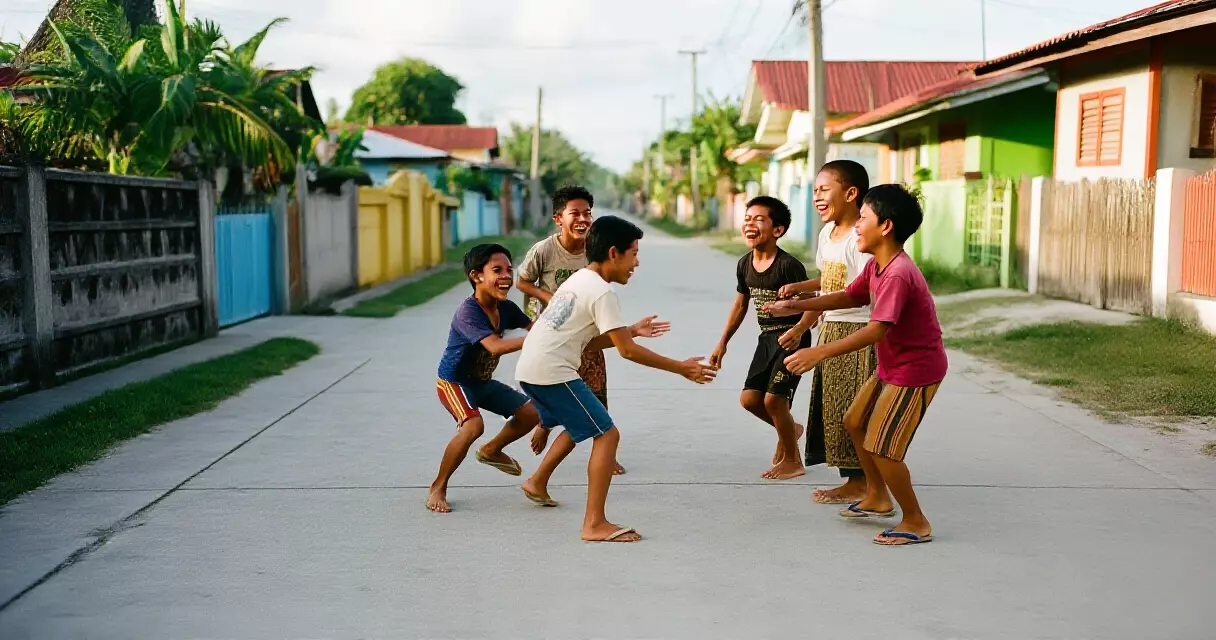
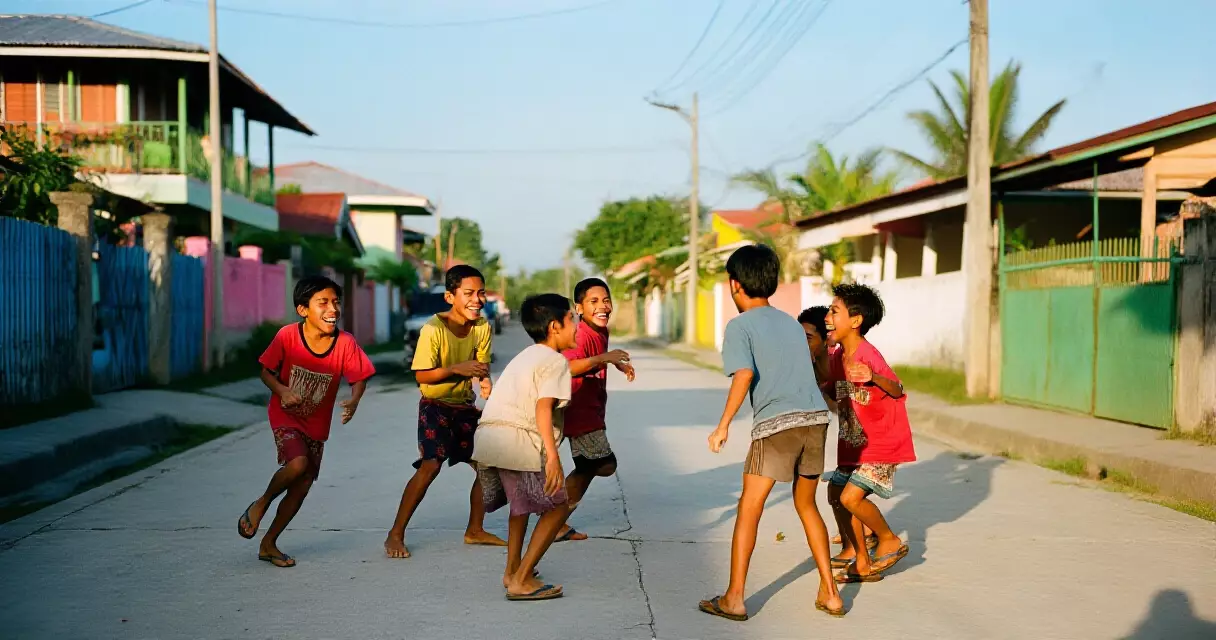
These games are part of what is called Laro ng Lahi, which literally means “Games of the Race” or “Games of the Nation” in English. These are the games most Filipinos grew up with, and they are still taught in schools as part of physical education. If you are interested in the history of these games, you can learn more in our Top 5 Most Downloaded Mobile Games in the Philippines to see how Filipinos’ favorite games have transitioned from traditional to digital.
Game English in Modern Digital Gaming
In 2026, the meaning of ‘game English’ has expanded to encompass the entire world of digital gaming. When a Filipino gamer says “let’s play,” they might be referring to various platforms and genres:
Mobile Games (Laro sa Mobile)
Mobile games are the most popular type of game in the Philippines today. Titles like Mobile Legends: Bang Bang, PUBG Mobile, Free Fire, and Genshin Impact have millions of players across the country. In Filipino gaming lingo, these are often called “mobile laro” or simply “laro sa cellphone.”
PC Games (Laro sa PC)
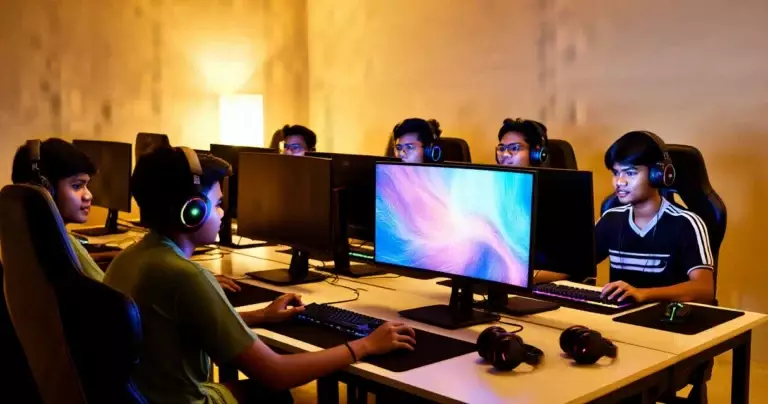
For more serious gamers, PC games like Valorant, Dota 2, and League of Legends are popular among Filipino esports enthusiasts. In the context of esports in the Philippines, the word “laro” is also used to describe gameplay, strategy, and player performance. For example, “magaling ang laro niya” means “he/she is an excellent player” or “his gameplay is excellent.”
Online and Browser Games (Laro Online)
Online games provide free entertainment for millions of Filipinos. From simple browser games to large multiplayer online games, “laro” remains the appropriate word for all of these. Filipino gamers are also active in esports tournaments — you can find the latest news in our report on Philippine Teams in the Esports World Cup 2026.
Other Equivalents of ‘Laro’ in English: Nuances to Know
Not all “laro” is simply “game” in English. Depending on the context, the exact translation may vary. Here is a table of nuances:
| Filipino Phrase | English Equivalent | Context |
|---|---|---|
| Laro ng bata | Children’s game / Child’s play | Children’s toys, can mean “easy” in idiom |
| Larong de-kalye | Street game / Street play | Games played outside the house |
| Laro ng palad | Trick / Sleight of hand | Added meaning of “deceit” or “tease” |
| Isang laro lamang | Just a game / It’s only a game | Used to reduce tension or seriousness |
| Paboritong laro | Favorite game | The game that is most liked |
| Larong pangkomunidad | Community game | Game for many people in one place |
| Laro ng puso | Game of the heart / Playing with feelings | Metaphor for romantic situation |
These nuances show how deep the meaning of the word “laro” is in Filipino. In the gaming world, understanding these is crucial to better understanding the context of each conversation, especially when talking to different types of players.
“In every ‘laro,’ there is culture, unity, and identity of Filipinos — whether it be a traditional hide-and-seek or a modern Mobile Legends match.”
Game English in the Context of Esports and Competition
In the world of esports, the word “laro” holds a special place. When esports commentators and casters in the Philippines speak, they often use a combination of “laro” and English terms to explain what is happening in the game. Filipino esports teams like AP Bren, Team Liquid PH, and many others succeed on the international stage, and their “laro” is talked about across the country. For the latest news on esports rosters and lineups, check out our article on Team Liquid PH Roster for MPL Philippines Season 17.
In esports commentary, phrases like:
- “Napakagaling ng laro niya ngayon” (His/her gameplay today is excellent)
- “Maingat na laro” (Careful/calculated play)
- “Aggressive na laro” (Aggressive gameplay)
- “Linaro niya ang kalaban” (He/she played around the opponent)
Differences Between Laro, Paglalaro, and Maglaro
For those learning Filipino or looking for the correct translation, understanding the differences between the forms of the word “laro” and how they relate to English is important:
- Laro (noun) — the “game” or “play” itself; example: “Ito ang laro” (This is the game)
- Maglaro (verb, infinitive) — “to play”; example: “Gusto kong maglaro” (I want to play)
- Naglalaro (verb, present) — “is/are playing”; example: “Naglalaro siya” (He/she is playing)
- Nilaro (verb, past passive) — “was played”; example: “Nilaro niya ang laro” (He/she played the game)
- Paglalaro (noun, gerund) — “playing”; example: “Masaya ang paglalaro” (Playing is fun)
- Laruan — “toy” or “something to play with”; example: “Ang laruan” (The toy)
Understanding these forms is crucial for Filipinos working in the gaming industry, especially for localizers and translators converting English content into Filipino. Whether it’s for a mobile game, a guide, or an esports commentary script, the correct use of the forms of “laro” demonstrates professionalism and understanding of the Filipino language. Filipino gamers who want to improve their knowledge of the MLBB Meta 2026 will benefit from understanding gaming terms in both Filipino and English.
Frequently Asked Questions (FAQ) About Game English
What does ‘laro’ mean in English?
The “laro” in English is “game” or “play.” This is the most common translation of this word in Filipino and Tagalog. Depending on the context, it can also mean “sport,” “playing,” or even “trick” in some situations.
How is “laro” used in gaming?
In modern gaming, “laro” is used for all types of games — from mobile games to PC and console games. It can be used as a noun (“ang laro”) or a verb (“maglaro,” “naglalaro”). In esports commentary, “laro” is also often used to describe a player’s gameplay or style of play.
What is the difference between “laro” and “sugal”?
“Laro” is a general term for games or playing, while “sugal” specifically refers to “gambling” or betting money. In some regional dialects, “laro” might be used for betting, but in common usage, these two words are distinct. In a gaming context, “laro” is always the correct word, not “sugal.”
What is “Laro ng Lahi” in English?
“Laro ng Lahi” literally means “Games of the Race” or “Games of the Nation” in English. It is the name of a collection of traditional Filipino games like patintero, sipa, and tumbang preso, promoted by DepEd as part of Filipino culture and physical education in schools.
Is “laro” used in official Filipino documents?
Yes. The Komisyon sa Wikang Filipino (KWF), the authority on the Filipino language, uses “laro” as the official term for “game” in all official Filipino documents, curriculum, and public communication. It is also the term used by DepEd in educational materials.
Why is understanding ‘game English’ important for Filipino gamers?
Understanding the equivalent of “laro” in English is important for Filipino gamers who read international game guides, watch English gaming content, or communicate with players from other countries. It also helps those who want to become game translators, localizers, or content creators for the Filipino gaming community.
Conclusion: Game English and the Future of Filipino Gaming
The “laro” in English is “game” — a simple fact with deep meaning for every Filipino. In 2026, as the Philippine gaming industry continues to grow and Filipino esports teams aspire on the international stage, the word “laro” remains the shared vocabulary of every player in the country. It is not just a word — it is the identity of Filipinos as a nation with a deep love for gaming, from children playing patintero in the streets to professional players representing the Philippines in the world. Join us at Laro Hub for more guides, news, and tips on all aspects of gaming in the Philippines.
References
- WordHippo: How to say “game” in Filipino — retrieved on July 9, 2026
- Academia.edu: A Diverse Application of Language: Filipino Gamers — retrieved on July 9, 2026