Summary
In the Filipino language, the word laro is one of the most familiar words in our daily lives — from children playing on the streets to young people competing in esports. But what really is a game? This question —...
Table of contents
- 1 The Meaning of Laro in the Filipino Language
- 2 History of Games in the Philippines: From Indigenous Heritage to the Digital Age
- 3 What is Laro ng Lahi? The Most Famous Traditional Games
- 3.1 The Most Popular Laro ng Lahi
- 3.2 Benefits of Traditional Games Based on Research
- 4 The Difference Between Laro, Palaro, and Laruan
- 5 Why Games are Important in Filipino Culture
- 6 The Modern Meaning of Games: Digital Games and Esports in the Philippines
- 7 Comparing Traditional Games and Modern Digital Games
- 8 How Games Become Part of School and Education
- 9 The Future of Games in the Philippines: Tradition and Technology Together
- 10 Frequently Asked Questions About Games
- 10.1 What is the difference between a game and a toy?
- 10.2 Why are traditional Filipino toys called “laro ng lahi”?
- 10.3 Which traditional games are most famous in the Philippines?
- 10.4 Are traditional games still important today?
- 10.5 How is modern gaming connected to the concept of “laro”?
- 10.6 Where can official information about traditional Filipino toys be found?
In the Filipino language, the word laro is one of the most familiar words in our daily lives — from children playing on the streets to young people competing in esports. But what really is a game? This question — What is a laro? — is deeper than a simple translation of the word. The concept of games in the Philippines encompasses thousands of years of culture, community traditions, and now, a growing digital gaming industry. According to the National Museum of the Philippines, traditional games are part of our intangible cultural heritage that showcases the identity and knowledge of Filipinos across generations.
The Meaning of Laro in the Filipino Language
The word “laro” originates from the Tagalog root referring to the act of playing or participating in an activity for enjoyment, competition, or skill development. Grammatically, “laro” can be used as a noun (“let’s play a game”) or as a verb root (“let’s play”). The related word palaro is closer to the meaning of “games” as organized competitions, such as those held during fiestas or special occasions. This distinction is important: a game always begins with voluntary participation and enjoyment, not force or obligation.
In the daily use of Filipinos, when “laro” is mentioned, it can refer to almost any type of activity — from simple hide-and-seek in the yard to a complex strategy game on the PC. The broad meaning of this word explains why the concept of games remains central to Filipino culture despite changes in technology and times.
History of Games in the Philippines: From Indigenous Heritage to the Digital Age
Before the Spaniards arrived in the Philippines in the 16th century, Filipinos already had their own games derived from their lifestyle as hunters, farmers, and fishermen. Traditional Filipino games like sipa and sungka have been preserved through oral tradition and learning from elders. During colonial times, many games were influenced by foreign cultures, but our native games remain unique due to their use of local materials and expression of Filipino values. In the ’90s, the DepEd began programs to reintroduce traditional games in schools as part of physical education, a step that proves the state’s continued appreciation for traditional games.
What is Laro ng Lahi? The Most Famous Traditional Games
The term laro ng lahi literally means “game of the race” or “game of the nation” — a specific category of toys originating from Filipino indigenous culture and passed down from one generation to the next. According to the National Museum of the Philippines, these toys are part of our ethnological collection and serve as a reflection of the lifestyle, values, and creativity of Filipinos over many centuries.
The Most Popular Laro ng Lahi
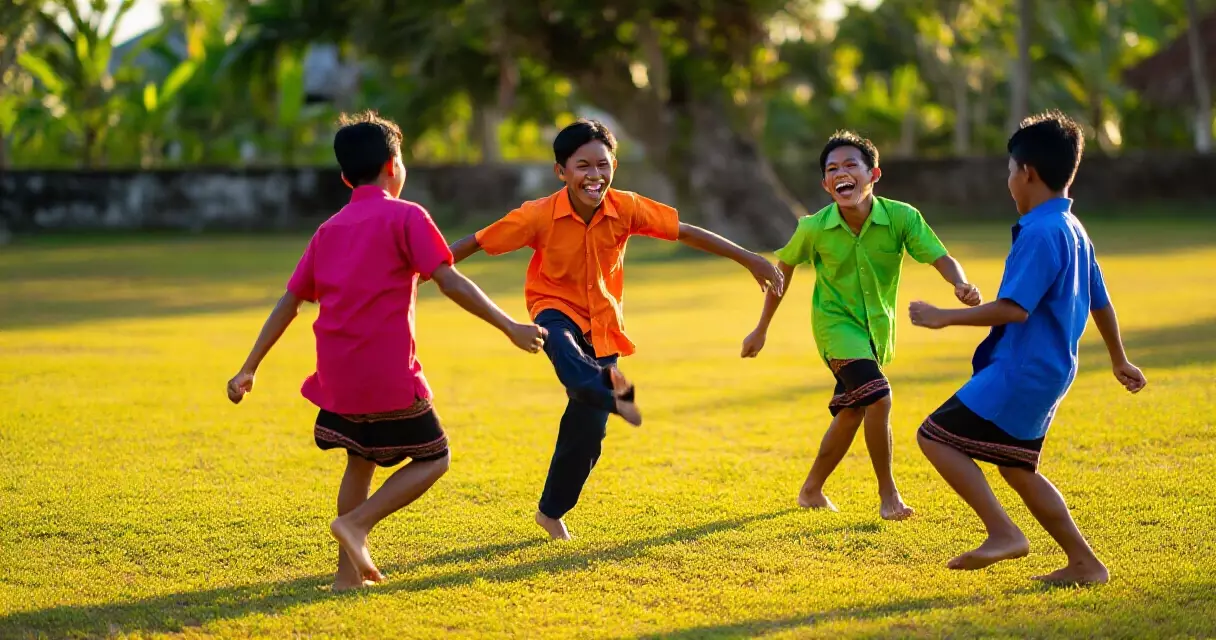
- Tumbang Preso — a game where players attempt to knock down a can using a slipper, while the “it” defends and tries to catch the players.
- Patintero — a team game where one group tries to cross lines while being blocked by the opposing team.
- Luksong Baka and Luksong Tinik — jumping games that promote coordination and body strength.
- Piko — the Filipino version of hopscotch, played on the ground using chalk or stone.
- Sipa — a kicking game using a small shuttlecock made of feathers and a washer; recognized by the National Museum as one of the most famous Filipino toys.
- Holen (Marbles) — a game of aiming marbles made of glass or stone.
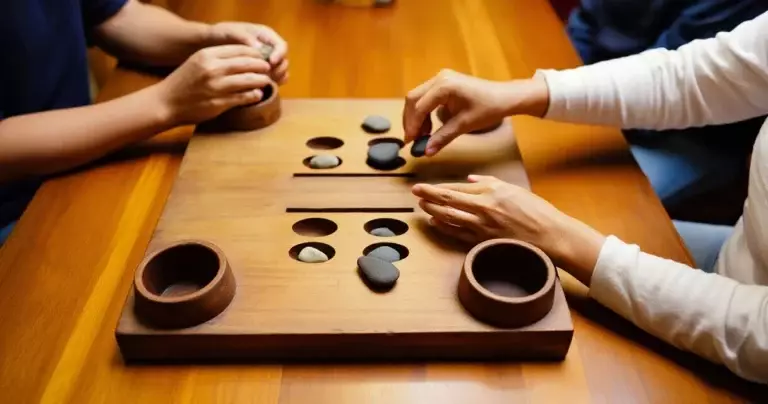
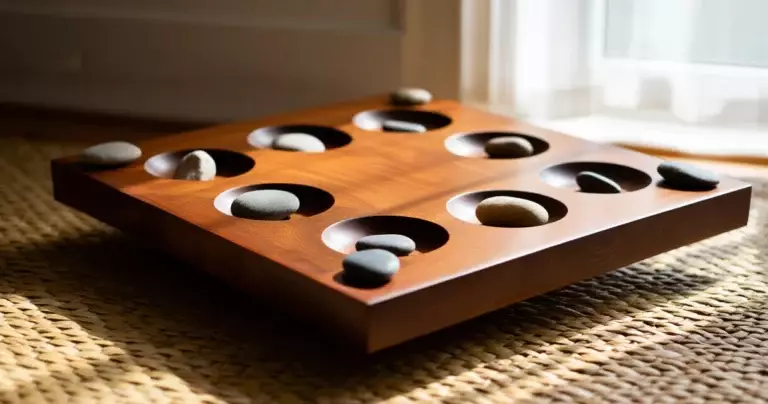
- Sungka — a traditional board game using a wooden board and stones or shells; included in the National Museum’s collection.
- Tagu-taguan — the Filipino version of hide-and-seek, one of the most universal children’s games.
Benefits of Traditional Games Based on Research
The research by the University of the Philippines Visayas published in the Philippine Journal of Social Sciences and Humanities showed comprehensive evidence of the benefits of traditional games. In a study involving 130 participants, it was found that traditional games provide significant help in three major areas of human development: physical, cognitive, and socio-emotional. Furthermore, the research also found that these games have “larger-than-game life skill applications” — meaning the lessons and skills learned in the game also apply to real life.
The Difference Between Laro, Palaro, and Laruan
To better understand What is a laro, it is also important to know the difference between some related terms in Filipino. These three words — laro, palaro, and laruan — are often used interchangeably, but each has its specific meaning.
| Term | Meaning | Example |
|---|---|---|
| Laro | The general act of playing; the activity itself | “Let’s play a game outside.” |
| Palaro | Organized competition or formal games; often used for events | Palarong Pambansa, barangay palaro |
| Laruan | The object or equipment used in playing; the toy or game item | Slippers in tumbang preso, marbles, sungka board |
| Laro ng Lahi | Native Filipino games passed down from previous generations | Patintero, sipa, hide-and-seek |
Why Games are Important in Filipino Culture
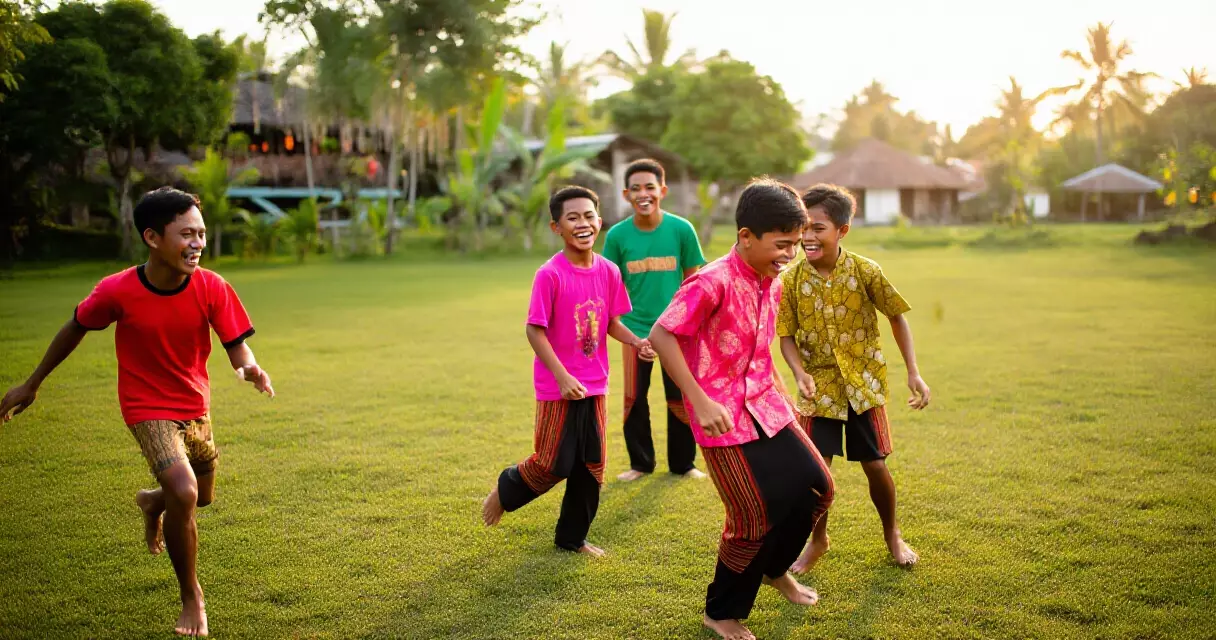
Games in the Philippines are not just a form of entertainment — they are an essential part of community building and cultural preservation. For centuries, games have served as a way to bring members of a barangay or family closer, especially during occasions like fiestas, holidays, and other gatherings. The National Museum of the Philippines documents these toys as part of our intangible cultural heritage, proving that games are a form of cultural expression — like music, dance, and art.
According to findings from UP Visayas research, Filipinos who grew up with traditional games possess higher levels of unity and cooperation. Games like patintero and tumbang preso naturally promote teamwork, communication, and decision-making under pressure — skills that are beneficial not only in play but also in professional life. This is why traditional games remain relevant even in the age of smartphones and online gaming.
“Games are not just entertainment — they are the language of our culture, a way of expressing Filipino identity without words.”
The Modern Meaning of Games: Digital Games and Esports in the Philippines
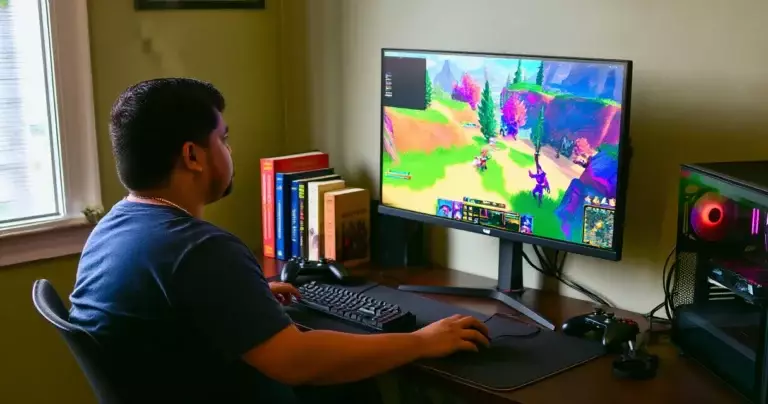
Today, the meaning of games is no longer limited to traditional native games. For most Filipinos now — especially the youth — the word game is synonymous with mobile gaming, online gaming, and esports. The Philippines is recognized as one of the most active gaming markets in Asia; based on available industry data, the country has millions of active players engaging on various platforms from budget phones to high-end PC setups. Games like Mobile Legends: Bang Bang, Valorant, PUBG Mobile, and Roblox are part of the daily lives of many Filipinos — providing both enjoyment and community in the digital world.
The growth of esports in the Philippines is proof that games — in any form — remain strong in our culture. If you want to learn more about recent developments in the local esports scene, you can read Road to Riyadh: Philippine Teams Qualifying for the Esports World Cup 2026.
Comparing Traditional Games and Modern Digital Games
The two worlds of games in the Philippines — the traditional and the digital — are often seen as opposites, but in fact, they share many similarities. Both promote competition, cooperation, and enjoyment. The main difference lies in the mode of participation and the type of skills required. Here is a brief comparison:
| Aspect | Traditional Games (Laro ng Lahi) | Modern Digital Games |
|---|---|---|
| Platform | Physical space — yard, street, park | Mobile phone, PC, console |
| Equipment | Slippers, stones, cans, rope, wood | Smartphone, controller, mouse and keyboard |
| Participation | Face-to-face, personal interaction | Online or local multiplayer |
| Examples | Patintero, tumbang preso, sungka, sipa | Mobile Legends, Valorant, PUBG Mobile, Roblox |
| Originating Culture | Native Filipino, pre-colonial and colonial times | Global gaming culture, adapted by Filipinos |
| Main Benefits | Physical activity, face-to-face cooperation | Digital literacy, strategic thinking, online community |
How Games Become Part of School and Education
The Department of Education (DepEd) recognizes the value of games as an educational tool. Traditional games are part of the Physical Education curriculum in public schools in the Philippines, aiming to preserve traditional games while teaching lessons about the country’s history and culture. In this way, What is a laro becomes a pedagogical question — games are not just entertainment in school, but a means of learning.
Moreover, research like that conducted by UP Visayas shows that young people who grew up playing traditional games have a stronger socio-emotional foundation. This is an important and long-term argument for maintaining traditional games within the education system — not just as physical activity, but as a way of developing the whole person. For players interested in the competitive aspect of games, you can also check out MLBB Meta 2026: Why Hero Win Rates are Changing.
“The laro ng lahi is more than entertainment — it is a classroom without walls, where children learn cooperation, resilience, and appreciation for their country’s culture.”
The Future of Games in the Philippines: Tradition and Technology Together
In July 2026, the gaming landscape of the Philippines continues to grow — new mobile games keep emerging, esports tournaments are becoming bigger and more professional, and Filipino esports teams are competing globally. Alongside this, there is a growing movement to preserve and expand traditional games. Many local organizations and governments are working to preserve this intangible cultural heritage for the next generation. Gaming conventions like Good Game Con also feature sections for traditional games, showcasing the gaming community’s appreciation for our roots. If you want to learn about such events, you can look at Good Game Con 2026 Highlights.
Frequently Asked Questions About Games
What is the difference between a game and a toy?
The game refers to the activity of playing itself — the task, the process, the participation. The toy refers to the object or equipment used in playing — the toy or game item. For example, sipa is a game, while the shuttlecock itself is the toy. In the modern context, a video game title like Valorant can be called a toy, while playing it is the game.
Why are traditional Filipino toys called “laro ng lahi”?
The term “laro ng lahi” literally means “game of the race” or “game of the nation.” They are called this to emphasize that these toys are not just entertainment — they are part of the collective identity of Filipinos. The word “lahi” refers to race or tribe, so “laro ng lahi” implies native Filipino toys that originate from our own culture.
Which traditional games are most famous in the Philippines?
Based on documentation by the National Museum of the Philippines and various academic research, the most famous traditional games in the Philippines are tumbang preso, patintero, sipa, piko, luksong baka, luksong tinik, marbles, sungka, hide-and-seek, and Chinese garter. Each of these toys has its regional version and name in different parts of the archipelago.
Are traditional games still important today?
Yes, traditional games remain important even in the age of digital gaming. According to research by UP Visayas, traditional games provide physical, cognitive, and socio-emotional development benefits that are not easily obtained from digital games. Moreover, these toys are part of our cultural heritage that should be preserved and passed on to the next generation.
How is modern gaming connected to the concept of “laro”?
In the Filipino language, the word “laro” is used for all types of games — from traditional native games to the latest mobile and PC games. Therefore, when a Filipino says “laro,” it can refer to any type of play. The experience of playing — the competition, the enjoyment, the camaraderie with friends — remains the same even as the method and platform change.
Where can official information about traditional Filipino toys be found?
The best primary sources of information about traditional Filipino toys are the National Museum of the Philippines and academic journals like the Philippine Journal of Social Sciences and Humanities of the University of the Philippines. For discussions on education and games, the website of the Department of Education (DepEd) is also a valuable resource.