Summary
Sungka is one of the oldest native games of Filipinos — a strategy and counting game played by two people on a carved wooden board called a sungkahan. If you want to learn how to play sungka, the basic rules,...
Table of contents
- 1 What is Sungka: A Brief History of This Game
- 2 The Setup of the Sungkahan: How to Prepare the Board
- 3 How to Play Sungka: Basic Rules Step-by-Step
- 3.1 Step 1: Choosing the Start
- 3.2 Step 2: Spreading the Seeds
- 3.3 Step 3: Special Rules
- 4 Sungka Rules: When the Game Ends
- 5 Rules Table: Quick Reference for Beginners
- 6 Simple Strategies to Win in Sungka
- 6.1 Strategy 1: Maximize Extra Turns
- 6.2 Strategy 2: Control the Capture
- 6.3 Strategy 3: Don’t Let Your Side Run Out
- 7 Different Variants of Sungka in the Philippines
- 8 Sungka as an Educational and Cultural Game
- 9 Frequently Asked Questions About Sungka
- 9.1 How many players are needed for sungka?
- 9.2 How many seeds are used in sungka?
- 9.3 How do you determine the winner?
- 9.4 Can you skip the opponent’s ulo?
- 9.5 What does “ulo” mean in sungka?
- 9.6 Can sungka be used as a teaching tool for children?
- 10 References
Sungka is one of the oldest native games of Filipinos — a strategy and counting game played by two people on a carved wooden board called a sungkahan. If you want to learn how to play sungka, the basic rules, and a simple winning primer, here is the complete guide: from board setup to tactics that help you win. According to the Neue Research Center (2025), sungka is considered an important cultural heritage that proves the intelligence and culture of Filipinos over centuries.
What is Sungka: A Brief History of This Game
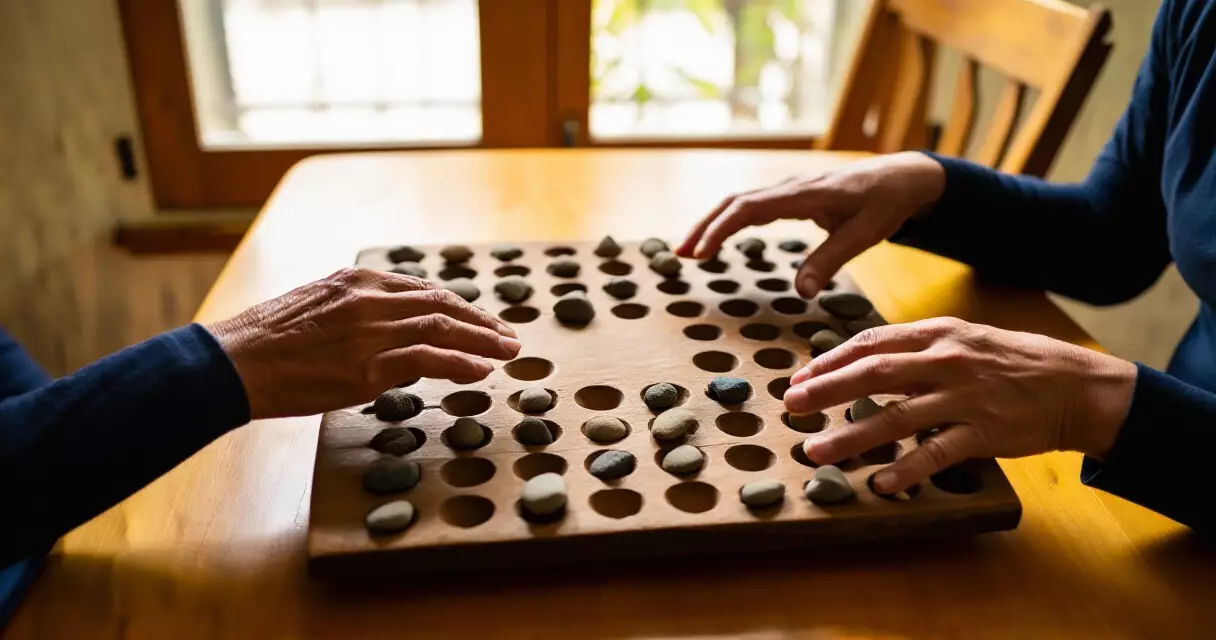
Sungka belongs to the family of games internationally known as mancala — a type of board game that uses the concept of counting and distributing pieces. In the Philippines, stones, seeds, shells, or even bottle caps were used as pieces, making it easy to play even for simple families. According to Twinkl Philippines, sungka is a traditional Filipino game that commonly uses small stones or shells as pieces and is primarily played at family and community gatherings. Based on the same reference, the sungkahan is usually made of wood and carved with careful precision to ensure equal-sized houses.
For decades, sungka has been a favorite game at festivals, fiestas, and family gatherings. According to a report by the Manila Bulletin (2020), sungka and other native games are continuously being promoted by cultural officials in the Philippines as part of heritage preservation efforts.
The Setup of the Sungkahan: How to Prepare the Board
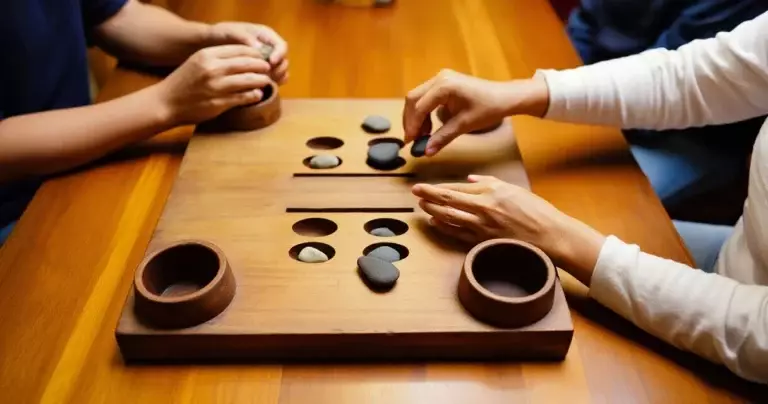
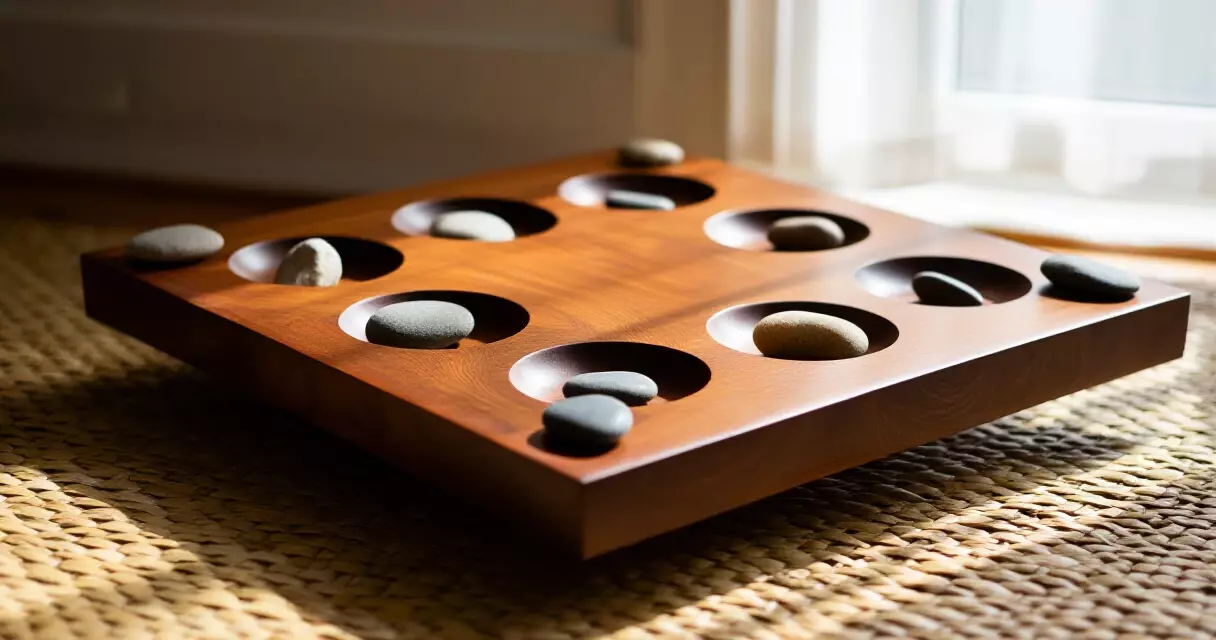
Before starting, it is important to understand the structure of the sungkahan. According to a detailed description by Pilipinas Bigwas, the sungkahan is a board with seven pairs of small pits called bahay and two larger pits at both ends called ulo.
- Bahay — the seven small holes on each side of the board, controlled by each player
- Ulo — the two large holes at both ends; these are the storage for collected seeds and also serve as the score basis
- Pieces — seeds, stones, shells, or even bottle caps; usually totaling 98 pieces at the start of the game
To prepare the game, place seven pieces in each of the 14 houses. The two ulo remain empty at the start. Each player owns seven houses on their side and the ulo to their right.
How to Play Sungka: Basic Rules Step-by-Step
Here are the main rules of sungka recognized by references such as Brainly PH and Pilipinas Bigwas:
Step 1: Choosing the Start
Decide who will play first — usually decided by a coin toss or rock-paper-scissors. The player who starts chooses a house on their side.
Step 2: Spreading the Seeds
Take all the seeds from the chosen house and place them one by one in each subsequent hole, moving clockwise — including your own ulo but not the opponent’s ulo. If a house is empty, skip it.
Step 3: Special Rules
Two important special rules you need to master:
- When the last seed lands in your own ulo — you get an extra turn. This is a major advantage and one of the key winning strategies.
- When the last seed lands in an empty house on your side — you can take all the seeds in the opponent’s opposite house and transfer them to your own ulo, along with that seed.
Sungka Rules: When the Game Ends
The game ends when a player can no longer distribute seeds from their houses — meaning all their houses are empty. When this happens, the remaining seeds on the opponent’s side are transferred to the opponent’s own ulo. The player with the most seeds in their ulo wins.
In terms of Pilipinas Bigwas, the objective of the game is clear: the goal of the two opposing players is to have more tokens in their ulo at the end of the game. This is the simplest winning proposition in sungka.
Rules Table: Quick Reference for Beginners
For easy reference, here is a summary of the main rules of sungka based on well-known references:
| Situation | Rule |
|---|---|
| The last seed lands in your ulo | You get an extra turn |
| The last seed lands in an empty house (your side) | You capture all seeds in the opponent’s opposite house |
| The last seed lands in a house with seeds (your side) | Your turn ends; opponent’s turn |
| The last seed lands in the opponent’s house | Your turn ends; opponent’s turn |
| All houses of one player are empty | The game ends; remaining seeds on the other side go to the owner’s ulo |
Simple Strategies to Win in Sungka
Sungka is not just about luck — it is a game of strategy and counting. Here are the main tactics for those who want to learn a simple winning primer in sungka:
Strategy 1: Maximize Extra Turns
Always count the seeds before taking from a house. Look for the house where the last seed will land exactly in your ulo. Repeated extra turns give you a significant advantage as you can contribute many seeds to your ulo without the opponent’s intervention.
Strategy 2: Control the Capture
Watch the opponent’s houses with many seeds. If you have the opportunity to send your last seed to an empty house on your side opposite the opponent’s many seeds, do it. A successful capture can change the outcome of the game.
Strategy 3: Don’t Let Your Side Run Out
Keep seeds in your houses until the very last moment. When all your houses are empty, the game ends, and the remaining seeds on the opponent’s side go to their ulo. Therefore, avoid leaving houses almost empty simultaneously.
“In sungka, every move is a decision — the person who counts carefully and thinks several steps ahead almost always wins.”
Different Variants of Sungka in the Philippines
Like many native games, sungka has local variants with rules differing according to region or family. Based on references like Larongbatangpinoypark and Pilipinas Bigwas, the main differences include:
| Aspect | Classic Version | Other Variant |
|---|---|---|
| Number of houses per side | 7 | 6 (similar to Mancala) |
| Number of seeds per house | 7 | 4 (in other mancala variants) |
| Direction of spreading | Clockwise | Counterclockwise |
| Capture rule | Last seed in an empty own house | Other conditions in some areas |
| End-of-game rule | Remaining seeds on the other side go to the owner | Remaining seeds go to the player who maintains seeds |
It is important for both players to agree on which variant to use before starting the game. For those who want to learn the modern online version of sungka, check out our guide on New Trends in Sungka and Dama 2026.
Sungka as an Educational and Cultural Game
Beyond simple entertainment, sungka holds deep educational and cultural value. According to research by the Neue Research Center (2025), the game of sungka is considered an important cultural heritage in research and the development of historical knowledge in the Philippines. The game teaches children:
- Counting and arithmetic — you need to count the seeds before making a move
- Strategic thinking — planning several steps ahead
- Patience and concentration — learning to wait and observe
- Connection to Filipino culture — continuing an age-old tradition
“Sungka is not just a game — it is a window into the past of Filipinos, a way of teaching logic and strategy passed down from generation to generation.”
Frequently Asked Questions About Sungka
How many players are needed for sungka?
Sungka is a game for two people. Each player owns one side of the board — seven houses and one ulo. There is no variant for three or more players in the traditional way of playing.
How many seeds are used in sungka?
In the classic version of sungka, seven seeds are placed in each of the 14 houses, so a total of 98 seeds are used at the start of the game. The ulo remain empty at the beginning.
How do you determine the winner?
When all the seeds in a player’s houses are exhausted, the game ends. Each player counts all the seeds in their ulo. The one with the most seeds in their ulo wins. Since there are a total of 98 seeds, the winner needs at least 50 seeds to win.
Can you skip the opponent’s ulo?
Yes. When placing seeds in the holes, skip the opponent’s ulo — you do not place seeds there. You only place seeds in your own ulo. This is one of the most important rules to master to avoid reducing the opponent’s score.
What does “ulo” mean in sungka?
The “ulo” are the large holes at both ends of the sungkahan. They are the storage for collected seeds and serve as the score basis at the end of the game. According to Pilipinas Bigwas, the ulo is the main base or storage for each player and determines the winner.
Can sungka be used as a teaching tool for children?
Yes, and it is one of its most recommended uses. Sungka is an excellent way to teach children counting, strategic thinking, and patience in a fun and engaging way. For parents looking for educational native games, sungka tops the list.
References
- The Game of Sungka as Cultural Heritage — Neue Research Center — retrieved on August 13, 2026
- Sungka | Pilipinas Bigwas — retrieved on August 13, 2026
- Laro ng Lahi Wiki — Twinkl Philippines — retrieved on August 13, 2026
- How to play sungka — Brainly PH — retrieved on August 13, 2026
- Sungka and Sumpit, native games to be revived — Manila Bulletin — retrieved on August 13, 2026