What is a Game? Complete Guide for Filipinos (2026)

Summary

✓Reviewed by Emma Thompson The question "What is a laro?" seems simple, but it encompasses a deep part of Filipino culture and identity. In Filipino, the word "laro" refers to any type of structured play — from simple children's games...

10 min read
Reviewed by Emma Thompson

The question “What is a laro?” seems simple, but it encompasses a deep part of Filipino culture and identity. In Filipino, the word “laro” refers to any type of structured play — from simple children’s games to competitive online matches. According to Wikipedia in Filipino, a game is a type of structured play, often done for entertainment or enjoyment, and sometimes used as an educational tool. At Laro Hub, we explore how Filipinos define “laro” today — as tradition, as culture, and as modern entertainment.

In BriefThe “laro” in Filipino refers to any type of structured play or game — from traditional Filipino games (called Laro ng Lahi) to modern mobile and online games. According to research by the University of the Philippines Visayas cited in Laro sa Pilipinas 2026, playing provides benefits to physical (95.38%), cognitive (93.85%), and socio-emotional (96.54%) aspects of life. The game is not just entertainment — it is part of our culture, education, and human development.

What Does “Laro” Mean in Filipino?

In its simplest sense, “laro” is a Tagalog word for game or play in English. But beyond that: the game has three main meanings in the Filipino context. First, it is any recreational activity with rules. Second, it is a competition or tournament involving participants. Third, on a deeper cultural level, the game reflects community unity — a way of sharing joy and building relationships.

It is also important to understand the difference between related words: laruan refers to the object played with or used for playing (like a child’s toy), while laro ng lahi is a specific term for traditional Filipino games passed down from generation to generation. These three terms together provide a complete picture of the gaming culture in the Philippines.

Benefits to physical health (playing)95.38% (UP Visayas research, 2026)
Benefits to cognitive development (playing)93.85% (UP Visayas research, 2026)
Benefits to socio-emotional aspect (playing)96.54% (UP Visayas research, 2026)
Year of recognition of Sipa as the National Game of the PhilippinesUntil 2009 (Wikipedia, Traditional games in the Philippines)

Brief History of Games in the Philippines

The history of games in the Philippines is deeply rooted in the daily lives of ancient Filipinos. Even before the arrival of the Spaniards in the 16th century, indigenous communities already had their own toys and games. According to Wikipedia — Traditional games in the Philippines, traditional games emerged when children’s access to manufactured toys was limited, so they created games using simple materials from nature — stones, wood, bottle caps, rubber, slippers, and cans.

Over time, these toys became an important part of the country’s cultural heritage. The Samahang Makasining (Artist Club), Inc. is recognized as one of those who popularized the concept of Laro ng Lahi — an effort to preserve the traditions and customary games of Filipinos amidst modernization. Until 2009, Sipa was officially recognized as the national game of the Philippines.

Types of Games: From Traditional to Modern

When a Filipino is asked “What is a laro?”, many types come to mind. Games in the Philippines can be divided into two main categories: traditional games of the nation and modern digital games. Both play a significant role in the lives of Filipinos today.

Laro ng Lahi: Traditional Filipino Games

According to Twinkl Philippines, laro ng lahi or Filipino games are traditional Filipino games passed down from generation to generation. They are usually played outdoors, with friends, relatives, or neighbors. Here are some of the most popular:

Game NameTypeNumber of PlayersEquipment
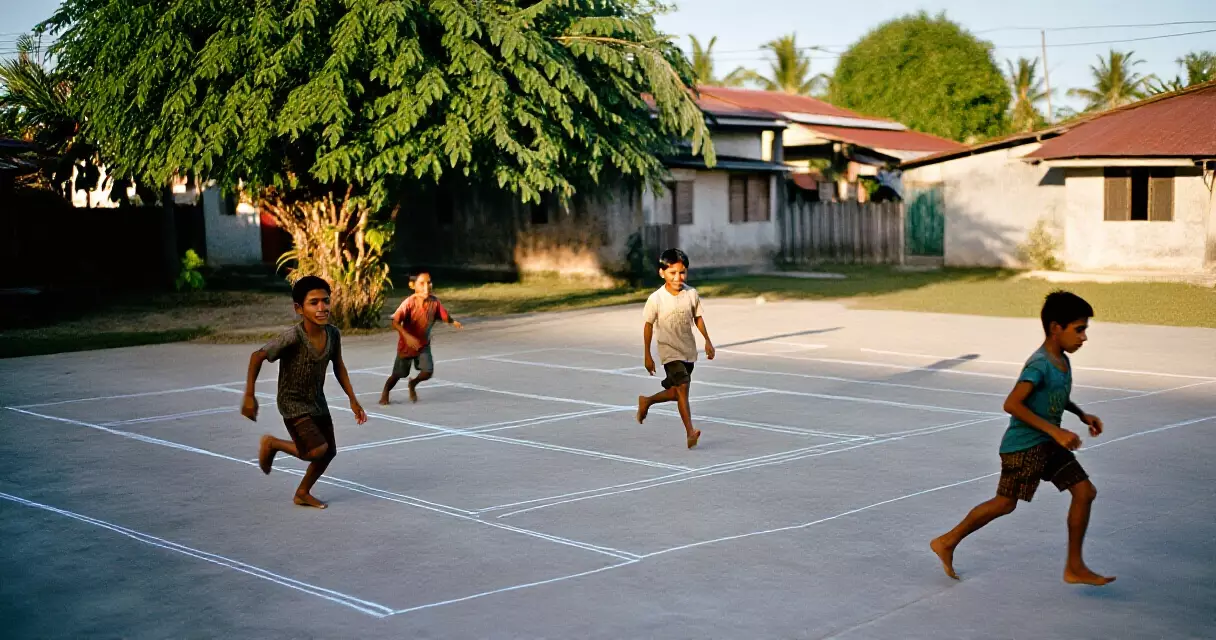
PatinteroOutdoor, team6–12Chalk or ground lines
Tumbang PresoOutdoor, team4–10Can and slippers
PikoOutdoor, individual2–6Chalk and stone
SipaOutdoor, individual/team1–8Sipa (washer and feathers)
Luksong TinikOutdoor, team4–10No equipment
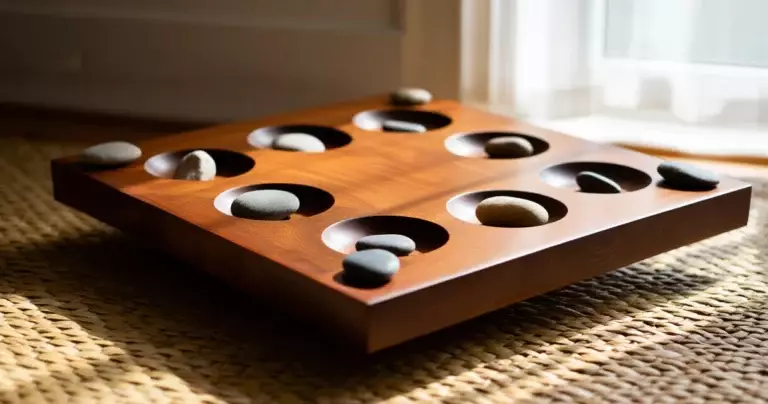
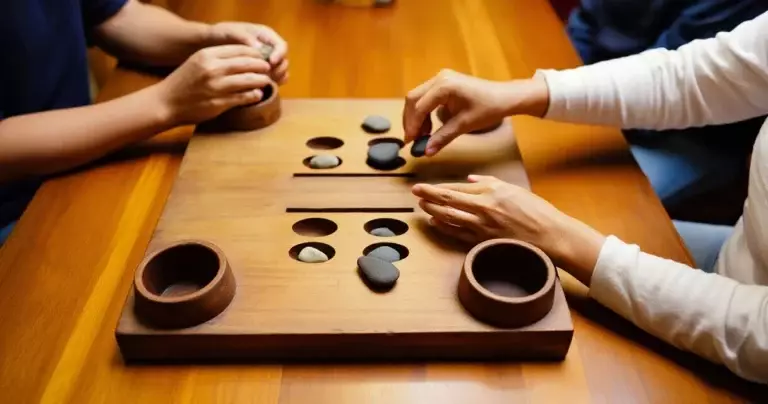
SungkaIndoor, two2Sungkaan and shells/stones

Modern Games: Digital and Online Games

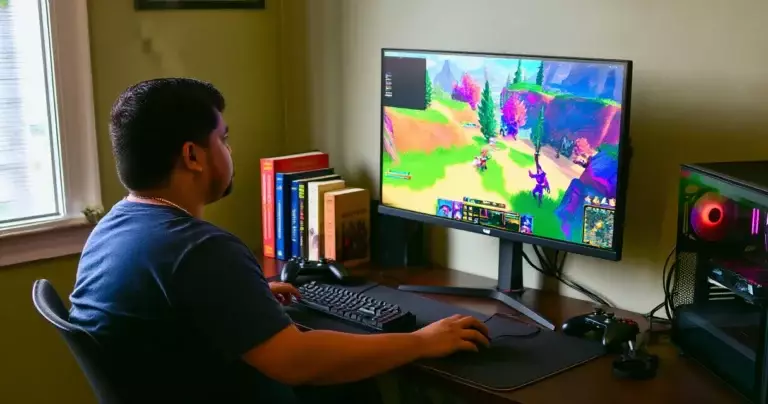
In 2026, the meaning of “laro” for most Filipinos has expanded to include digital games. Mobile Legends: Bang Bang, Free Fire, Roblox, Call of Duty: Mobile, and Honor of Kings are some of the most popular games played by Filipinos today. These games have competitive aspects, such as ranking systems and esports tournaments, adding a new dimension to the concept of “laro” in the country.

Important to KnowThe “laro” in Filipino is not limited to toys or children’s games. It includes sports, board games, video games, mobile games, and even esports competitions. All of these fall under the single word “laro” — a testament to the breadth of Filipino human culture.

Why Are Games Important in Filipino Culture?

More than just entertainment, games play a deep role in forming the identity of Filipinos. Traditional games of the nation serve as bridges between generations — a way of passing on cultural values, language, and traditions. According to research, playing provides three types of benefits: physical, cognitive, and socio-emotional.

In the physical aspect, games like patintero and luksong tinik strengthen the body and improve coordination. In the cognitive aspect, games like sungka and piko enhance problem-solving and strategic thinking. In the socio-emotional aspect, team games teach teamwork, cooperation, and community involvement.

What is a Game
“A game is not just entertainment — it is a cultural language that binds Filipinos from different generations and places.”

The Game as an Educational Tool in the Philippines

In the context of education, games play an important role in child development. According to teachers and educators in the Philippines, incorporating games in the classroom enhances student participation and facilitates understanding of lessons. Twinkl Philippines promotes Filipino games as effective tools for teaching social skills, cooperation, and cultural transmission to children.

Games like sungka are used in teaching mathematics, while team games are used to strengthen teamwork and communication. In 2026, more schools in the Philippines are incorporating traditional games into their physical education and cultural arts programs, as part of a broader effort to preserve the country’s cultural heritage.

Expert AdviceTraditional games of the nation are not just for fun — they are learning tools. Patintero, for example, develops spatial awareness and strategic thinking, while tumbang preso strengthens eye-hand coordination.

The Evolution of Games: From Backyard to Online

The concept of “laro” in the Philippines has undergone significant changes over the past few decades. In the 1980s and 1990s, games like patintero, tumbang preso, and luksong baka were the main entertainment for Filipino children. Now, in 2026, mobile and online gaming dominate the gaming landscape in the country.

AspectTraditional GamesModern Digital Games
LocationOutside the house, backyardOnline, anywhere with internet
EquipmentSimple materials (stone, slippers, can)Smartphone, PC, console
Number of playersUsually 4–12 in personThousands online simultaneously
Main benefitsPhysical activity, cultural continuityStrategic thinking, global community
ExamplePatintero, Sungka, Tumbang PresoMobile Legends, Free Fire, Roblox

Even though digital gaming has grown, the love of Filipinos for traditional games has not disappeared. In fact, many organizations and schools are actively reviving these games, ensuring that the next generation will still know what patintero, sipa, and sungka are. For more in-depth knowledge about the latest popular games in the Philippines, check out our Top 5 Most Downloaded Mobile Games in the Philippines (2026).

Games and the Community: The Social Dimension of Playing

One of the most unique characteristics of Filipino games is their social dimension. It’s not just about winning or losing — the game in Filipino culture is an opportunity for unity, solidarity, and relationship building. Group games like patintero and agawan base strengthen teamwork and develop the ability to collaborate with others.

In the context of team-building, many companies and organizations in the Philippines use traditional Filipino games as tools for strengthening employee relationships. Patintero, tumbang preso, and other group games are effective ways of building trust and communication within a team. The social dimension of the game also continues in the digital world — online games like Mobile Legends provide a new platform for unity and solidarity among players across the Philippines. For more ideas about social gaming, read our article on MLBB Meta 2026.

“In every game, the player learns something new — not just about the rules of the game, but about life, unity, and valuing others.”

Frequently Asked Questions: What is a Game? (FAQ)

What is the exact meaning of the word “laro” in Filipino?

According to Filipino Wikipedia, a game is a type of structured play, often done for entertainment or enjoyment, and sometimes used as an educational tool. It can be a competition, a tournament, or a simple activity for enjoyment. The word is used for all types of games — from children’s games to professional sports.

What is the difference between “laro” and “laro ng lahi”?

“Laro” is a general term for any type of game. “Laro ng lahi” is a specific category — it refers to traditional Filipino games passed down from generation to generation. Laro ng lahi is part of the broader concept of games, but it has a cultural significance that goes beyond simple entertainment.

Some of the most popular laro ng lahi include patintero, tumbang preso, piko, sipa, luksong tinik, luksong baka, agawan base, sungka, and bahay-bahayan. These games typically use simple equipment like stones, chalk, slippers, and cans — things that are easily found in a Filipino child’s environment.

Why is it important to study and practice traditional games?

Traditional games are important because they serve as custodians of Filipino culture. They provide an opportunity for children to connect with their ancestors and the traditions of their race. Additionally, according to research by the University of the Philippines Visayas, playing provides a high percentage of benefits to the physical, cognitive, and socio-emotional development of children.

Are video games and mobile games included in the definition of “laro”?

Yes, video games and mobile games are included in the definition of “laro” in Filipino. The word “laro” encompasses all types of play — digital or physical. In modern Philippines, mobile games like Mobile Legends, Free Fire, and Roblox are called “laro” just like traditional physical games.

How are traditional games promoted in the era of digital gaming?

There are many ways to promote traditional games amidst digital gaming. First, many schools have incorporated laro ng lahi into their curriculum. Second, companies use these games in team-building activities. Third, organizations like Samahang Makasining actively promote the concept of Laro ng Lahi. And in the digital world itself, there are video content and online communities promoting traditional games for the new generation.

Summary: The Game as the Heart of Filipino Culture

The question “What is a laro?” has an answer that goes beyond a simple definition. The game in the Philippines is a living tradition — a way of sharing culture, building relationships, and self-development. From backyards where children play patintero and tumbang preso, to online arenas where Filipino players compete in Mobile Legends and Free Fire, the game remains at the center of Filipino life.

The main lessons from this article:

  • “Laro” is a general term for any type of play — physical, digital, or cultural
  • “Laro ng lahi” is a specific category of traditional Filipino games with cultural significance
  • According to research by the University of the Philippines Visayas, playing provides benefits to physical (95.38%), cognitive (93.85%), and socio-emotional (96.54%) development
  • Traditional games remain alive through education, team-building, and cultural revivalism
  • In 2026, games in the Philippines encompass both tradition and modern digital gaming

For more information about esports and competitive gaming in the Philippines, visit our page on Road to Riyadh: Philippine Teams and how Filipino teams qualify for the Esports World Cup 2026.

References

Share your love

Leave a Reply

Your email address will not be published. Required fields are marked *