Summary
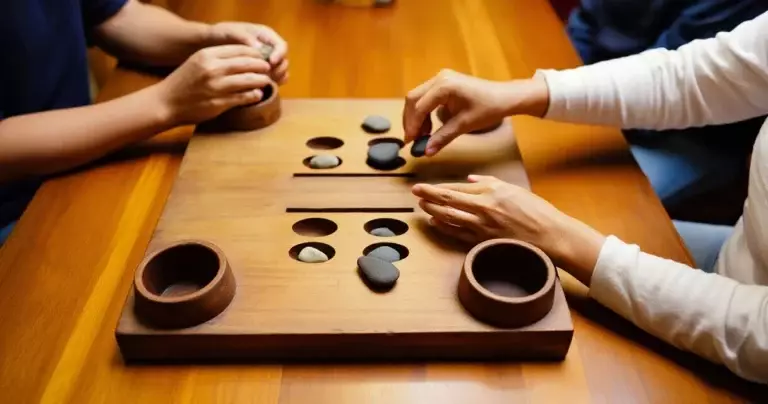
The toy games are not just simple pastimes — they are an essential part of child-rearing and preserving Filipino culture. According to research published by the Philippine Journal of Social Sciences and Humanities of the University of the Philippines Visayas,...
Table of contents
- 1 What is Toy Games: Definition and History
- 2 Main Types of Toy Games in the Philippines
- 2.1 Traditional Outdoor Games
- 2.2 Games Using Toys
- 3 Why Toy Games are Important for Child Development
- 4 Toy Games Then and Now: Changing Times
- 5 Selected Traditional Toy Games and Their Rules
- 5.1 How to Play Patintero
- 5.2 How to Play Tumbang Preso
- 6 Toy Games and Their Connection to Modern Gaming in the Philippines
- 7 Comparison of Toy Games by Age Group
- 8 How to Preserve Traditional Toy Games
- 9 Frequently Asked Questions About Toy Games
- 9.1 What is the difference between a game and a toy?
- 9.2 Which toy game is most effective for child development?
- 9.3 Why are traditional toy games disappearing?
- 9.4 Can toy games be used in classes?
- 9.5 How do toy games differ across regions in the Philippines?
- 9.6 Where can children learn traditional toy games today?
- 10 Summary and Key Lessons
- 11 References
The toy games are not just simple pastimes — they are an essential part of child-rearing and preserving Filipino culture. According to research published by the Philippine Journal of Social Sciences and Humanities of the University of the Philippines Visayas, native Filipino games are seen to support 95.25% of a child’s holistic development — from physical to cognitive and emotional aspects. In the midst of the digital age, it is important to understand what toy games really mean, why they are important, and how we can bring them back to the heart of every Filipino family.
What is Toy Games: Definition and History
According to Mellie Leandicho Lopez in her book A Study of Philippine Games (1980), the word “laro” is the generic term in Filipino for all forms of recreational play. This includes physical games outside the home, portable toys, and group games. The word “laruan” refers to the items or equipment used in playing.
Based on Wikipedia: Traditional games in the Philippines, native games are passed down from generation to generation and often use materials from nature. Historically, Filipino children with limited access to factory-made toys created their own games that only required the participation of playmates — no cost, just fun.
Sipa, for example, was once considered the national game of the Philippines until 2009. It uses a sipa — a toy that can be made from a coin wrapped in thread or cloth. With such simple equipment, a national toy was created that represents the creativity of Filipinos.
Main Types of Toy Games in the Philippines
Toy games in the Philippines can be divided into several main categories. Understanding each type can help parents and teachers choose the appropriate game for different situations and age groups.
Traditional Outdoor Games
This is the most well-known category of toy games in our culture. According to Wikipedia, the most popular traditional games include:
- Patintero — a game of two groups where one team tries to pass without being touched by the guards
- Tumbang Preso — uses slippers to knock down a can in the center of a circle
- Luksong Baka and Luksong Tinik — jumping games that strengthen the body
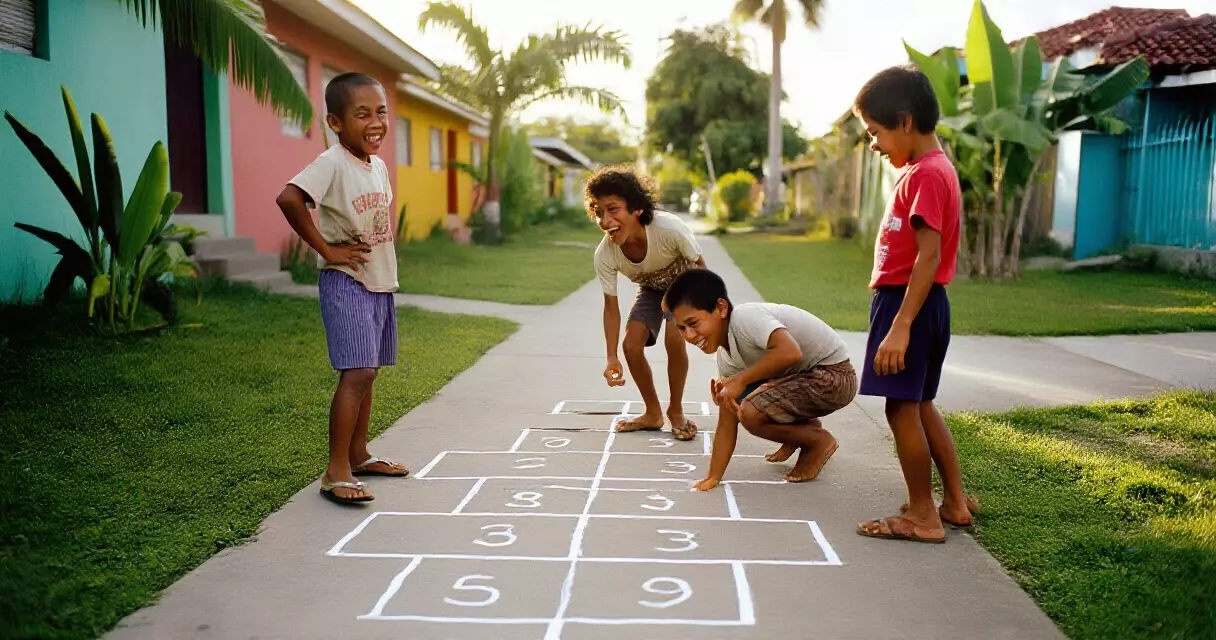
- Piko — similar to hopscotch, played on the ground with lines and stones
- Agawan Base — a game of two teams trying to capture the opponent’s base
- Langit Lupa — players hide on top of anything to avoid being tagged by the “it”
- Taguan — the well-known Filipino hide-and-seek
Games Using Toys
There are some traditional toy games that require specific equipment or toys:
- Holen (Marbles) — stones used in a game where the goal is to hit other players’ marbles within a circle
- Sipa — uses a sipa (toy made of coin and thread) kicked with the foot
- Siyato (Shatong) — uses two pieces of wood of different sizes
- Takyan — similar to badminton but played without a racket, just tapping the takyan with the palm
- Palosebo — a bamboo pole coated with grease where players try to climb
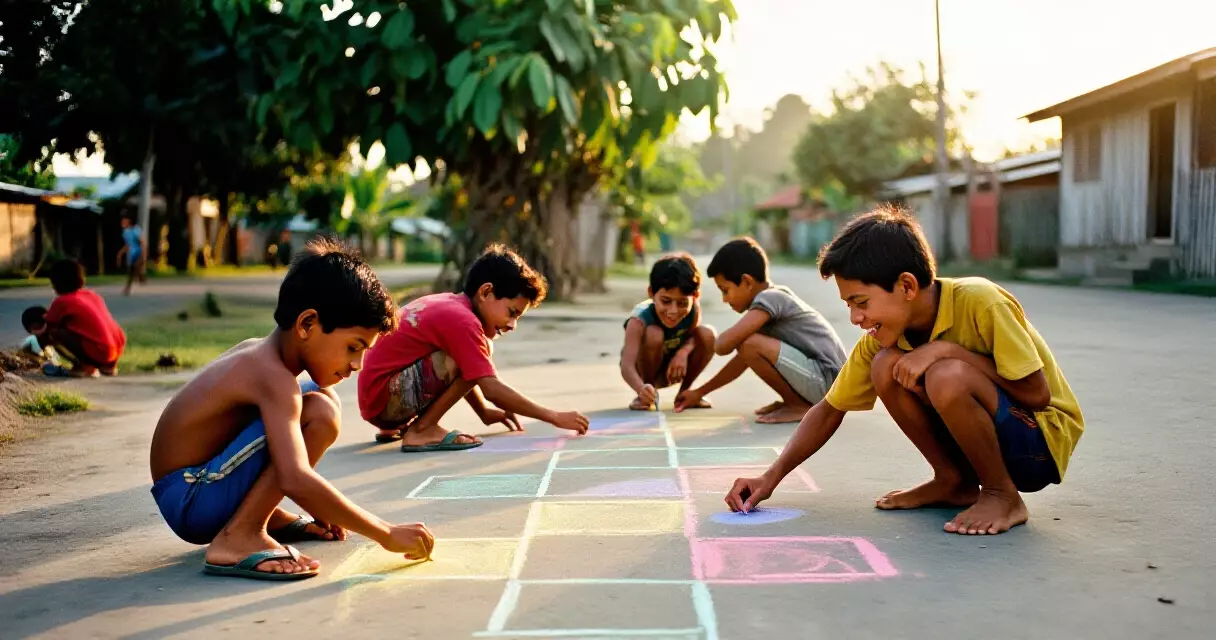
Why Toy Games are Important for Child Development
The research by the Philippine Journal of Social Sciences and Humanities (UP Visayas) with 130 participants showed significant results. Those who grew up playing native games as children mostly completed their college education. Female participants who played toy games as children were found to be 10% more academically prepared, more determined, and more successful in completing their studies compared to their male counterparts.
The benefits of toy games for children can be divided into three main areas:
- Physical Development: Strengthens muscles, coordination, and cardiovascular health through active movement
- Cognitive Development: Enhances strategic thinking, rule-following, and problem-solving
- Socio-Emotional Development: Teaches cooperation, social interaction, role-switching, and understanding others
Toy Games Then and Now: Changing Times
The proliferation of smartphones and the internet has brought significant changes to the culture of toy games in the Philippines. According to Wikipedia, native Filipino games are gradually disappearing and are at risk of extinction along with the decline of Filipino culture. This is a danger recognized by researchers and educators across the country.
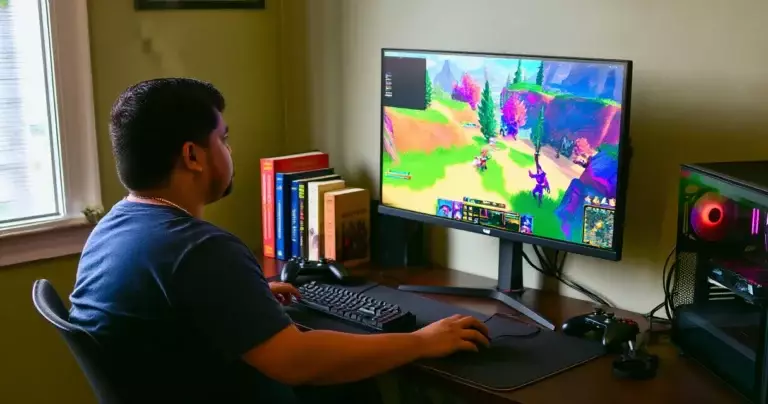
On the other hand, modern toy games today include digital games such as Mobile Legends: Bang Bang, Call of Duty Mobile, and Free Fire — increasingly popular among young Filipinos. The challenge for parents and teachers is finding the right balance between traditional and modern toy games.
| Characteristic | Traditional Toy Games | Modern Digital Games |
|---|---|---|
| Cost | Free or very cheap | Can be expensive (data, device) |
| Physical Activity | High | Low to moderate |
| Social Interaction | Personal, face-to-face | Digital, online |
| Equipment | Natural materials | Smartphone/PC/console |
| Educational Value | Multidimensional | Depends on the game |
| Culture | Preserves Filipino identity | Often global culture |
“Toy games are not just an activity — they are a language of love, friendship, and being Filipino.”
Selected Traditional Toy Games and Their Rules
For those who want to reintroduce traditional toy games to their children or students, here is a detailed explanation of some of the most popular games:
How to Play Patintero
Patintero is one of the most popular toy games in the Philippines. The game requires anywhere from 6 to 10 players, divided into two teams. One team guards the lines drawn on the ground (usually chalk), while the other team tries to pass through all the lines without being touched by the guards. Each successful crossing earns the attempting team points.
How to Play Tumbang Preso
Tumbang Preso is another favorite toy game. One player becomes the “it” and guards a can in the center of a circle. Other players use their slippers to hit the can. When the can is knocked down, players can retrieve their slippers without being tagged by the “it.” If the “it” tags a player while retrieving their slipper, they become the new “it.”
Toy Games and Their Connection to Modern Gaming in the Philippines
Although the worlds of traditional toy games and modern digital gaming are different, they share many similar principles. Both types of games promote strategic thinking, teamwork, and competition. In fact, many professional esports players have said that their early exposure to toy games as children helped develop the skills needed for competitive gaming.
Currently, esports in the Philippines continues to grow. You can find details of the latest news at Road to Riyadh: Philippine Teams in Esports World Cup 2026 — proof that the Filipino gaming culture has reached the global stage.
Comparison of Toy Games by Age Group
Not all toy games are for all ages. Here is a guide for parents and teachers:
| Age Group | Recommended Games/Toys | Main Benefits |
|---|---|---|
| 3-5 years old | Jack en Poy, Langit Lupa, Buwan-buwan | Coordination, sociability |
| 6-9 years old | Piko, Taguan, Holen (Marbles) | Strategy, physical activity |
| 10-12 years old | Patintero, Tumbang Preso, Agawan Base | Teamwork, competition |
| Teenager | Sipa, Chinese Garter, Luksong Tinik | Physical prowess, creativity |
| Family/All ages | Pitik Bulag, Palosebo, Bahay-bahayan | Bonding, fun |
How to Preserve Traditional Toy Games
Preserving traditional toy games is the responsibility of every Filipino. Here are some practical ways to maintain and pass these games to the next generation:
- Teach children at home — Spend time on weekends playing traditional toy games with the whole family
- Participate in school events — Many schools hold Language Week or sports festivals that include native games
- Document and share — Record videos of games your family plays and share them on social media to spread awareness
- Support local programs — Some local governments have programs to preserve cultural toy games
- Remind children of history — Explain why these games are important as part of introducing themselves as Filipinos
For a more comprehensive list of unique Filipino games, check out our Top 5 Most Downloaded Mobile Games in the Philippines (2026) showcasing how modern games are integrating with local culture.
“Every child who learns Patintero or Tumbang Preso holds a piece of Filipino culture in their heart.”
Frequently Asked Questions About Toy Games
What is the difference between a game and a toy?
Based on Mellie Leandicho Lopez’s explanation in A Study of Philippine Games (1980), “laro” is the generic term for all forms of play and recreational activity in Filipino. “Laruan” refers to a physical object or equipment used in a game — such as marbles, sipa, or wood used in siyato. Thus, “toy games” encompass both concepts: the activity and its equipment.
Which toy game is most effective for child development?
According to the study by UP Visayas PJSSH, games that require physical activity and social interaction — such as Patintero and Agawan Base — provide the greatest benefits to a child’s holistic development. These games help in physical (95.38%), cognitive (93.85%), and socio-emotional (92.35%) development simultaneously.
Why are traditional toy games disappearing?
According to observations documented in Wikipedia, traditional toy games are gradually disappearing due to the proliferation of smartphones and digital entertainment, changes in urban landscapes (less space to play), and shifts in family culture and priorities. Therefore, active promotion and education about these games are crucial today.
Can toy games be used in classes?
Yes, and many Filipino schools are already doing this. The Laro ng Lahi program is part of some Physical Education curricula in public and private schools. Toy games are an effective way to teach lessons about culture, history, and physical education simultaneously. Teachers can use these games as hands-on learning that is more effective than traditional classroom lectures.
How do toy games differ across regions in the Philippines?
According to Artemio C. Barbosa in his essay “Traditional Games in the Philippines,” “hámpang or laro” is a universal phenomenon seen in all regions of the country. However, there are some differences in names and rule details depending on the region. For example, the game known as Siyato in Tagalog is called Shatong or other names in other parts of the country, but the mechanical principle of the game is the same.
Where can children learn traditional toy games today?
There are many ways for children to learn traditional toy games: through school PE classes that include Laro ng Lahi, at community events and barangay festivals, in libraries and cultural centers that hold workshops, and through online resources such as tutorial videos. The most effective way, however, is to learn from elders in the family who played these games in their youth. For more news on local gaming events, visit our page on Good Game Con 2026 Highlights.
Summary and Key Lessons
Toy games — from native games like Patintero and Tumbang Preso to modern digital games — are an important part of child-rearing and preserving Filipino culture. Here are the key lessons from this guide:
- Based on UP Visayas research, native toy games are seen to support 95.25% of a child’s holistic development
- Toy games encompass both the activity (game) and equipment (toy) — two interconnected concepts
- Traditional games are free, teach valuable life skills, and preserve Filipino culture
- The shift to digital gaming does not have to be an enemy of traditional games — they can coexist
- Every Filipino has the responsibility to preserve and pass on traditional toy games to the next generation
References
- Laro ng Lahi: A Study on the Perceived Benefits of Playing Philippine Indigenous Games — Philippine Journal of Social Sciences and Humanities, UP Visayas — retrieved on July 7, 2026
- Traditional games in the Philippines — Wikipedia — retrieved on July 7, 2026
- “Laro tayo!”: Parent-child and peer play activities of Filipino children and related variables — Michigan State University Digital Repository — retrieved on July 7, 2026