Summary
If you're looking for the answer to the question what is laro ng lahi brainly, you're in the right place. Laro ng Lahi — also known as larong Pinoy or traditional Filipino games — is a collection of native games...
Table of contents
- 1 What is Laro ng Lahi: Definition and Origin
- 2 Brief History of Laro ng Lahi in the Philippines
- 3 Famous Examples of Laro ng Lahi
- 4 Why Laro ng Lahi is Important: Benefits
- 4.1 Physical Health
- 4.2 Cultural Identity
- 4.3 Social Development
- 5 What is Laro ng Lahi Brainly: Answer to the Most Common Question
- 6 How to Play the Most Popular Laro ng Lahi: Step-by-Step
- 6.1 Patintero: Rules
- 6.2 Tumbang Preso: Rules
- 7 Laro ng Lahi in Modern Times: Trends and Changes in 2026
- 8 Laro ng Lahi and Education: Role in Schools
- 9 Frequently Asked Questions about Laro ng Lahi (FAQ)
- 9.1 What is the meaning of Laro ng Lahi?
- 9.2 What are examples of Laro ng Lahi?
- 9.3 Who popularized the term “Laro ng Lahi”?
- 9.4 Why is Laro ng Lahi important in education?
- 9.5 What was the national game of the Philippines before 2009?
- 9.6 How has Laro ng Lahi been preserved in modern times?
- 10 Summary: The Importance of Knowing Laro ng Lahi
- 11 References
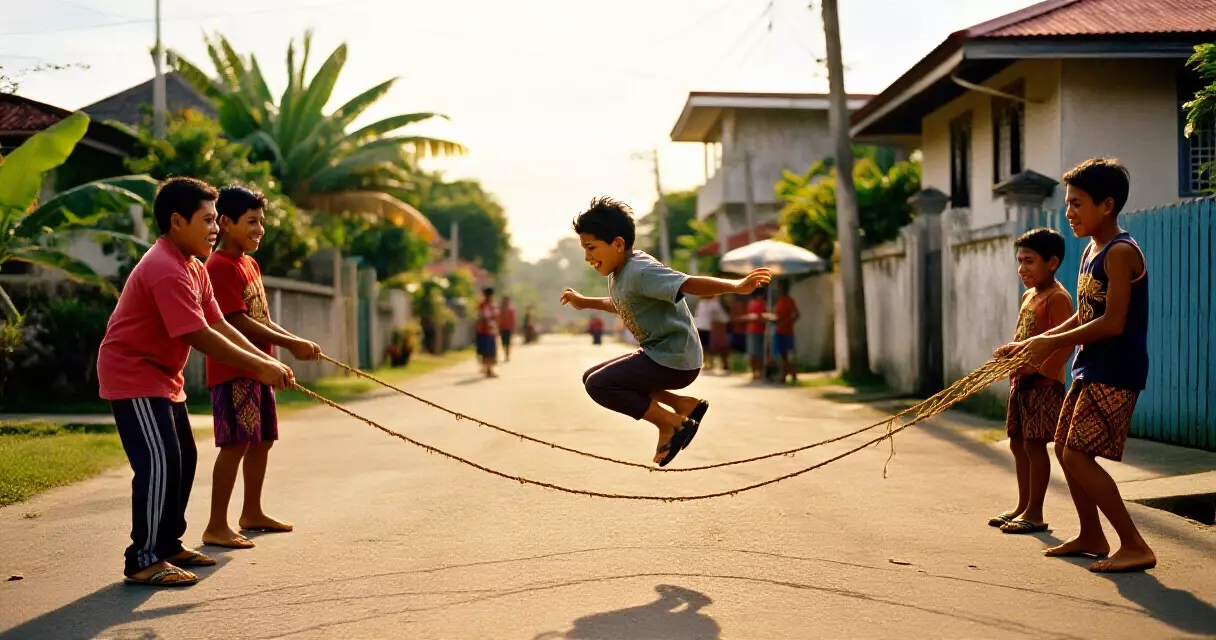
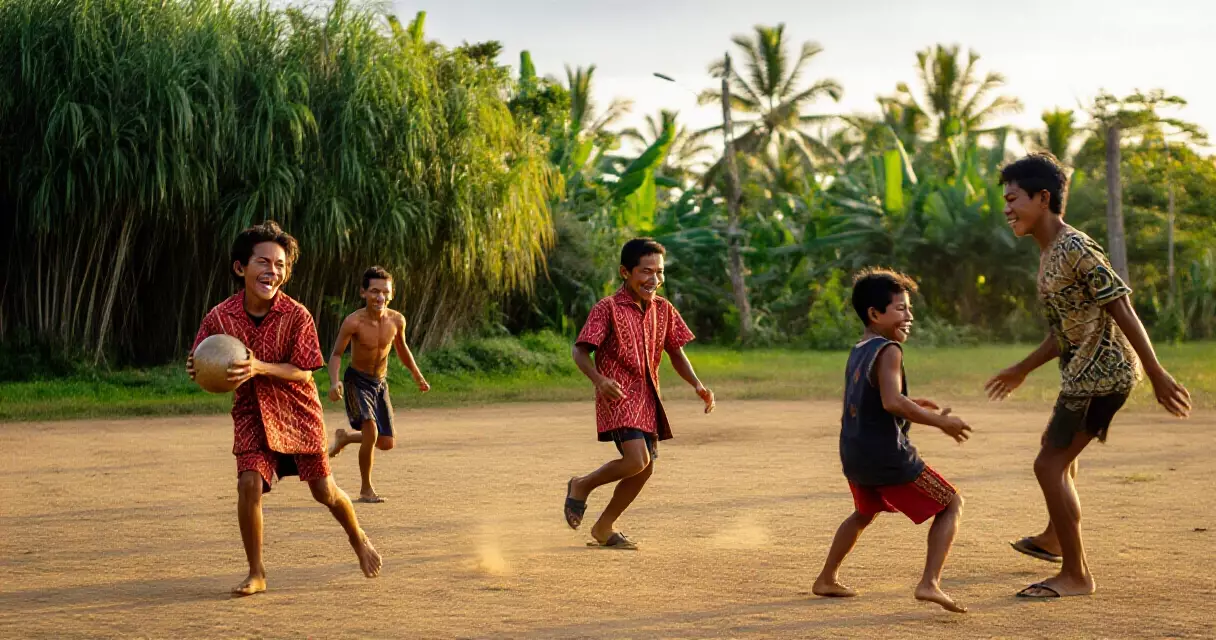
If you’re looking for the answer to the question what is laro ng lahi brainly, you’re in the right place. Laro ng Lahi — also known as larong Pinoy or traditional Filipino games — is a collection of native games passed down from generation to generation in the Philippines, and as of July 6, 2026, it continues to be recognized as an important part of Filipino culture. According to data from Twinkl Philippines Teaching Wiki, these games are typically played by children outdoors using simple materials such as stones, wood, bottle caps, and rubber.
What is Laro ng Lahi: Definition and Origin
Laro ng Lahi is a Tagalog term that literally means “game of the race” or “game of the people.” According to information provided by Twinkl Philippines, these are traditional Filipino games passed down from generation to generation, typically played by children outdoors as recreation, with friends, relatives, or neighbors. It’s not just mere entertainment: each game holds history, values, and Filipino identity.
The term was officially used and replaced by Samahang Makasining (Artist Club), Inc. — also known as “Makasining” — with the help of NCCA. Their goal is to pass these games to Filipino youth and preserve them as a living tradition. The NCCA, as a government agency, serves as the primary defender of Laro ng Lahi at the national policy level.
Brief History of Laro ng Lahi in the Philippines
Traditional Filipino games organically grew in various communities across the archipelago, long before they were officially called “Laro ng Lahi.” Due to the limited resources for toys for Filipino children in the past, they naturally thought of creating games using objects around them — stones, rubber, wood, and more. According to documentation found in DepEd PED-028 lesson materials, these games reflect the industriousness and creativity of Filipinos despite hardships.
Sipa, for example, was the national game of the Philippines until 2009, after which its national status was replaced. The yo-yo, another well-known toy with roots in the Philippines, was launched in its modern form by Pedro Flores, and the word “yo-yo” itself comes from the Ilocano language — proof of the deep cultural roots of the toy in this country.
Famous Examples of Laro ng Lahi
If you’re wondering what Laro ng Lahi is in the context of Brainly and other schools, here are the most famous examples. Based on DepEd PED-028 lesson materials, the list includes the following:
| Game Name | Description | Type of Player |
|---|---|---|
| Patintero | A group game where one team tries to pass through lines guarded by another team | Male and female |
| Piko | Similar to hopscotch; played on a drawn box on the ground | Usually female |
| Tumbang Preso | A can is placed in the middle; players hit it with slippers | Male and female |
| Luksong Tinik | Played by jumping over the hands and feet of opponents | Usually female |
| Sipa | A small sipa is kicked multiple times; the one with the highest count wins | Male and female |
| Chinese Garter | Jumping over a garter at different heights | Usually female |
| Taguan (Hide and Seek) | Players hide while one seeks them | All genders |
| Langit Lupa | Players must reach “heaven” (a high place) before being tagged | All genders |
Why Laro ng Lahi is Important: Benefits
Physical Health
Based on the materials taught by DepEd for Physical Education, Laro ng Lahi requires physical movement that improves a child’s health. Playing these games — like running in Patintero or jumping in Luksong Tinik — develops bone and muscle structure and strengthens a child’s immune system. It’s a simple way to keep young people active without the need for expensive equipment.
Cultural Identity
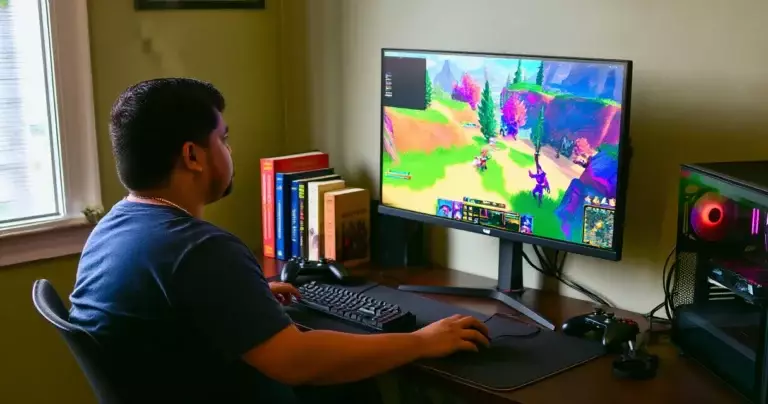
Each game under Laro ng Lahi reflects the culture and history of the Philippines. According to Twinkl Philippines, these games strengthen community ties and provide children with the opportunity to experience something commonly shared by all generations of Filipinos. In an era where digital games consume children’s time, Laro ng Lahi serves as a bridge between modern living and traditional roots.
Social Development
Laro ng Lahi not only provides physical benefits but also offers children the chance to learn cooperation, sharing, and peaceful conflict resolution. Group games like Patintero and Tumbang Preso encourage children to work with their teammates and learn strategy — skills that are beneficial into adulthood.
What is Laro ng Lahi Brainly: Answer to the Most Common Question
The keyword “what is laro ng lahi brainly” indicates that many students are looking for quick answers on Brainly and similar Q&A platforms. Brainly.ph is one of the most-used homework-help sites in the Philippines, and the question about Laro ng Lahi is one of the frequently asked there. Here is a summary of the answers commonly provided on such platforms, but we ensured to start from deeper and more accurate sources.
For students looking for a brief definition for their homework: Laro ng Lahi are the native games of the Philippines passed down from generation to generation. They are typically played by children using simple tools or even without tools. These include Piko, Luksong Tinik, and Tumbang Preso — games known to every Filipino who grew up playing outside. If you want a deeper understanding, our teachers emphasize the cultural and physical dimensions of each game in our guide on 5 Laro ng Lahi.
“Laro ng Lahi is not just a game — it is a way to keep Filipino culture alive in every generation.”
How to Play the Most Popular Laro ng Lahi: Step-by-Step
Patintero: Rules
Patintero is played by two teams on a field with lines drawn on the ground. One team guards the lines, while the other team tries to pass from one end to the other without being tagged by the guards. The team that can pass the most times wins. According to the details of DepEd PED-028, the game helps with physical coordination and strategic thinking.
Tumbang Preso: Rules
In Tumbang Preso, one player “stands” a can in the middle of a circle. The other players try to knock down the can with their slippers from a designated distance. When the can is knocked down, the guard must return it while the players try to retrieve their slippers before being tagged by the guard. The first one tagged becomes the guard in the next round.
| Game | Number of Players | Required Equipment | Playing Area |
|---|---|---|---|
| Patintero | 6–10 (two teams) | Chalk or stone for lines | Wide open space |
| Tumbang Preso | 3–10 | Can and slippers | Small to medium space |
| Piko | 2–5 | Chalk and small stone | Cement or flat ground |
| Chinese Garter | 4+ (two holders) | Long garter | Open space |
| Sipa | 1 or many | Sipa (rubber disk with feathers) | Any flat area |
Laro ng Lahi in Modern Times: Trends and Changes in 2026
As of July 6, 2026, both the government and private sector continue efforts to keep Laro ng Lahi alive. Many schools across the Philippines are beginning to incorporate these games into their Physical Education (PE) programs as part of cultural education. The NCCA and the Department of Education (DepEd) actively promote projects to digitize knowledge about Laro ng Lahi through video tutorials and interactive learning modules.
Additionally, many Local Government Units (LGUs) hold Laro ng Lahi festivals, especially during Buwan ng Wika in August — an occasion where the culture and language of the Philippines are wholeheartedly celebrated. These celebrations provide opportunities for young people to personally experience games they might not encounter in daily life, especially in urban areas.
Laro ng Lahi and Education: Role in Schools
The integration of Laro ng Lahi in schools is not a new concept: it has long been part of the DepEd’s PE curriculum. However, in recent years, formal recognition of these games has grown as not just physical activities but also as tools for cultural literacy. Teachers are encouraged to use these games to teach love for one’s culture, creativity, and cooperation.
For students using Brainly and similar platforms to find the meaning of Laro ng Lahi for their homework, the most important thing is to understand three key aspects: first, Laro ng Lahi is a cultural treasure of the Philippines; second, these games have concrete benefits for health and social development; and third, maintaining these games is the responsibility of every generation. For those who want to deepen their knowledge of the gaming culture of the Philippines, we recommend our article on examples of Pinoy games.
“With every child playing Patintero or Piko, a piece of Philippine history comes alive on the street.”
Frequently Asked Questions about Laro ng Lahi (FAQ)
What is the meaning of Laro ng Lahi?
Laro ng Lahi are traditional Filipino games passed down from generation to generation. They are typically played by children using simple tools found in the environment. The term is officially used and replaced by Samahang Makasining and the NCCA to promote these native games to Filipino youth.
What are examples of Laro ng Lahi?
Famous examples include Patintero, Piko, Tumbang Preso, Luksong Tinik, Sipa, Chinese Garter, Taguan, Langit Lupa, Palosebo, Pitik Bulag, Agawam Base, and Siyato. Each game has its own rules and equipment, but all share the characteristics of being simple, competitive, and social.
Who popularized the term “Laro ng Lahi”?
Samahang Makasining (Artist Club), Inc. popularized the term “Laro ng Lahi” with the help of the National Commission for Culture and the Arts (NCCA). This organization is dedicated to preserving the native games and practices of Filipinos, and one of their contributions is the creation of a time-based scoring system for five selected games.
Why is Laro ng Lahi important in education?
Laro ng Lahi is important in education because it teaches three interconnected things: physical health, cultural identity, and social skills. DepEd includes these games in the PE curriculum to ensure that children are not only active but also have a deep understanding of their own country’s culture.
What was the national game of the Philippines before 2009?
Sipa was the national game of the Philippines until 2009. In this game, a player kicks a small sipa multiple times without letting it fall to the ground, and the one with the highest kick count wins. After 2009, Sipa’s national status was replaced, but it remains one of the most well-known Laro ng Lahi to this day.
How has Laro ng Lahi been preserved in modern times?
In 2026, Laro ng Lahi has been preserved through several means: integration into school PE curricula, festivals hosted by LGUs during Buwan ng Wika, digital projects by NCCA and DepEd, and active sharing of videos and tutorials on social media platforms like YouTube and Facebook. These efforts demonstrate that Laro ng Lahi remains alive and relevant in the lives of Filipinos.
Summary: The Importance of Knowing Laro ng Lahi
The question “what is laro ng lahi brainly” opens up a broader topic: valuing the culture and traditions of the Philippines. By understanding Laro ng Lahi, a student not only learns for their homework but also discovers an important part of every Filipino’s identity. From Patintero to Tumbang Preso, each game is a reflection of the diligence, creativity, and love for community that this nation holds.
As of July 6, 2026, Laro ng Lahi continues to grow — not just as a classroom topic but as an active part of Filipino culture cherished by both the young and old. For those who wish to learn more about the gaming culture of the Philippines in a broader context, you can visit our related guides here at Top 5 Most Downloaded Mobile Games in the Philippines.
References
- Twinkl Philippines Teaching Wiki: Laro ng Lahi — accessed on July 6, 2026
- DepEd PED-028 Lesson 9 and 10: Exploring Laro ng Lahi Games (Scribd) — accessed on July 6, 2026
- National Commission for Culture and the Arts (NCCA) — accessed on July 6, 2026