Summary
In the last comprehensive measurement by researchers, over 29.9 million Filipinos were recorded as gamers — and since then, what is called ph game has grown from a simple pastime into a mainstream part of the country's digital life. In...
Table of contents
- 1 What is ph game and why is it important in 2026
- 2 Brief history of gaming growth in the Philippines
- 3 Mobile gaming: the heart of ph game
- 4 Esports: from internet café to SEA Games
- 4.1 Professional leagues and organizations
- 4.2 Popular competitive games
- 5 Demographics of ph game: who plays
- 6 Online gaming and mental health
- 6.1 What is “gaming disorder”
- 7 Authorities and organizations in gaming
- 8 Practical tips for responsible gaming
- 9 Frequently asked questions about ph game
- 9.1 What does ph game really mean?
- 9.2 How many Filipinos play games?
- 9.3 What is the most popular: mobile, PC, or esports?
- 9.4 Is competitive gaming legal in the Philippines?
- 9.5 Is gaming harmful to health?
- 9.6 Is there a livelihood in ph game?
- 10 Summary and key lessons
- 11 References
In the last comprehensive measurement by researchers, over 29.9 million Filipinos were recorded as gamers — and since then, what is called ph game has grown from a simple pastime into a mainstream part of the country’s digital life. In this guide (updated this June 22, 2026), we will look at what ph game is, who plays it, how esports emerged, and how to play responsibly based on reliable data from academics and international institutions.
What is ph game and why is it important in 2026
In its simplest definition, ph game is the overall gaming culture in the Philippines: mobile games, PC and console titles, online multiplayer, and competitive esports. It’s not about betting or casinos but about games as entertainment, socialization, and even livelihood for some Filipinos. According to a study in PMC, online gaming in the country is described as an “emerging industry” that continues to grow alongside the increasing number of smartphones and internet access.
It is important now in 2026 because gaming is no longer a niche. It has become part of the daily entertainment of millions of Filipinos, from students playing after class to professionals streaming or competing. Understanding the shape of ph game helps players choose the right game, budget their time, and protect themselves against excessive gaming.
Brief history of gaming growth in the Philippines
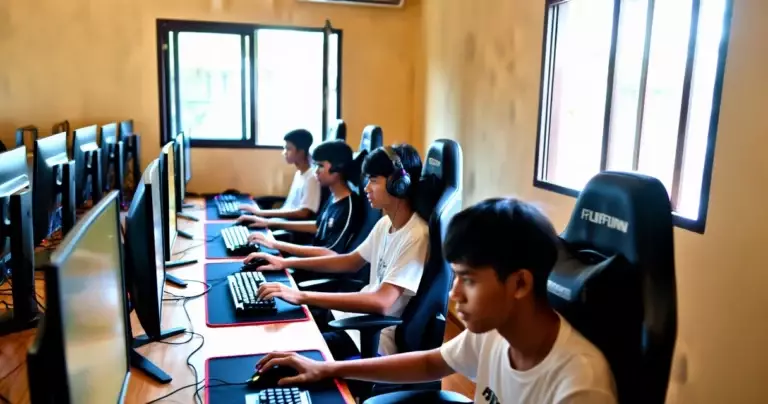
Gaming has deep roots in the country. Amateur competitions started in internet cafés in the 2000s to early 2010s, especially in titles like Dota and Counter-Strike. According to Esports in the Philippines, the Philippine Esports Organization was established in 2011, the Games and Amusements Board recognized esports as an official sport in 2017, and it became a medal event at the 2019 Southeast Asian Games held in the Philippines.
The arrival of affordable smartphones changed everything. From a PC-centric café culture, most players shifted to mobile-first gaming by the early 2020s, greatly expanding the reach of ph game across the archipelago.
Mobile gaming: the heart of ph game
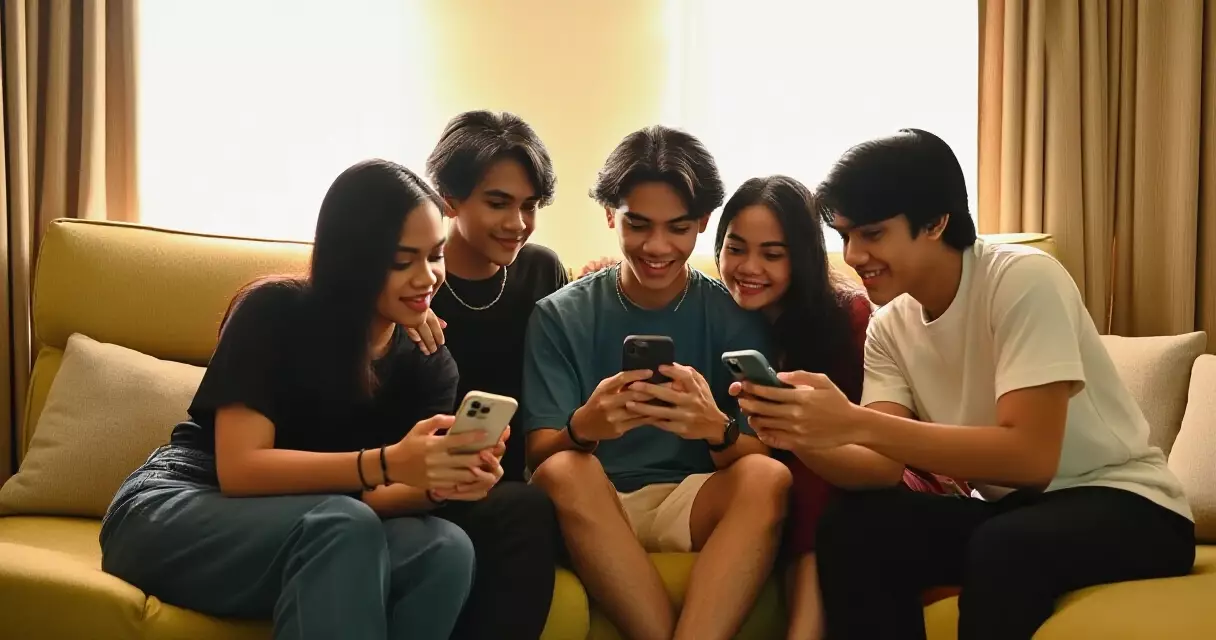
Mobile-first is the dominant behavior of Filipino gamers, and it aligns with the young and mobile-first internet usage demographic in the country. It’s easier to start a mobile game than to buy a PC or console, so this is where most people first engage with ph game. For a deeper look at the most popular apps, our guide to the most downloaded mobile games can help.
Although many commercial reports claim exact market sizes, academic consensus is stronger that mobile and social play are robust due to the connected youth. According to the aforementioned study in PMC, online gaming in the country is a growing industry powered by the expansion of the internet and smartphones — and it shows no signs of slowing down.
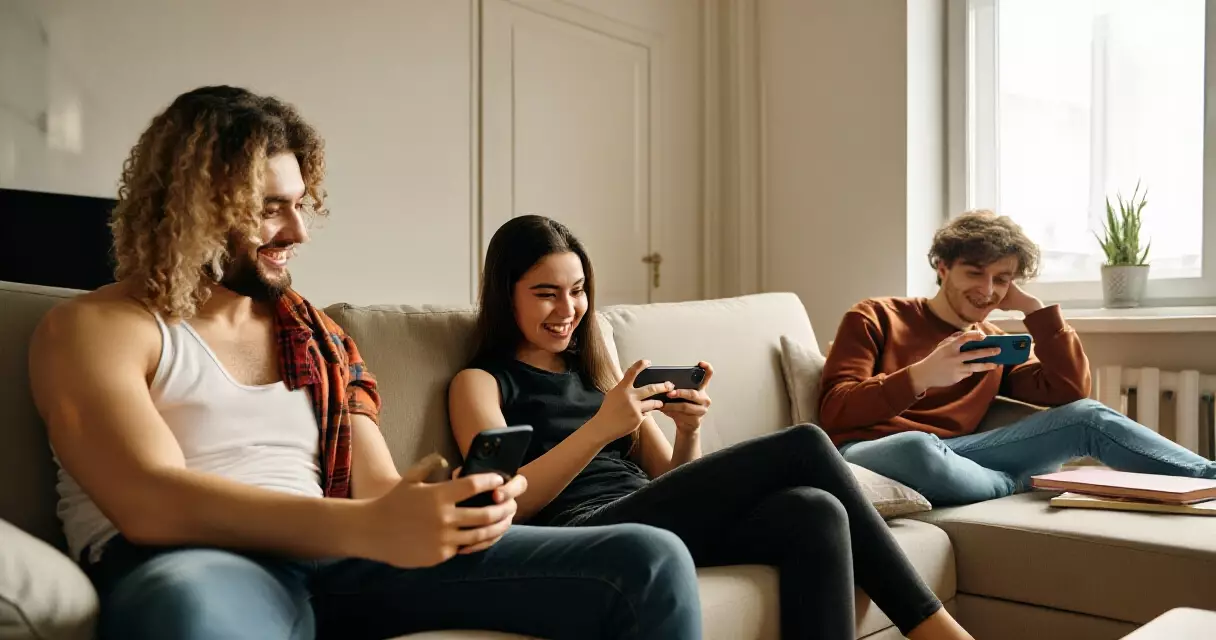
In the Philippines, the smartphone has become the most effective gateway to the world of gaming.
Esports: from internet café to SEA Games
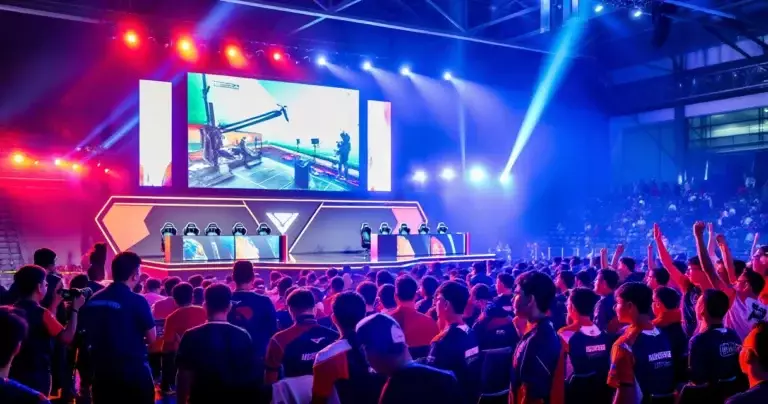
Esports is the fastest-growing part of ph game. It is no longer just a pastime but a competitive ecosystem with leagues, teams, sponsors, and professional athletes licensed by the Games and Amusements Board.
Professional leagues and organizations
According to Wikipedia, the Philippine Esports Organization (PeSO) is the official governing body and representative to the International eSports Federation, and it joined the Philippine Olympic Committee in 2020. Notable competitions include The Nationals and MPL Philippines. For updates on local leagues, read our report on MPL PH Season 17.
Popular competitive games
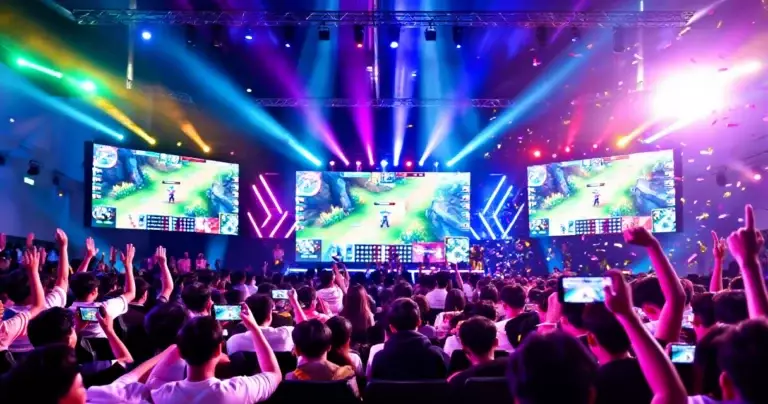
According to Wikipedia, traditional titles include Dota 2 and Counter-Strike, while Mobile Legends and PUBG Mobile dominate the mobile scene. For MLBB players, our analysis of the MLBB meta 2026 can help. On the international level, Filipino fans also follow the Esports World Cup 2026.
| Esports Milestone | Year | Details |
|---|---|---|
| Establishment of PeSO | 2011 | National governing body for esports |
| Recognition as official sport | 2017 | Recognized by the Games and Amusements Board |
| Medal event at SEA Games | 2019 | First time at the Southeast Asian Games |
| Joining the Philippine Olympic Committee | 2020 | Through PeSO |
Demographics of ph game: who plays
Based on the study in PMC, the largest group of gamers in the country is aged 21 to 35, followed by young people aged 10 to 20. This shows why there is a strong demand for mobile games, social play, and esports viewership — the primary audience of ph game is young and connected.
According to the same study, the Philippines ranks 29th in the world in terms of game revenues — proof that the country is not a small market even on a global scale.
| Data about ph game | Value | Source |
|---|---|---|
| Recorded gamers (2017) | ~29.9 million | PMC/NCBI |
| Rank in global game revenues | 29th | PMC/NCBI |
| Main group by age | 21–35 years | PMC/NCBI |
| Correlation of addiction and depression | r = 0.31 (p < 0.001) | PMC/NCBI |
Online gaming and mental health
While gaming is fun and beneficial, there is also a side to be cautious of. In the study in PMC, there is a positive correlation between the level of online game addiction and the level of depression (r = 0.31, p < 0.001) in the Filipino sample. This does not mean that all players will be affected, but it is a reminder that balance is important.
What is “gaming disorder”
The World Health Organization recognizes gaming disorder in ICD-11 as a pattern of gaming behavior characterized by impaired control, prioritizing gaming over other activities, and continuation despite negative consequences. To be considered a disorder, it must be evident for at least 12 months and affect personal, family, or academic life.
It is important to note that according to WHO, gaming disorder affects only a small portion of people who play games. For most, gaming is safe and enjoyable as long as there are proper limits.
Authorities and organizations in gaming
In the field of competitive gaming, the Philippine Esports Organization (PeSO) is the governing body, while the Games and Amusements Board issues licenses to professional athletes. On the research and health side, academic institutions and the World Health Organization are important references for a proper understanding of the effects of excessive gaming.
A healthy ph game is not about stopping gaming, but about having control and balance.
Practical tips for responsible gaming
- Set time limits: allocate a specific duration per day and avoid letting it encroach on sleep, study, or work.
- Stay social: choose games that encourage social interaction rather than isolation.
- Monitor spending: be cautious with in-game purchases, especially for young players.
- Watch for signs: according to WHO, a lack of control over several months may indicate a problem.
- Take breaks: regular breaks from the screen help with physical and mental health.
Frequently asked questions about ph game
What does ph game really mean?
The ph game is the overall gaming scene in the Philippines — mobile games, PC and console titles, online multiplayer, and esports. It focuses on games as entertainment and competition, not on betting or casinos.
How many Filipinos play games?
According to the study in PMC, over 29.9 million Filipinos were recorded as gamers in the baseline year of the study. It is expected that there are more now due to the continued expansion of smartphone and internet access.
What is the most popular: mobile, PC, or esports?
Mobile-first is the dominant behavior in the country because it is affordable and easy to start. However, esports is also strong, covering both mobile and PC titles like Mobile Legends, Dota 2, and PUBG Mobile.
Is competitive gaming legal in the Philippines?
Yes. The Games and Amusements Board recognized esports as an official sport in 2017, and professional athletes obtain licenses. It even became a medal event at the 2019 SEA Games.
Is gaming harmful to health?
For most, no. According to WHO, only a small portion of players experience gaming disorder. However, the study in PMC showed a link between excessive gaming and depression, so balance is important.
Is there a livelihood in ph game?
Yes. With the growth of esports and content creation, there are professional players, coaches, streamers, and organizers who rely on gaming as a livelihood, particularly in leagues like MPL Philippines.
Summary and key lessons
- The ph game is a large and growing scene: over 29.9 million gamers according to the study in PMC, ranking 29th in the world in game revenues.
- Gaming is mobile-first, and the audience is young — mostly aged 21 to 35.
- Esports has grown rapidly, from internet cafés in the 2000s to the SEA Games and Olympic Committee.
- Balance is important: WHO recognizes gaming disorder, but it affects only a small portion of players.
Overall, the ph game in 2026 is a vibrant, mainstream part of Filipino culture. With the right knowledge, the right games, and the right limits, it can be a source of joy, connection, and even livelihood.
References
- Online Game Addiction and the Level of Depression Among Adolescents in the Philippines (PMC/NCBI) — retrieved June 22, 2026
- Gaming disorder (World Health Organization, ICD-11) — retrieved June 22, 2026
- Esports in the Philippines (Wikipedia) — retrieved June 22, 2026