Summary
When you ask an Ilonggo how to say game in Ilonggo, the answer is clear and profound: the word hampang is the equivalent of "game" in the Hiligaynon language, the primary language of Western Visayas. It is not just a...
Table of contents
- 1 What Does Game in Ilonggo Mean?
- 2 History of the Hiligaynon Language and the Concept of Play
- 3 Complete Vocabulary of Games in Ilonggo Language
- 4 Traditional Games in the Ilonggo Region and Their Names
- 5 How to Use Game in Ilonggo in a Modern Gaming Context
- 6 The Hiligaynon and the Culture of Play in Western Visayas
- 7 Game in Ilonggo for Gamers: Practical Phrases and Expressions
- 8 Difference Between Hampang, Dagyang, and Other Words for Game in Ilonggo
- 9 Frequently Asked Questions (FAQ)
- 9.1 What is the word for “game” in Ilonggo or Hiligaynon?
- 9.2 How do I say “Let’s play!” in Ilonggo?
- 9.3 What is the Ilonggo word for “playmate” or “companion in play”?
- 9.4 What is the difference between “hampang” and “indis” in Ilonggo?
- 9.5 How many people speak Ilonggo / Hiligaynon in the Philippines?
- 9.6 Are there special Ilonggo words for video games or mobile games?
- 10 Summary: Game in Ilonggo and the Rich Tradition of Play in Western Visayas
- 11 Sources
When you ask an Ilonggo how to say game in Ilonggo, the answer is clear and profound: the word hampang is the equivalent of “game” in the Hiligaynon language, the primary language of Western Visayas. It is not just a simple translation — the hampang carries a broader meaning that encompasses play, sports, recreation, and even gambling, showcasing how integral the concept of games and toys is to Ilonggo culture.
What Does Game in Ilonggo Mean?
The direct answer to the question “what is game in Ilonggo” is this: hampang (pronounced: hámpang) is the primary word for game or play in the Hiligaynon language. Based on the Hiligaynon Pinoy Dictionary, hampang is a verbal noun that can be used as “sport, play, frolic, recreation, game,” and in some contexts can also mean “gambling.” Therefore, this word is semantically richer than the simple “laro” in Filipino.
Its usage in a sentence is like this: Hampangí lang nínyo ang sagwâ (“Just play in the living room”) or Diín kamí magahámpang? (“Where will we play?”). In the context of modern gaming, an Ilonggo gamer might say: Maghampang kita sa Mobile Legends — a natural use of a traditional word in the new realm of digital games.
History of the Hiligaynon Language and the Concept of Play
Hiligaynon, also known as Ilonggo, is an Austronesian language primarily spoken in the Western Visayas of the Philippines, particularly in Iloilo, Negros Occidental, Capiz, and Antique. According to Wikipedia: Hiligaynon language, it is one of the major languages of the Philippines and originates from the older Visayan group of languages. The word hampang has deep roots in Austronesian culture where play, sports, and competition are part of the community’s daily life.
For hundreds of years, words related to play and games in Hiligaynon have been proof of the social and cultural importance of recreation and competition in Ilonggo society. The word indis, for example, is used for competition or tournament — a clear indication that Ilonggos distinguish between simple play and serious contests. This modern clarity in language reflects the long-standing culture of sports and games in the region.
Complete Vocabulary of Games in Ilonggo Language
For those studying Hiligaynon or wanting to understand game in Ilonggo in a broader context, here is a complete list of words related to games and play based on the Hiligaynon Dictionary by Kaufmann and other accepted sources:
| Ilonggo / Hiligaynon Word | Filipino / English Meaning | Category |
|---|---|---|
| hampang | game, play, sports, recreation | General game |
| maghampang | to play, to engage in play | Verb |
| hampangan | toy, playground | Play area |
| kahampang | playmate, companion in play | Person |
| hampanganan | toy (object) | Object / item |
| indis | competition, tournament, contest | Organized game |
| palaguaon | play, drama, stage performance | Art / performance |
| dagyang | playing (less common word) | General game |
| dogsing | rough or noisy play, horseplay | Style of play |
| balk | playing with stones or marbles | Specific game |
Traditional Games in the Ilonggo Region and Their Names
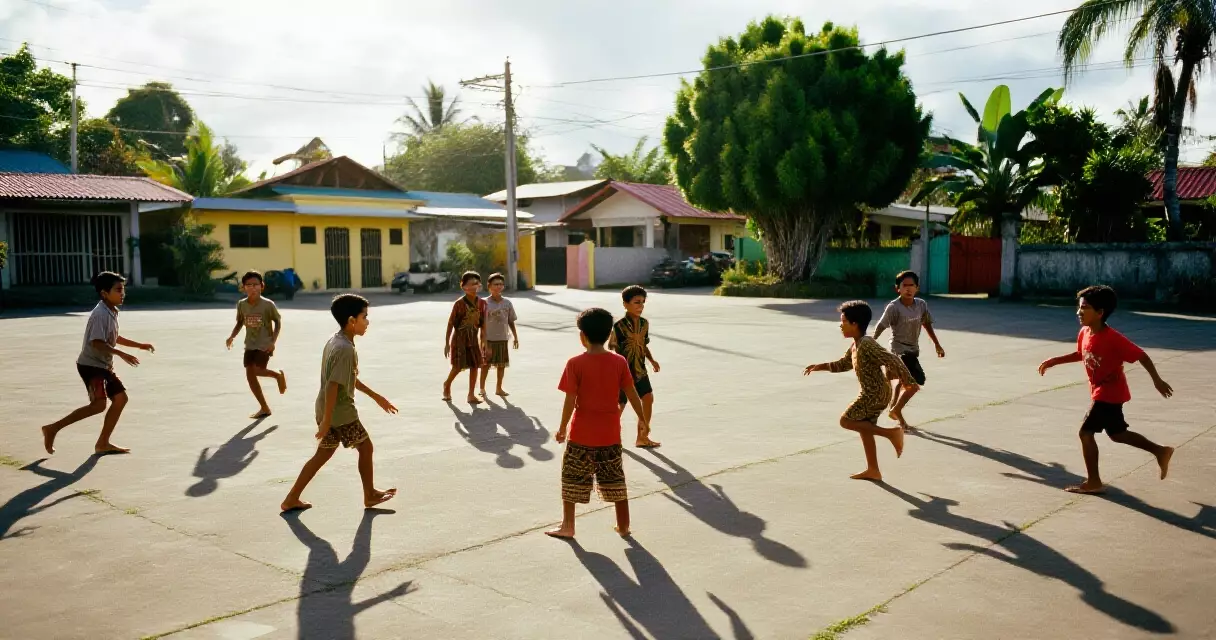
In Western Visayas, traditional toys are usually referred to by their general Filipino or Hiligaynon name. The native games of the Ilonggo region are similar to well-known traditional games throughout the Philippines but have their own cultural color. Here are some of the most famous traditional games called in Hiligaynon:
- Patintero — also known as hampang patintero; one of the most famous children’s games throughout the Philippines, including communities in Iloilo and Western Visayas
- Tumbang Preso — also known among Ilonggo gamer families; a game where one attempts to knock down a can
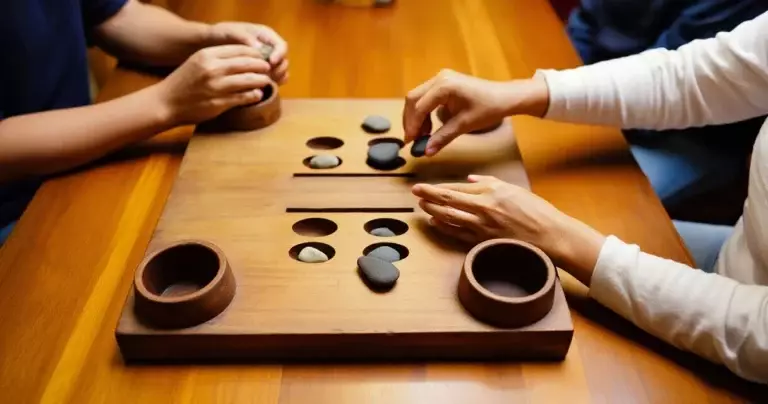
- Balk / Marble Game — balk in Hiligaynon refers to playing with stones or marbles, a popular game in the villages of Western Visayas
- Dampa / Siyato — games with wood and sticks are widespread in the rural communities of Iloilo and Negros Occidental
- Piko — the classic hopscotch also known to Ilonggos and also called piko, similar to the Filipino name
How to Use Game in Ilonggo in a Modern Gaming Context
In the era of mobile and online gaming, many Ilonggo gamers use their own language when communicating with their peers. The word hampang has naturally transitioned into the modern context of video games and mobile gaming. For Filipino gamers from Western Visayas, here are practical examples of using the word game in Ilonggo:
| Gaming Situation | Way of Saying in Filipino | Equivalent in Ilonggo / Hiligaynon |
|---|---|---|
| Invite a friend to play | “Tara, maglaro tayo!” | “Tara, maghampang kita!” |
| Ask where to play | “Saan tayo maglalaro?” | “Diin kita maghampang?” |
| Call a playmate / companion | “Kalaro ko” | “Kahampang ko” |
| Competition or tournament | “Torneo / Paligsahan” | “Indis” |
| Toy / play area | “Palaruan” | “Hampangan” |
| Playing (loud/noisy) | “Noisy playing” | “Dogsing” |

The Hiligaynon and the Culture of Play in Western Visayas
The culture of play in Western Visayas is deeply rooted in the daily lives of the Ilonggos. Based on the University of Hawaii at Manoa ScholarSpace which has studies on Hiligaynon, the language possesses a rich vocabulary for various forms of social interaction and activity, including play and sports.
Currently, Iloilo City is one of the most active cities in the Philippines when it comes to gaming events and esports. Ilonggo gamers actively participate in online and offline tournaments, and the word indis (competition) in Hiligaynon shows that it has long been part of their gaming culture. In local online communities and Facebook groups of gamers in Iloilo and Western Visayas, you can often see a mix of Filipino, Hiligaynon, and English in their discussions about games.
“The word hampang in Hiligaynon is not just a translation of the word game — it is a reflection of the cultural understanding of the Ilonggos on the importance of recreation, competition, and community involvement.”
Game in Ilonggo for Gamers: Practical Phrases and Expressions
For Filipino gamers who want to learn some Ilonggo gaming phrases, or for Ilonggo gamers looking for ways to connect their language to the gaming world, here are essential phrases. Whether it’s for the most popular mobile games in the Philippines or for traditional games in the village, these expressions are useful:
- Maghampang kita! — Let’s play!
- Makinghampang siya — He/She is playful
- Hampangí ang bata — Play with the child
- Nagahámpang sila sa hampangan — They are playing in the playground
- Indis kita! — Let’s compete!
- Sino ang imo kahampang? — Who is your playmate/teammate?
Difference Between Hampang, Dagyang, and Other Words for Game in Ilonggo
Like Filipino with “laro,” “laruan,” and “palaro,” Hiligaynon has several words that can be used for different aspects of play. According to Gelhmo’s Deep Hiligaynon Words, the word dagyang is a rarer word for playing — it can be used in a deeper or poetic context. An example: Ang mga bata ay dinagyang dason ang gina obra pag abot halin sa skwelahan (“The children immediately played upon arriving from school”).
The difference between these words demonstrates the proficiency of the Ilonggo/Hiligaynon language in expressing different types and qualities of play. For language learners or players who want to better understand the gaming culture of Western Visayas, knowing these nuances is important. The games in the Philippines 2026 showcase a broader context of how the tradition of play becomes part of modern life in various regions.
“In the Hiligaynon language, having multiple words for play — hampang, dagyang, dogsing, indis — is proof that the culture of games is deeply embedded in the hearts of the Ilonggos.”
Frequently Asked Questions (FAQ)
What is the word for “game” in Ilonggo or Hiligaynon?
The primary word for “game” in Ilonggo or Hiligaynon is hampang. According to the Hiligaynon Pinoy Dictionary, hampang encompasses meanings such as sport, play, frolic, recreation, and game. Its verb form is maghampang which means “to play.”
How do I say “Let’s play!” in Ilonggo?
“Let’s play!” in Ilonggo is Maghampang kita! The word kita in Hiligaynon is equivalent to “tayo” in Filipino. If you want to invite another person to play, say Maghampang kita! for a more natural Ilonggo way of speaking.
What is the Ilonggo word for “playmate” or “companion in play”?
The word kahampang is used in Hiligaynon for “playmate” or “companion in play.” It is derived from the root word hampang with the prefix ka- indicating companionship or association. In the context of team gaming, you can call your teammates mga kahampang.
What is the difference between “hampang” and “indis” in Ilonggo?
Hampang is a general word for play or game, while indis is specifically used for competition, tournament, or formal contest. Based on the Hiligaynon-English Dictionary, indis encompasses meanings like “competition, contest, tournament, and play against.” Thus, a casual game is hampang, but an official tournament is more appropriately called indis.
How many people speak Ilonggo / Hiligaynon in the Philippines?
Hiligaynon or Ilonggo is one of the major languages of the Philippines, primarily spoken in Western Visayas, including Iloilo, Negros Occidental, Capiz, and Antique. Based on information from Wikipedia and academic studies on Austronesian languages, it is one of the large languages of the Philippines with millions of speakers across the country and in the diaspora.
Are there special Ilonggo words for video games or mobile games?
Currently, most technical terms in video gaming (such as “rank,” “meta,” “hero,” “mobile legends”) are used in English even in Ilonggo conversations. However, the words hampang (game), indis (competition/match), and kahampang (teammate/playmate) are naturally used by Ilonggo gamers in their daily conversations. For a broader view on gaming trends, check out our article on MLBB Meta 2026.
Summary: Game in Ilonggo and the Rich Tradition of Play in Western Visayas
Understanding the word game in Ilonggo opens the door to a deeper appreciation of the culture and language of the Ilonggos. The hampang as the primary equivalent of “game” is not a simple translation but a word full of cultural meaning that encompasses play, sports, recreation, and competition. The rich vocabulary of Hiligaynon for play, from hampangan (playground) to indis (competition), highlights the long tradition of games and community involvement in Ilonggo society.
For Filipino gamers from Western Visayas, or for anyone wanting to learn Ilonggo, knowing these words provides a deeper connection to the language and culture. And for those wanting to learn more about gaming culture in the Philippines, here are some suggested readings from our collection.
Sources
- Visayan-English Dictionary (Hiligaynon Dictionary, Kaufmann) — retrieved on August 6, 2026
- English-Hiligaynon Dictionary (Anonymous) — retrieved on August 6, 2026
- Wikipedia: Hiligaynon language — retrieved on August 6, 2026
- Hiligaynon Pinoy Dictionary: Hampang — retrieved on August 6, 2026
- Hiligaynon-English Dictionary (Brooklyn Friends) — retrieved on August 6, 2026
- 30 Deep/Uncommon Hiligaynon Words – Gelhmo — retrieved on August 6, 2026
- University of Hawaii at Manoa ScholarSpace: Hiligaynon Studies — retrieved on August 6, 2026