Summary
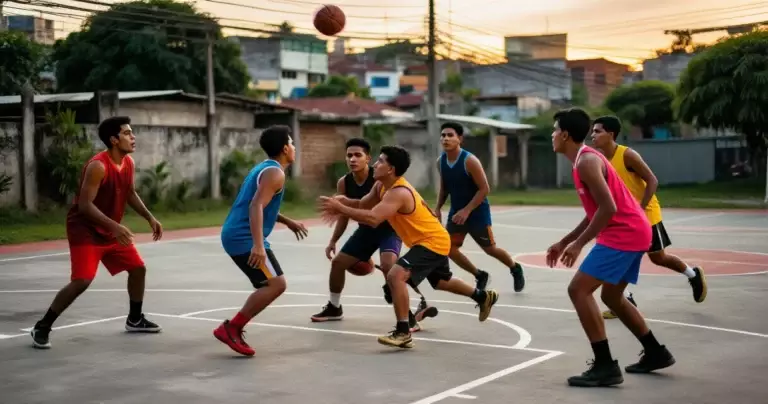
When you search for the equivalent of the word game in Cebuano or Bisaya, the most accurate and closest answer is dula. The topic of game in Cebuano is more than just a simple translation of a word: it is...
Table of contents
- 1 What does game in Cebuano mean?
- 2 Cebuano as a language: the context of game in Cebuano
- 3 “Game” vs. “dula”: the difference in Tagalog and Cebuano
- 4 Traditional Bisaya games (dula) to recognize
- 5 Why Bisaya games are changing in 2026
- 6 How Cebuano games are being preserved: schools and festivals
- 7 Practical guide to playing and teaching dula
- 8 Frequently asked questions about game in Cebuano
- 8.1 What is game in Cebuano?
- 8.2 Are “dula” and “laro” the same?
- 8.3 What is the most popular traditional Bisaya game?
- 8.4 Why are fewer people playing traditional dula?
- 8.5 Is the Cebuano language endangered?
- 8.6 How can I teach dula to children?
- 9 Summary: why Bisaya games matter
- 10 References
When you search for the equivalent of the word game in Cebuano or Bisaya, the most accurate and closest answer is dula. The topic of game in Cebuano is more than just a simple translation of a word: it is a glimpse into the rich culture of play among the Bisaya, from street games to the everyday vocabulary of a language spoken by millions of Filipinos. In this guide on June 23, 2026, we will clarify the meaning, proper usage, and cultural significance of this word.
What does game in Cebuano mean?
In Tagalog, we use the word laro; in Cebuano or Bisaya, its equivalent is dula. So if asked what is game in Cebuano, the direct answer is dula for the noun (the game itself) and magdula for the verb (the act of playing). Although the essence is the same, the roots of the two languages are different, so literal translation is not always sufficient.
Here are some of the most common Cebuano words related to playing, compared to Tagalog and English:
| Tagalog | Cebuano (Bisaya) | English |
|---|---|---|
| laro | dula | game / play |
| maglaro | magdula | to play |
| kalaro | kadula / kauban sa dula | playmate |
| laruan | duwaan / dulaan | toy / playground |
| manalo | daog | to win |
| matalo | pildi | to lose |
Cebuano as a language: the context of game in Cebuano
To fully understand game in Cebuano, one must first recognize the Cebuano language itself. According to Encyclopaedia Britannica, Cebuano is spoken by about one-fifth of the population of the Philippines, making it the second largest ethnolinguistic group in the country. It is estimated that over 20 million natives speak it according to Ethnologue data for 2023.
Cebuano is part of the Austronesian (Malayo-Polynesian) family under the Visayan group, and it has long been spoken in Cebu, Bohol, Negros Oriental, Leyte, and much of Mindanao. According to data from the Philippine Statistics Authority (PSA) in 2021, it is also the second most commonly used home language in the entire country.
This is significant for our topic because each traditional game has its own name, shout, and rules in Bisaya. Many Bisaya children today play both street games and mobile games in the Philippines, showing a fusion of old and new forms of play.
| Aspect | Details | Reference |
|---|---|---|
| Language family | Austronesian (Malayo-Polynesian), Visayan | Britannica |
| Main region | Central Visayas and Mindanao | Britannica |
| Writing system | Latin alphabet | Kiddle |
| UNESCO status | “Safe” (not endangered) | UNESCO |
“Game” vs. “dula”: the difference in Tagalog and Cebuano
Language learners often mistakenly think that the word laro is also used in Bisaya. But in common Cebuano, dula is the correct usage. For example, “let’s play” becomes “magdula ta” in Bisaya. This difference is why it is important to study the context, not just the word.
In Cebuano, you don’t “play” — you “dula,” and each game has an indigenous history.
There are also different varieties of Cebuano, such as Standard Cebuano (Cebu City), Boholano, and Davaoeño, but speakers of these can still understand each other. According to the reference of the Cebuano language, the language is written using the Latin alphabet, making it easy to learn the words for games even for beginners.
For a deeper study, detailed documentation of the language can be found in the research of the Linguistic Data Consortium of the University of Pennsylvania.
Traditional Bisaya games (dula) to recognize
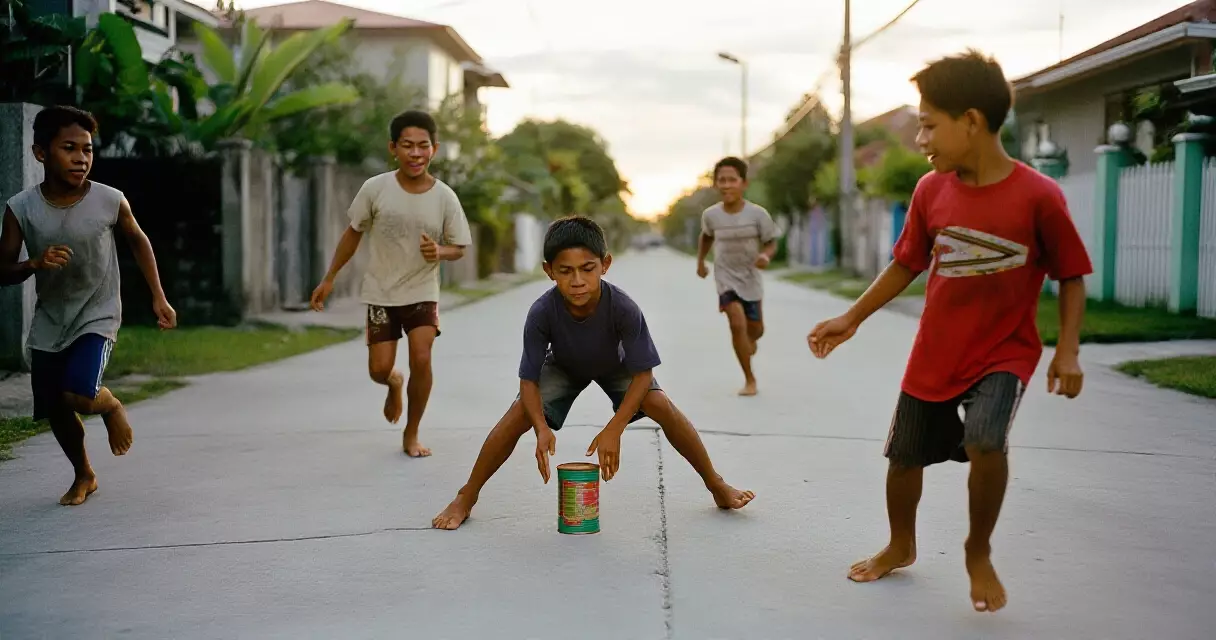
The clearest example of game in Cebuano is the traditional street games played by generations of Bisaya children. These usually require no expensive equipment; just stones, cans, slippers, or creativity.
| Game | Equipment | How to play |
|---|---|---|
| Tumbang preso | Can and throwing object (slippers) | Knock down the standing can while it is guarded by the “it” |
| Patintero | Lines on the ground | Pass through the guards on the line without getting caught |
| Tagu-taguan | None | Hide while the “it” searches |
| Dakop-dakop (tag) | None | Chase and catch the playmates |
| Bahay-bahayan | Improvised materials | Role-play real family life |
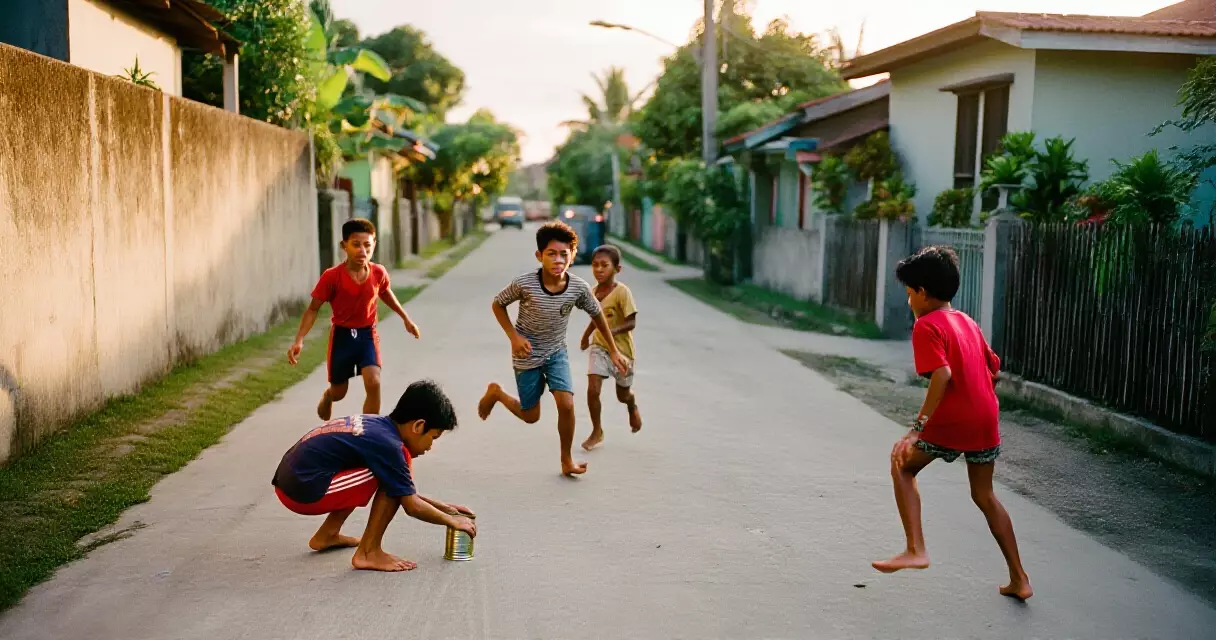
Many of these games teach cooperation, speed, and strategy, which is why cultural experts admire their value in child development.
Why Bisaya games are changing in 2026
In 2026, there is a noticeable shift in children’s attention from street games to digital games. Online and mobile games now dominate the playtime of the youth, especially in urban areas.
This is not necessarily bad, but it affects the continuity of traditional games. For example, the continuous change of the MLBB meta 2026 shows how quickly interest in competitive games can grow compared to quieter folk games.
The challenge in 2026 is not choosing between dula and digital, but finding a balance between the two.
How Cebuano games are being preserved: schools and festivals
In response, steps are being taken to preserve traditional games. According to programs of the Department of Education (DepEd), traditional games are gradually being included in the Physical Education and MAPEH curriculum.
These games are also seen in festivals and cultural events. Like the spirit of conventions such as the Good Game Con 2026, local fiestas combine old and new forms of play for the community.
Practical guide to playing and teaching dula
For parents and teachers who want to pass on the culture of game in Cebuano to the next generation, here are some simple steps:
- Start with vocabulary: teach words like dula, magdula, and daog.
- Choose a game that requires no equipment like hide and seek to easily try anywhere.
- Make street games a family activity on weekends.
- Document and share the games on social media to maintain youth interest.
- Link traditional games to modern games to keep them interesting.
Frequently asked questions about game in Cebuano
What is game in Cebuano?
The equivalent of the word “game” in Cebuano or Bisaya is “dula.” “Magdula” is used as a verb, meaning the act of playing.
Are “dula” and “laro” the same?
They have the same meaning but different language origins. “Laro” is Tagalog, while “dula” is Cebuano. In common Bisaya conversation, “dula” is used.
What is the most popular traditional Bisaya game?
Among the most well-known are tumbang preso, patintero, hide and seek, and tag. These usually require no expensive equipment and are played outdoors.
Why are fewer people playing traditional dula?
The main reason is the growth of digital and mobile games. However, there are school programs and local fiestas that help preserve them.
Is the Cebuano language endangered?
No. UNESCO classifies Cebuano as “safe” or not endangered, as millions still actively speak it across generations.
How can I teach dula to children?
Start with simple vocabulary, choose a game that requires no equipment like hide and seek, and make outdoor play a regular family activity.
Summary: why Bisaya games matter
In conclusion, the answer to the question of what is game in Cebuano is simple: it is dula. But the true value lies in the culture behind the word.
- The “game” in Cebuano or Bisaya is “dula,” and “magdula” is its verb.
- Over 20 million natives speak Cebuano according to Ethnologue 2023.
- Traditional games include tumbang preso, patintero, and hide and seek.
- UNESCO classifies the Cebuano language as “safe.”
- Schools and local fiestas help preserve these games.
As the local gaming scene continues to grow, such as the entry of Honor of Kings in the Philippines, it remains important to value our traditional dula as part of Filipino identity.
References
- Encyclopaedia Britannica: Cebuano language — accessed on June 23, 2026
- University of Pennsylvania: Linguistic Data Consortium, Cebuano — accessed on June 23, 2026
- Kiddle: Cebuano language facts — accessed on June 23, 2026