
Summary
Whenever the two words "let's play," are heard, it immediately opens an invitation, from a child calling for a playmate on the corner to a group of friends waiting for a ranked match at night. But more than just a...
Table of contents
- 1 What Does “Let’s Play” Mean in Filipino Culture?
- 2 A Brief History of Games in the Philippines
- 3 Why Let’s Play is Mobile-First Today
- 3.1 What You Need to Start on Mobile
- 4 Types of Games You Can Try When You Say Let’s Play
- 4.1 How to Choose the Right Game for Your Time
- 5 Let’s Play as Culture and Community
- 6 Games, Education, and Child Health
- 7 Online and Competitive Games: Let’s Play at the Esports Level
- 7.1 Difference Between Casual and Competitive Gaming
- 8 Practical Guide: How to Start Right
- 9 Safe and Healthy Gaming: Things to Remember
- 10 Frequently Asked Questions About Let’s Play
- 10.1 What does let’s play mean?
- 10.2 Why is mobile gaming more popular in the Philippines?
- 10.3 Are traditional Filipino games still alive in 2026?
- 10.4 Can gaming be a career?
- 11 Summary and Key Lessons
- 12 References
Whenever the two words “let’s play,” are heard, it immediately opens an invitation, from a child calling for a playmate on the corner to a group of friends waiting for a ranked match at night. But more than just a simple invitation, let’s play is a picture of the entire gaming culture in the Philippines in 2026, where traditional street games, board games, mobile titles, and online esports are combined into one space. In fact, the project “Tara, Laro Ta(y)o” by the Cultural Center of the Philippines showed how the spirit of play remains alive through six dance films inspired by traditional Filipino games, proving that playing is not just entertainment but part of our identity.
In this guide prepared on June 19, 2026, we will delve into what let’s play truly means in the context of modern Filipinos, why mobile-first gaming prevails, how it becomes the center of the community, and how anyone interested can start safely and enjoyably. The goal is clear: to provide you with practical and reliable guidance, not just hype.
What Does “Let’s Play” Mean in Filipino Culture?
In its simplest definition, let’s play is the Filipino way of saying “let’s play.” However, this phrase carries a weight that cannot be explained by an exact English translation. Let’s play is an invitation that always comes with camaraderie, companionship, and connection. It’s not always about winning. Often, it’s about coming together, laughing, and creating memories with family, friends, or even new acquaintances.
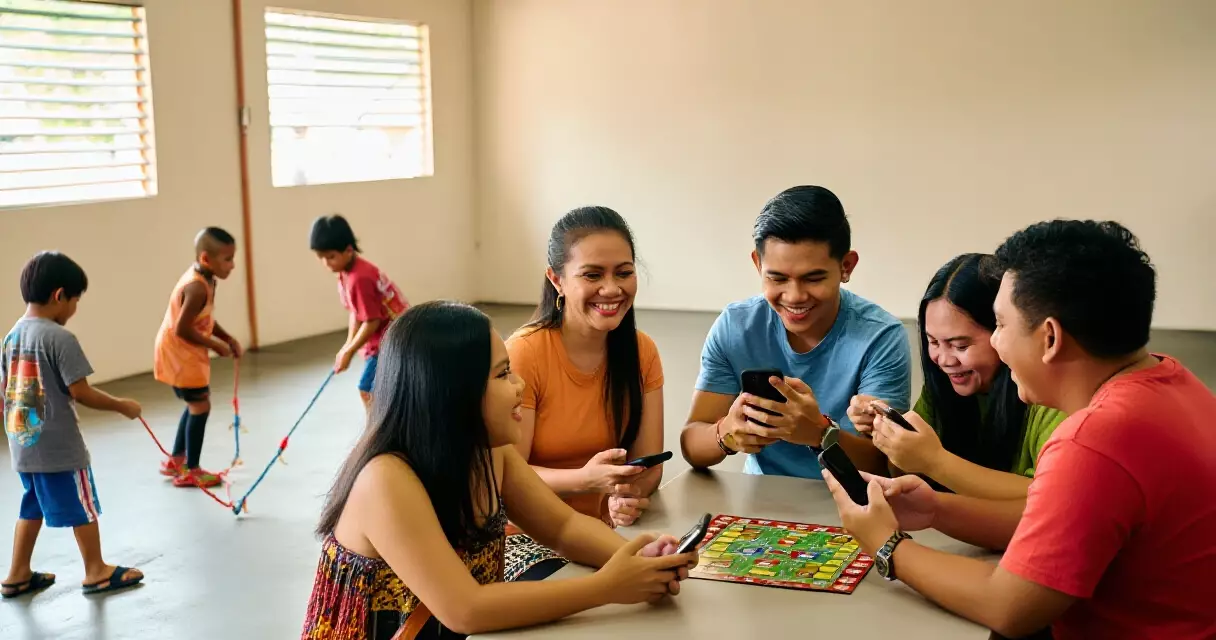
In contemporary Philippines, let’s play encompasses three interconnected worlds. First, traditional games like patintero, tumbang preso, luksong tinik, and piko, usually played outdoors. Second, casual and social games like board games, card games, and party games prevalent in game cafes. Third, the digital realm of mobile and online games, which is the fastest-growing. These three are not competitors. Instead, they are increasingly merging in 2026 towards what is called a hybrid play culture.
It’s essential to understand that let’s play as a concept focuses on the experience of playing, not just on a particular game. This is why the same two words are used by a mother inviting her child to play outside and by a gamer inviting a squad for a mobile match. The core message is the same: join us, let’s play.
A Brief History of Games in the Philippines
Playing has long been rooted in Filipino society even before any screen arrived. Street games like patintero and tumbang preso are passed down from one generation to the next, often without written rules, as children learn through watching and participating. Cultural institutions, including the Cultural Center of the Philippines, have documented these games as an essential part of Filipino heritage.
The significant change began with the arrival of arcades and consoles in the late 20th century, but the real transformation in gaming in the Philippines came with the proliferation of affordable smartphones and mobile data in the 2010s. From internet cafes, which were the center of online gaming, most shifted to the palm of their hands. Now in 2026, this history is coming full circle: there is renewed interest in traditional games as a response to excessive screen time, while cultural projects actively revive these games. To better understand this stage of history, it helps to examine how types of games have evolved over the decades.
Why Let’s Play is Mobile-First Today
If asked where let’s play most often happens in 2026, the answer for most Filipinos is on mobile. There is a clear reason for this. According to digital connectivity indicators from the World Bank, mobile broadband access is higher and more widespread than fixed broadband in the Philippines, making the smartphone the most practical gateway to gaming for the majority. There’s no need for an expensive PC or console. An affordable phone and data are enough.
This is further strengthened by demographics. Based on the 2020 Census of the Philippine Statistics Authority, almost half of the Philippine population is aged 0 to 19, the very segment that quickly embraces mobile and online play. In short, the country is young, and these young people have grown up with a phone in hand. The result is a large player base inclined towards accessible and free games.
It’s no surprise that free and lightweight mobile titles lead in acceptance. The ongoing shift in player interests can be seen in the list of most downloaded mobile games in the country, showing how new ones continue to emerge while long-standing favorites remain strong.
What You Need to Start on Mobile
- A smartphone with enough storage and a clean internet connection
- Stable Wi-Fi or mobile data, especially for real-time or online multiplayer games
- An official app store account for safe downloads
- Earphones for clearer communication in team-based games
Types of Games You Can Try When You Say Let’s Play
One of the best parts of let’s play today is the abundance of choices. There is no single right game. What matters is that it matches your time, budget, and group. Here is a clear comparison of the main categories of games you can choose from, along with the expected setup and ideal situation for each.
| Type of Game | Example | Requirements | Best Suited For |
|---|---|---|---|
| Traditional street games | Patintero, tumbang preso, luksong tinik | Open space, playmates | Family, children, barangay events |
| Board and card games | Tabletop, party card games | Table, 2 to 8 players | Friends, game cafe night |
| Casual mobile games | Puzzle, hyper-casual | Smartphone, minimal data | Solo play, short breaks |
| Online multiplayer | MOBA, battle royale | Stable internet, team | Competitive players |
| PC and console | RPG, story-driven games | PC or console | Hardcore enthusiasts |
For those seeking a more serious online experience, competitive mobile titles are often the first step. The MOBA genre, for example, constantly changes its balance or meta, so understanding why character win rates change is a great help. You can find such analysis in the discussion on the MLBB meta in 2026, explaining how updates affect gaming strategies.
How to Choose the Right Game for Your Time
A common mistake for beginners is choosing a game that doesn’t match their actual free time. If you only have a 15-minute break, a game that requires a 40-minute match isn’t practical. Here’s a simple way to weigh:
- Short time (5 to 20 minutes): casual puzzle or hyper-casual mobile games
- Moderate time (20 to 60 minutes): board games or one round of online multiplayer
- Long sessions (over an hour): story-driven RPG or ranked grind
Let’s Play as Culture and Community
One of the most evident changes in 2026 is viewing gaming as culture, not just entertainment. Let’s play has gone beyond solo play. Now, it’s about community: tournaments, conventions, cosplay, streaming, and community meetups that grow year after year. Gaming has become a social glue that binds people from different backgrounds but with a common interest.
The strength of community-based gaming is evident in the number of events held across the country. Conventions like those seen at Good Game Con 2026 gather thousands of players for cosplay, tournaments, and meet-ups, a clear testament that let’s play is also an invitation to a larger community, not just a few friends.
These gatherings are not far from the spirit of traditional games in the past, where the entire barangay would come together in the plaza. The only difference now is the wider reach. A player in the province can play or connect with fellow Filipinos in other parts of the world through online platforms.
Besides gaming-specific conventions, hybrid pop-culture events that combine gaming, anime, comics, and other fandoms are also growing. Guides like the one for Geek Pop PICCS and Resbak 2026 show how gaming has become a cultural center in urban cities, a space where let’s play truly thrives.
Games, Education, and Child Health
Not all games are about competition or entertainment. According to materials from UNICEF Philippines, play is an essential part of child development, as it teaches social interaction, problem-solving, and emotional skills. From this perspective, let’s play is not a waste of time but an investment in a child’s growth.
The Department of Education also recognizes the value of play-based learning and physical education in basic education. Games that involve movement, strategy, and collaboration are considered learning tools, not just breaks from class. This is why some schools are bringing back traditional games as part of student activities.
It’s important to mention balance. While there are benefits to playing, there are also issues of appropriate time and age. Child development experts repeatedly emphasize that the best results are achieved when there is adult guidance and healthy screen time limits. Not all games are suitable for all ages, and this is a reality that every family must accept.
Online and Competitive Games: Let’s Play at the Esports Level
For many, let’s play has reached a competitive level. Esports in the Philippines is now a recognized sector with organized leagues, professional teams, and international representation. What was once casual gaming has become a career for some select players, with community and industry support.
The growth of international tournaments has paved the way for Filipino teams to compete on the global stage. Stories like the qualification of Filipino teams in major international competitions, as discussed in the guide to the Esports World Cup 2026, inspire a new generation of players to dream of professional gaming.
The role of major publishers in the growth of the scene is undeniable. The arrival and expansion of new titles in the local market, as documented in the launch event of Honor of Kings in BGC, add options for players and strengthen the competitive field. The result is a more vibrant ecosystem where innovation continues.
Difference Between Casual and Competitive Gaming
| Aspect | Casual Game | Competitive Game |
|---|---|---|
| Purpose | Entertainment and relaxation | Winning and ranking |
| Time commitment | Flexible | Regular practice |
| Play style | Relaxed | Strategic and disciplined |
| Community | Friends and family | Team, coach, league |
| Potential earnings | None or minimal | Prizes and sponsorships |
There is no superior type between the two. What matters is knowing what you want. For most, casual let’s play is enough for happiness. For a few determined individuals, the path of competition is open and offers real opportunities in 2026.
Practical Guide: How to Start Right
If you’re a beginner and want to dive into the world of gaming, here is a simple step-by-step guide based on the experiences of many Filipino players. The key is to start slowly and not spend big right away.
- Know your goal. Do you want to relax, socialize with friends, or compete? This is where it all begins.
- Start with free or affordable games. There’s no reason to spend right away before you know if you really like a genre.
- Join a community. It’s faster to learn when you can talk to other players who already know the mechanics.
- Set a time. Decide how long you will play before starting, so you don’t overuse your time.
- Check your setup. Ensure your device and connection are sufficient for the game you want to try.
For parents who want to invite let’s play with their children, it’s good to start with traditional games or educational titles before moving to online multiplayer. This provides a solid foundation of camaraderie before entering a more competitive field.
Safe and Healthy Gaming: Things to Remember
The rich world of gaming comes with responsibility. In the era of widespread online play, there is growing attention to digital well-being, child safety, and a healthy balance in screen time. These issues are emphasized by organizations like UNICEF Philippines in their ongoing advocacy for youth welfare.
Here are some practical guidelines to ensure that the let’s play experience remains positive:
- Set clear playtime limits and stick to them, especially for children
- Be cautious about sharing personal information on online platforms
- Ensure the game is age-appropriate, based on official ratings
- Take regular breaks to avoid eye strain and hand fatigue
- Maintain a balance between online and offline activities
Internet safety also depends on the quality of connection and infrastructure. The National Telecommunications Commission is the primary agency overseeing connectivity in the country, which directly affects the online gaming experience, from speed to signal stability. A clean connection is not only about better gaming but also a safer experience.
Frequently Asked Questions About Let’s Play
What does let’s play mean?
Let’s play is the Filipino way of saying “let’s play.” It’s an invitation to play, which can refer to traditional street games, board games, or modern mobile and online games. More than a direct translation, it symbolizes camaraderie and companionship in Filipino culture.
Why is mobile gaming more popular in the Philippines?
Based on digital indicators from the World Bank, mobile broadband access is more widespread than fixed broadband, making the smartphone the most practical gateway to gaming. Additionally, the country’s young demographics quickly embrace mobile games.
Are traditional Filipino games still alive in 2026?
Yes. According to cultural projects by the Cultural Center of the Philippines, traditional games continue to be lived and remembered through arts, dance films, and community events, especially as a response to excessive screen time.
Can gaming be a career?
Yes, for a few determined individuals. Esports in the Philippines has organized leagues, professional teams, and international representation in 2026, with opportunities for prizes and sponsorships.
Summary and Key Lessons
Let’s play is more than just a simple invitation to play. It is a picture of Filipino culture that combines the past and present, traditional and digital, solo and community. On June 19, 2026, gaming in the Philippines is at a vibrant stage where street games, mobile titles, and competitive esports come together in one expansive space.
- Let’s play encompasses traditional, casual, and online games, all merging into a hybrid play culture
- Most are mobile-first due to broader mobile access and the country’s young demographics
- Gaming is becoming a community center through conventions, tournaments, and events
- Games benefit education and child development, but balance and guidance are needed
- Safe and healthy gaming should always be a priority, regardless of age or type of game
So the next time you hear these two words, remember that they come with a wealth of culture, connection, and choice. Whatever your age, budget, or skill level, you have a place in the world of gaming. Come on, let’s play.
References
- Cultural Center of the Philippines — Tara, Laro Ta(y)o — retrieved on June 19, 2026
- Philippine Statistics Authority — retrieved on June 19, 2026
- World Bank — Philippines — retrieved on June 19, 2026
- UNICEF Philippines — retrieved on June 19, 2026
- Department of Education — retrieved on June 19, 2026
- National Telecommunications Commission — retrieved on June 19, 2026