Summary
How do cosplay, panels, and gaming booths work at Philippine conventions? For many Filipino gamers and fans, a convention is one of the most exciting experiences of the year — but for newcomers, the entire setup can be confusing. In...
Table of contents
- 1 The Three Main Components of a Philippine Convention
- 2 A Brief History: How Convention Culture Grew in the Philippines
- 3 How Cosplay Works in a Convention Setting
- 3.1 Open Cosplay Participation
- 3.2 Cosplay Competition Mechanics
- 3.3 Convention Rules for Cosplayers
- 4 How Panels Work at Philippine Conventions
- 4.1 Types of Panels
- 4.2 How to Choose Which to Attend
- 5 How Gaming Booths Work on the Convention Floor
- 5.1 Types of Gaming Booths
- 5.2 How to Interact with Gaming Booths
- 6 How Convention Logistics Work: A Practical Guide
- 7 What to Bring and Do at the Convention
- 8 Comparison of Major Philippine Convention Events
- 9 Frequently Asked Questions (FAQ)
- 9.1 Do I need a special ticket to enter panel rooms?
- 9.2 How can I apply for a gaming booth as a vendor?
- 9.3 Can I bring any props to the convention?
- 9.4 How much does a typical convention day cost?
- 9.5 Is it safe to attend a convention alone?
- 9.6 What is the etiquette for taking photos of cosplayers?
- 10 Key Points: Guide Summary
- 11 References
How do cosplay, panels, and gaming booths work at Philippine conventions? For many Filipino gamers and fans, a convention is one of the most exciting experiences of the year — but for newcomers, the entire setup can be confusing. In reality, each convention is composed of three distinct systems working together: cosplay as a participatory art form and entertainment layer, panels as structured knowledge and community programming, and gaming booths as interactive brand and commerce space. Understanding how cosplay, panels, and gaming booths work at Philippine conventions will give you the right expectations before you go and maximize your experience at the event.
The Three Main Components of a Philippine Convention
Philippine conventions like Cosplay Mania, Philippine Toycon, Geek+Pop, and Good Game Con are not just simple fandom gatherings. Each event consists of three distinct operational layers with their own logistics, rules, and audience. The cosplay layer is the most visible: these are the dressed-up attendees and cosplay competitors who give visual identity to the entire event. The panel layer is the programming backbone of the convention — structured sessions where speakers, content creators, and industry professionals give talks, Q&As, and workshops. And the gaming booth layer is the commercial and experiential core: these are the brand activations, indie developer demos, and vendor tables where attendees transact.
A Brief History: How Convention Culture Grew in the Philippines
According to an educational presentation archived on Scribd, cosplay as a concept began in Japan in 1978 as “kosupure” — a portmanteau of “costume” and “play” — within anime conventions. In 2000, it was officially introduced in the Philippines through anime-focused events that grew from small gatherings to large multi-hall conventions. From simple anime viewing parties, the Philippine convention scene has become one of the most vibrant in Southeast Asia, now also encompassing gaming expos, pop culture festivals, and esports showcase events.
How Cosplay Works in a Convention Setting
According to Spin.ph, cosplay is an art form that showcases the creativity and craftsmanship of role-players. Within a Philippine convention, cosplay operates on two levels: as free and open participation for all attendees, and as a structured competition with its own mechanics and guidelines.
Open Cosplay Participation
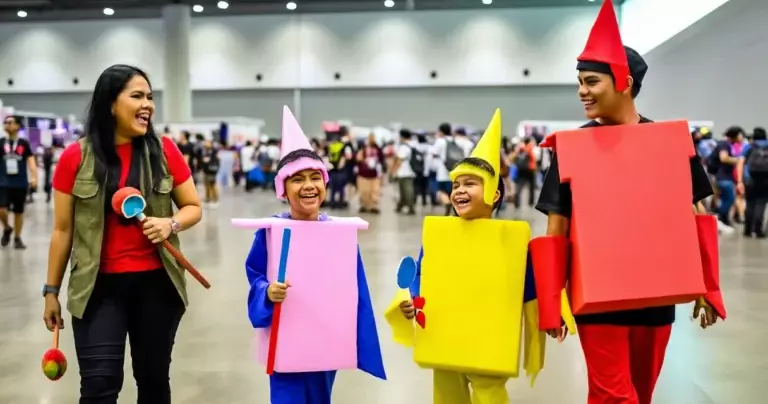
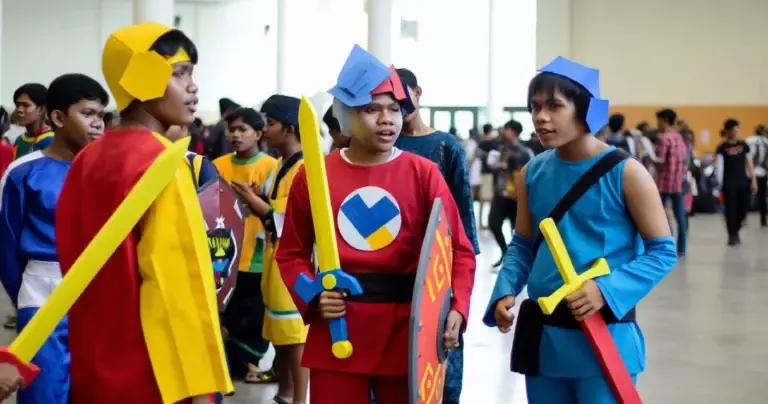
Any attendee can cosplay without joining the competition. The convention floor itself becomes the stage — you can pose for those who want to take photos, join impromptu gatherings of cosplayers from the same fandom, or explore the convention hall while in full costume. This is the most accessible level of cosplay participation and requires no registration or fee other than the event ticket.
Cosplay Competition Mechanics
For serious cosplayers, the competition area is the heart of the convention. Based on the published mechanics of Philippine Toycon Cosplay Mechanics and Guidelines, competitions typically have a registration process before the event, a category system based on age and skill level (rookie, veteran), and judging criteria covering craftsmanship, stage presence, and overall presentation. Finalists perform on the main stage in front of judges and the audience before winners are announced. It’s important to know the specific mechanics of each event as rules change with each convention brand.
Convention Rules for Cosplayers
Many Philippine conventions have strict rules for cosplayers — especially regarding props and mobility. Based on convention survival guidance published by First Stop Cosplay, wheeled accessories like roller skates and skateboard platforms are often prohibited on the venue floor due to safety concerns. Prop inspection is usually conducted at the convention entrance, where security ensures no real weapons or dangerous materials are in the props brought in.
How Panels Work at Philippine Conventions
Panels provide educational and community depth to a convention. They are not just lectures — panels are various types of structured sessions designed for different audiences and purposes. For those wanting to know how cosplay, panels, and gaming booths work at Philippine conventions, understanding the different types of panels is critical.
Types of Panels
Based on the usual programming structure of Philippine conventions, panels are divided into several categories. Talk panels are presentations by a speaker or group on a specific topic — from cosplay crafting techniques to game development. Q&A panels are sessions where attendees can directly ask questions to guests — content creators, game developers, or celebrity cosplayers. Workshop panels are hands-on sessions where attendees learn a skill such as wig styling or armor fabrication. And showcase panels are presentations by developers or publishers for their new products or updates.
How to Choose Which to Attend
According to the convention survival guide by First Stop Cosplay, researching the convention schedule is critical to maximizing the experience. The full programming schedule is usually released one to two weeks before the event on the organizer’s official website or social media. The guide suggests identifying must-see panels and workshops before attending, and planning buffer time between sessions as hallways can be crowded between panel rooms.
“A panel is not a classroom lecture — it is a direct connection to people working in the industry or community you love.”
For Filipino gamers interested in gaming panels and esports showcases at local events, check out our coverage of Good Game Con 2026 Highlights to see how organizers plan their gaming-focused programming.
How Gaming Booths Work on the Convention Floor
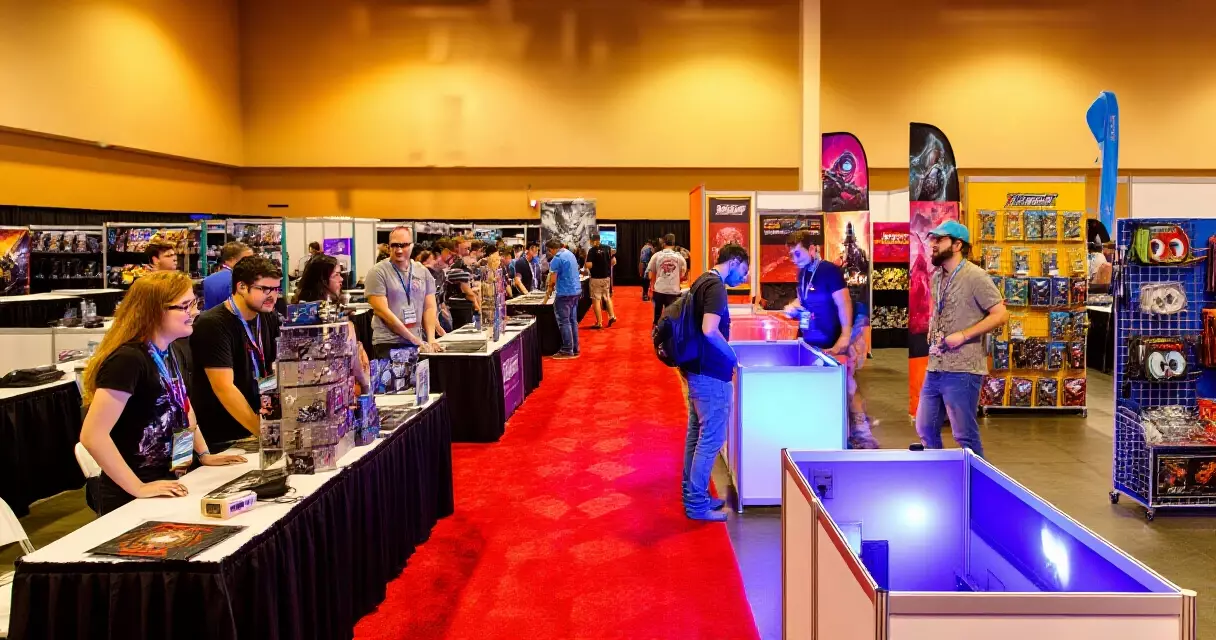
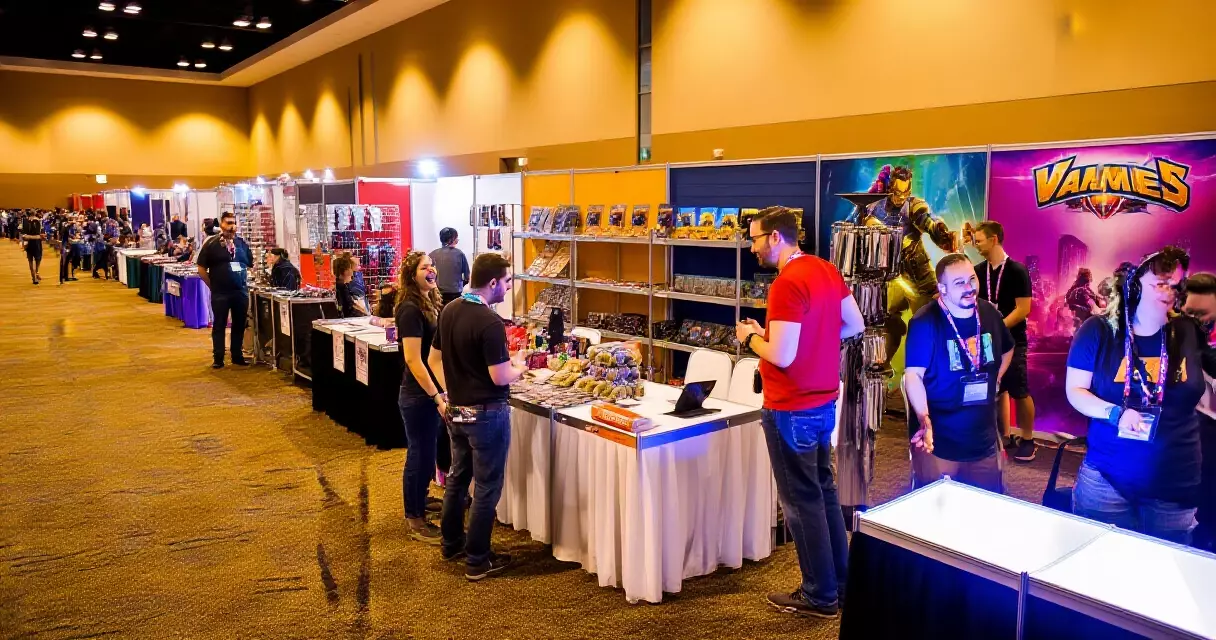
Gaming booths are the commercial and experiential heart of most Philippine conventions. They are not just simple display tables — a gaming booth is a multi-function space that acts as a brand activation area, demo station, sales point, and community hub all at once.
According to a Filipino YouTube guide on selling at cosplay and anime conventions, the most important decision for a booth operator is choosing the right event. The event’s audience must match the product being sold — for example, a booth selling mobile gaming accessories is more suited to a gaming-focused convention than a purely anime event. For a deeper understanding of the local gaming tournament ecosystem often happening within gaming booth areas, read our guide on MLBB Hero Revamp Meta 2026.
Types of Gaming Booths
Not all gaming booths are the same. Brand activation booths are run by large game publishers or peripheral brands (such as gaming chair brands, headset manufacturers, or mobile game publishers) offering free demos, giveaways, and photo opportunities for brand awareness. Indie developer booths are smaller and more personal — here you can directly listen to the developer of an indie game while trying out their game. And vendor booths are those selling gaming merchandise, collectibles, figures, art prints, and accessories.
How to Interact with Gaming Booths
At brand activation and demo booths, trying out the game or product is usually free — there may just be a queue. Booth interaction etiquette is simple: try the demo respectfully (demos usually have a time limit at crowded conventions), don’t block the booth for long periods if many are waiting, and don’t hesitate to ask booth staff about the product. At vendor booths, remember that cash is always accepted even if some have card terminals — based on convention tips published on YouTube, card machine connectivity is not always reliable at convention venues.
How Convention Logistics Work: A Practical Guide
Understanding the structure of a convention is one thing — actually navigating the event is another challenge. Here is a comparison table of the three main convention activities to clarify the differences between each.
| Element | Cosplay | Panels | Gaming Booths |
|---|---|---|---|
| Participation | Open to all attendees | Room capacity is limited | Open to all; queues for demos |
| Registration | Required for competition only | Usually walk-in; some have pre-reg | Not required for attendees |
| Cost | Included in event ticket; competition entry fee separate | Free for most; workshops may have fees | Demos are free; items for sale |
| Schedule | Competition has fixed time; free cosplay anytime | Listed in convention schedule | Open all day of the event |
| What to Bring | Costume, repair kit, hydration | Note-taking tool, schedule, open mind | Cash, tote bag for purchases |
What to Bring and Do at the Convention
Based on combined advice from the First Stop Cosplay survival guide and Filipino convention tips videos, here are practical things to prepare before attending a Philippine convention.
- For all attendees: Bring water and snacks, comfortable shoes, a portable charger, and enough cash for items at vendor booths.
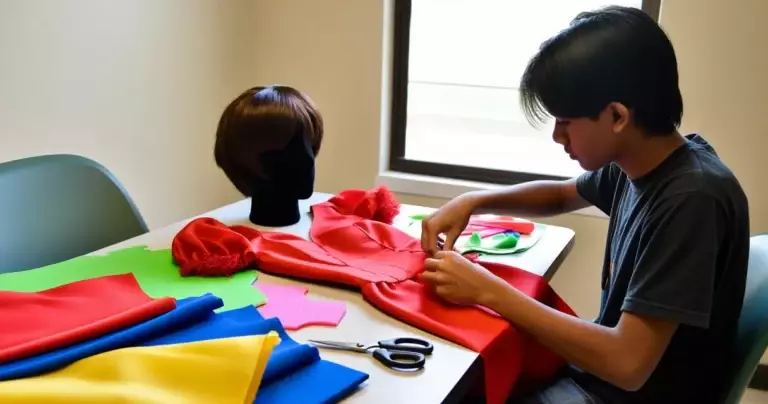
- For cosplayers: Bring an emergency repair kit with safety pins, double-sided tape, and spare accessories. Test the entire costume before the event — including checking if you can go to the restroom while in costume.
- For those attending panels: Download or screenshot the schedule before attending and plan the panels you want to attend along with alternate options if the priority panel room is full.
- For booth sellers: Apply early with the event organizer (booth applications usually open months before the event), bring a backup payment method, and ensure your product is relevant to the event’s audience.
“A convention is a marathon, not a sprint — those who rush to every booth and panel in the first hour are the most exhausted people before noon.”
Comparison of Major Philippine Convention Events
Not all Philippine conventions have the same focus. Here is an overview of well-known event brands and how their approach to cosplay, panels, and gaming booths differ.
| Event | Main Focus | Cosplay Competition | Gaming Presence |
|---|---|---|---|
| Cosplay Mania (Cosplay.ph) | Cosplay and J-culture | Main feature; veteran and rookie categories | Has gaming area; not main focus |
| Philippine Toycon | Pop culture and collectibles | Has; established mechanics | Moderate; vendor-heavy |
| Good Game Con | Gaming and esports | Has cosplay section | Main focus; tournaments and demos |
| Geek+Pop | Mixed pop culture and gaming | Has | Has; gaming booths and sponsors |
For details on gaming events happening within conventions and tournament results, you can also check our coverage of Geek+Pop PICCS and Resbak 2026 for a more specific example of how convention programming is organized.
Frequently Asked Questions (FAQ)
Do I need a special ticket to enter panel rooms?
In most Philippine conventions, access to panel rooms is included in the event’s general admission ticket. However, some special workshops or VIP panels may have additional fees. Always check the convention website before the event to know if there are paid sessions in the schedule.
How can I apply for a gaming booth as a vendor?
Booth applications are usually done through the official website or Facebook page of the event organizer, opening a few months before the convention. There is an application form, booth fee, and approval process. According to Filipino convention vendor guidance, it’s easier to get approved for smaller events compared to large conventions where booth space demand is high.
Can I bring any props to the convention?
No — each convention has its own prop policy. In most cases, real weapons, sharp objects, and some wheeled accessories like roller skates are prohibited. Foam and lightweight props are usually allowed but still subject to prop inspection at the venue entrance. Always read the prop rules of the specific event before attending.
How much does a typical convention day cost?
Aside from the event ticket, costs depend on what you plan to do. If cosplaying, the estimated DIY first build ranges from ₱1,100 to ₱2,800 based on a breakdown published by Larohub.ph Filipino cosplay budget guide, while more detailed costumes start at ₱3,000 and up according to BusinessWorld. For those not cosplaying, the main costs are the ticket, food, and any purchases at vendor booths.
Is it safe to attend a convention alone?
Yes, it is safe to attend Philippine conventions alone, and many attendees do so. Convention venues have security personnel and designated areas for cosplay repair and attendee assistance. It’s just recommended to inform someone where you’re going and bring enough hydration and food as convention days are usually long.
What is the etiquette for taking photos of cosplayers?
The most important thing: always ask for permission before taking a photo of any cosplayer. Convention culture in the Philippines has a strong “ASK FIRST” etiquette — no matter how beautiful the costume, it doesn’t mean the cosplayer automatically consents to having their photo taken. Be respectful, and if declined, accept it gracefully.
Key Points: Guide Summary
Understanding how cosplay, panels, and gaming booths work at Philippine conventions gives you a significant advantage as an attendee, cosplayer, or vendor. The three elements work as an interconnected ecosystem — cosplay is the visual and participatory layer, panels are the knowledge and community programming layer, and gaming booths are the commercial and experiential layer. For the best experience, research the schedule before attending, check prop rules, bring cash and hydration, and don’t forget to interact respectfully with all parts of the convention. The Philippine convention scene, led by brands like Cosplay Mania, Toycon, Good Game Con, and Geek+Pop, continues to grow and offers more opportunities for cosplayers, fans, and gamers of all levels.
References
- <a href="https://en.wikip