Summary
By June 14, 2026, it is undeniable that the Philippines is one of the most vibrant gaming markets in Southeast Asia. According to the Department of Science and Technology, over 43 million active gamers have been recorded in the country...
Table of contents
- 1 What is Game Hub 2026 and Why is it Important to Filipino Gamers
- 1.1 Main Features of a Good Game Hub
- 2 The State of Philippine Gaming in Game Hub 2026: Numbers and Data
- 2.1 Table: Key Data in the Gaming Market
- 3 A Brief History of Esports and Gaming Hubs in the Philippines
- 4 Mobile-First: Why Mobile Gaming is the Center of Filipino Gaming
- 4.1 Most Popular Mobile Game Categories
- 4.2 How to Choose the Right Game for You
- 5 Esports and Competition: The Heart of Philippine Gaming
- 5.1 Rosters and Teams to Watch
- 6 Table: Comparison of Mobile and PC Gaming in the Philippines
- 7 How to Make the Most of a Game Hub as a Gamer
- 7.1 Common Mistakes to Avoid
- 8 Gaming Hubs, Events, and Communities in the Philippines
- 9 Internet and Infrastructure: The Foundation of Filipino Gaming
- 10 Streaming, Content Creation, and New Careers in Gaming
- 11 The Future and Challenges of Gaming in the Philippines
By June 14, 2026, it is undeniable that the Philippines is one of the most vibrant gaming markets in Southeast Asia. According to the Department of Science and Technology, over 43 million active gamers have been recorded in the country based on the agency’s data, and this number continues to grow year after year. This is where the concept of game hub 2026 comes in: a centralized place where Filipino gamers can find guides, news, tips, and communities for mobile and PC games. In this guide, we will delve deeply into the state of Philippine gaming this year, the data behind it, and how you can make the most of a game hub to improve your gameplay.
It’s not just about playing for entertainment. In fact, based on DOST data, 1,777 Filipino esports players have earned a total of $20,492,446.42 in prize money from 1,363 tournaments, placing the Philippines 18th in the world in terms of esports earnings. This article will show why gaming in the Philippines is more than just a simple hobby and how online hubs and communities have helped shape this culture.
What is Game Hub 2026 and Why is it Important to Filipino Gamers
A game hub refers to a centralized platform or community where players gather to find information, share experiences, and learn strategies. In the context of game hub 2026, it encompasses guides for mobile and PC games, walkthroughs, esports news, and practical tips relevant to the local situation in the Philippines. Instead of searching through various sources, gamers are provided with a reliable place for all their gaming needs.
Why is this important in 2026? First, the gaming community in the country is already huge. Second, games are rapidly changing: the meta in a mobile game this week may be different next month. Gamers need a resource that is timely and reliable. Third, the role of the community in learning is crucial. As mentioned in the research by Mapúa University, participation in esports is anchored in community leagues, campus tournaments, and publisher-run circuits, making hubs that connect players very important.
Main Features of a Good Game Hub
- Timely guides: walkthroughs and tips that align with the current version of the game.
- Local context: written in Filipino and suited to the experience of Filipino gamers, including internet speed and device budget.
- Esports news: updates on MPL, tournaments, and roster changes of local teams.
- Community: a place to ask questions, share, and find playmates or teams.
- Reliable data: information based on trusted sources, not just rumors.
The State of Philippine Gaming in Game Hub 2026: Numbers and Data
To fully understand the value of game hub 2026, we need to look at the actual data. According to a report by Mobility Foresights, the Philippines esports and gaming market is estimated to reach approximately USD 24.7 billion in 2025, and it is expected to grow to USD 61.2 billion by 2032, with a compound annual growth rate of nearly 14.8 percent. This is strong evidence of the expanding economy behind gaming in the country.
In the more specific esports segment, estimates vary depending on the methodology of each group. According to a report by the IMARC Group, the Philippine esports market was at USD 28.6 million in 2025, and it is expected to reach USD 54.2 million by 2034, with an estimated 7.37 percent CAGR from 2026 to 2034. It is important to note that these two reports have different scopes: Mobility Foresights measures the entire gaming industry, while IMARC focuses more narrowly on esports.
On the participation side, a significant point shared by Statista: although the market continues to grow, there are still barriers such as limited media rights, publisher fees, and regulations on esports betting. Meanwhile, according to data cited by Mapúa from Statista, there were 313 professional Filipino players actively competing in September 2024 – proof that the professional core is still small compared to the massive base of casual players.
Table: Key Data in the Gaming Market
| Metric | Value | Source |
|---|---|---|
| Active gamers in the Philippines | Over 43 million | DOST |
| Gaming market size (2025) | ~USD 24.7 billion | Mobility Foresights |
| Estimated market (2032) | ~USD 61.2 billion | Mobility Foresights |
| Esports market (2025) | ~USD 28.6 million | IMARC Group |
| Esports market (2034) | ~USD 54.2 million | IMARC Group |
| Professional players (Sep. 2024) | 313 | Statista / Mapúa |
| Rank in esports earnings | 18th in the world | DOST |
A Brief History of Esports and Gaming Hubs in the Philippines
The vibrant gaming culture of the Philippines did not emerge overnight. From internet cafés or computer shops in the 2000s where the DOTA and Counter-Strike culture first took root, the gaming community gradually grew. When mobile gaming became popular in the mid-2010s, the base expanded further because games on smartphones were more affordable and accessible than on PCs.
A significant milestone was the formal recognition of esports by the government. According to DOST, the agency signed a Memorandum of Understanding with the Esports World Federation on February 19, 2024, demonstrating the government’s official interest in developing the industry. Since then, institutional support for gaming as a legitimate field of competition and livelihood, not just as entertainment, has continued to grow.
Understanding this evolution is crucial to fully appreciating the current state. In the past, gaming was often seen as just a waste of time. But over the decades, society’s perspective has changed as the economy behind the industry grows and global tournaments become mainstream. The arrival of MLBB in the mid-2010s was a starting point that changed the landscape, as it provided an affordable gateway for millions of Filipinos into competitive gaming. Now in 2026, the combination of widespread participation, government support, and growing professionalization is shaping the modern gaming scene in the country.
Mobile-First: Why Mobile Gaming is the Center of Filipino Gaming
If there’s one thing you need to understand about Philippine gaming, it’s this: the country is mobile-first. According to the IMARC Group, mobile gaming is the largest segment in the esports and gaming ecosystem in the Philippines. The reason is practical: smartphones are cheaper than gaming PCs, more portable, and a mid-range device is sufficient for most popular games. For millions of Filipinos, the phone is the primary – and often the only – gaming device.
IMARC also mentioned that titles like Mobile Legends: Bang Bang (MLBB) and Call of Duty: Mobile have experienced what they call “exponential growth” in the local competitive scene. MLBB, in particular, is considered the flagship title of Filipino esports because it stands at the intersection of mobile accessibility, team-based competition, and widespread local fan love. For those who want to keep up with the fast-changing meta, a deep dive into the MLBB meta for 2026 can help understand why hero win rates are changing.
Most Popular Mobile Game Categories
It’s not just MOBA that captures the attention of Filipino gamers. Here are some of the main categories typically covered by a game hub:
- MOBA: led by MLBB and Honor of Kings, with a strong competitive scene.
- Battle royale and shooters: including Call of Duty: Mobile and other FPS with a large local base.
- Casual and puzzle games: for those looking for lighter games between busy days.
- RPG and gacha: games with deep stories and progression systems.
For those curious about which are leading this year, it’s worth revisiting the list of most downloaded mobile games in the Philippines for 2026, which provides a snapshot of the current market preferences.
How to Choose the Right Game for You
With so many options, beginners often struggle with where to start. The best advice is to start with what appeals to you, not what is said to be the most popular. If you enjoy team-based battles and strategic gameplay, MOBA like MLBB is suitable for you. If you prefer fast-paced action, try battle royale or shooter. If you’re looking for a story and deep progression, RPG or gacha is more fitting.
It’s also important to consider your device and connection. Before downloading, check the game’s storage and RAM requirements, as well as how much data it requires. For most Filipino gamers, a reliable mid-range smartphone and stable connection are enough to enjoy almost all popular titles. You don’t need to spend a lot to start, and often, skill and consistency are more important than hardware.
Esports and Competition: The Heart of Philippine Gaming
Esports is the most visible face of Philippine gaming. Although the professional core is still small with 313 players according to Statista and Mapúa, its influence on gaming culture is immense. Major leagues like MPL Philippines set the trends, and thousands of viewers follow each season, both online and at venues.
The professionalization of the scene continues to develop. For example, a big news this year is the relocation of MPL PH Season 17 to Victoria Sports Tower, showcasing the growth of infrastructure for local esports. Such changes should be monitored by serious gamers through a reliable hub.
On the global stage, Filipino teams continue to represent in major tournaments. The preparation of local teams for international competition, such as their road to the Esports World Cup 2026, proves that the Philippines can compete with the world. Such successes inspire more young people to dream of professional gaming.
Rosters and Teams to Watch
Rosters in esports change quickly, and these changes significantly impact league standings. The lineup changes of well-known organizations like Team Liquid PH for MPL Philippines Season 17 are often discussed by the community. For a complete picture of the scene, here are some aspects commonly monitored:
- Roster changes and player transfers each season.
- Playoff results and standings of each team.
- Meta shifts affecting the draft and pick-ban phase.
- New sponsors and partnerships supporting the teams.
Table: Comparison of Mobile and PC Gaming in the Philippines
Although the country is mobile-first, PC gaming still has a place, especially in free-to-play and competitive titles. Here is a comparison to help beginner gamers decide where to start.
| Aspect | Mobile Gaming | PC Gaming |
|---|---|---|
| Device cost | Cheaper, affordable | More expensive, higher barrier |
| Accessibility | Very high, portable | Limited to location or computer shop |
| Main titles | MLBB, COD Mobile, Honor of Kings | Valorant, DOTA 2, CS |
| Player base size | Largest (mobile-first) | Smaller but growing |
| Competitive scene | Stable and organized (MPL) | Growing, publisher-led |
How to Make the Most of a Game Hub as a Gamer
It’s not enough to just read articles. To truly improve as a player, you need to strategically use the information found in a hub. Here is a practical step-by-step guide.
- Identify your level: are you a beginner, intermediate, or aspiring to be competitive? Each level requires different guides.
- Follow the current meta: before going ranked, check which hero, loadout, or strategy is strong in the current patch.
- Study walkthroughs before grinding: save time and frustration by knowing the right route or build.
- Join the community: find playmates, scrim partners, or teams that match your level and goals.
- Follow esports: learn high-level gameplay by watching professional tournaments.
Common Mistakes to Avoid
- Following outdated guides: always check the article date as the meta changes quickly.
- Falling victim to scams: beware of “tournaments” that charge fees without clear organizers.
- Not balancing time: remember that health, studies, and work are important alongside gaming.
- Relying on hype: choose games based on your preference, not just because they’re popular.
Gaming Hubs, Events, and Communities in the Philippines
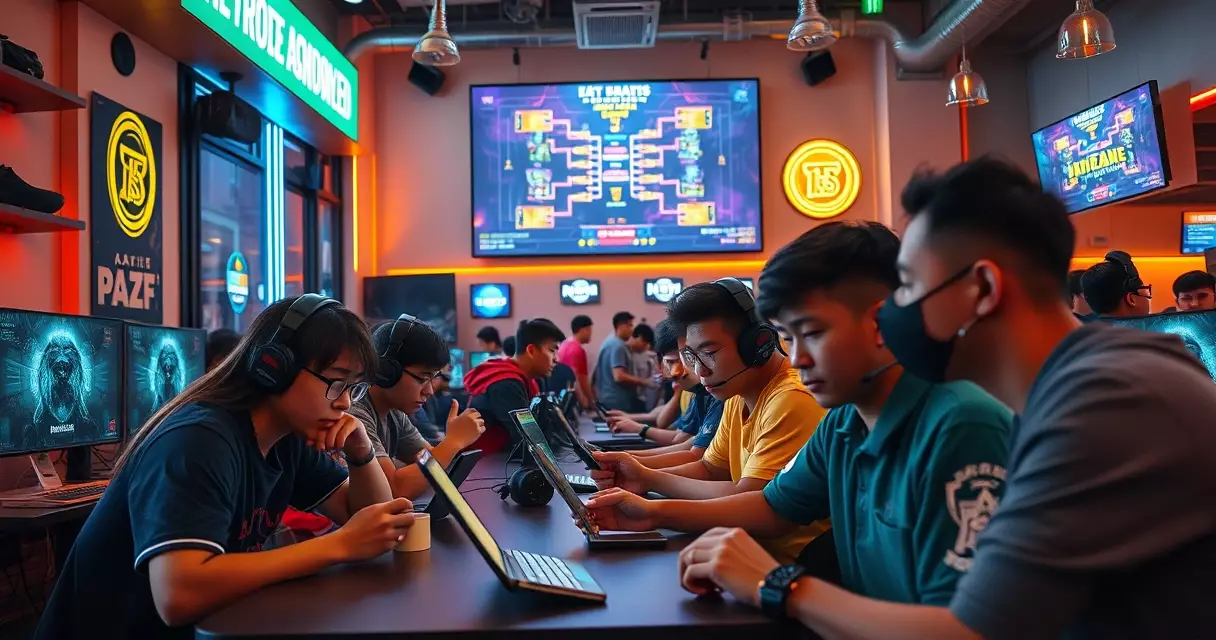
Beyond online platforms, physical gaming hubs and events are also important in Filipino culture. Offline community spaces continue to grow because esports in the country is still rooted in social watching, grassroots competition, and local tournament culture. Conventions and launch events serve as community gatherings.
For example, gatherings like Good Game Con 2026 offer cosplay, tournaments, and various activities that connect fans. Similarly, major publisher launch events showcase the growing presence of international titles in the local market.
In fact, this growing interest can be seen in events like the launch event of Honor of Kings in BGC, proving that developers are serious about entering the Philippine market. For gamers, such events are opportunities to meet the community, learn, and experience the game firsthand.
Internet and Infrastructure: The Foundation of Filipino Gaming
No gaming culture can thrive without a solid foundation of connectivity. In the Philippines, the continuous improvement of internet infrastructure is one of the silent forces behind the growth of gaming. The increase in fiber connections to households and the wider coverage of mobile data have opened the door for millions of new players, especially in provinces that previously had limited access.
For competitive gaming, latency or “ping” is critical. High ping can lead to defeat no matter how skilled a player is. This is why many serious gamers invest in better routers, wired connections, or even gaming-optimized telco plans. Understanding this technical aspect is also part of a good game hub’s duty: it not only provides game guides but also the setup needed to play well.
It’s also important to mention the role of mobile data in daily gaming. Since not everyone has access to fixed broadband, Filipino gamers rely heavily on prepaid and postpaid data. As a result, games that are data-light and have low storage requirements are often more popular. This is also why games like MLBB, optimized for mid-range devices, remain king in the market.
Streaming, Content Creation, and New Careers in Gaming
One of the biggest changes in recent years is the emergence of gaming as a legitimate career outside of professional competition. According to Statista, one of the forces behind the growth of the esports market is sponsor and advertiser interest, as well as the ease of streaming. For the average gamer, this means a new opportunity: you don’t have to be the best player to earn in the industry.
Here are some of the main income paths connecting gaming culture and content creation:
- Streaming: live gaming on platforms with donation, subscription, and ad revenue.
- Content creation: making guides, highlights, and reviews with sponsorship or ad income.
- Coaching and analysis: teaching strategy to aspiring players.
- Community management: managing teams, servers, or events for organizations.
However, it’s important to be realistic. This path is not easy, and not everyone will succeed. Consistency, production skills, and patience are needed before an audience grows. The important thing is that a reliable hub provides guidance not only on how to play well but also on how to build trust and community around your content.
For those just starting in content creation, the advice is to start with what you can do consistently. It’s better to regularly upload simple content than to occasionally produce high-quality but rarely released content. Choose a game or field you truly know, and specialize in it. Over time, your reputation as a reliable source of information will be your strongest asset. This is also what sets a true game hub apart from a temporary trend: consistency, data integrity, and genuine care for the community.
The Future and Challenges of Gaming in the Philippines
Although the future is bright, the industry still faces challenges. According to Statista, limitations include limited media rights, publisher fees, and regulations on esports betting. It’s important for the community to understand these challenges to help foster healthier growth in the scene.
| Challenge | Impact | Possible Response |
|---|---|---|
| Limited media rights | Barrier to tournament monetization | Local n |