
Summary
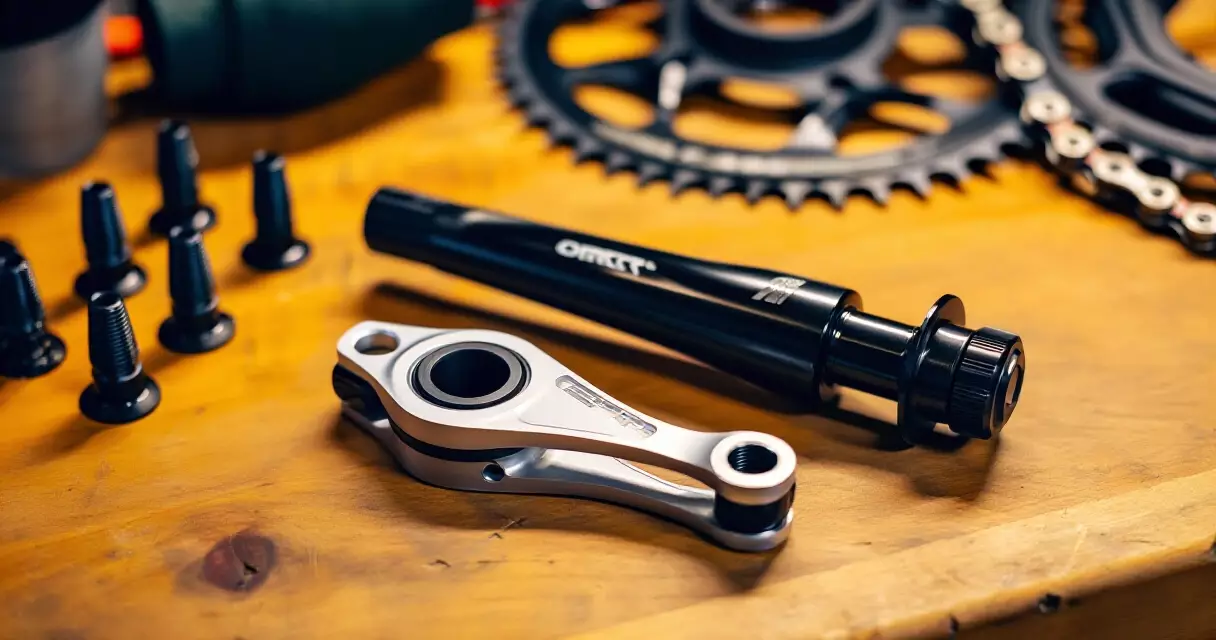
If you are a Filipino cyclist thinking about upgrading your bike from the old quick-release (QR) hub to the modern thru axle system, you're in the right place. The QR hub to thru axle conversion is one of the most...
Table of contents
- 1 What is the Difference Between QR Hub and Thru Axle?
- 2 Why Do Riders Want to Convert from QR Hub to Thru Axle?
- 3 The History of QR and Thru Axle in Cycling
- 4 How to Convert QR Hub to Thru Axle: Methods
- 4.1 Method 1: Use a Thru Axle Adapter
- 4.2 Method 2: Replace Hub End Caps
- 4.3 Method 3: Rebuild the Wheel with a New Thru Axle Hub
- 5 Thru Axle Standards You Should Know
- 6 Things to Check Before Converting QR Hub to Thru Axle
- 7 Cost of QR Hub to Thru Axle Conversion in the Philippines
- 8 QR Hub to Thru Axle: Frequently Asked Questions (FAQ)
- 8.1 Can I fit a QR wheel into a thru axle fork without an adapter?
- 8.2 Which is better — QR or thru axle for disc brakes?
- 8.3 What is Boost thru axle and why is it important?
- 8.4 How long does a wheel rebuild take?
- 8.5 Is there a universal thru axle that works on all forks?
- 8.6 Can a thru axle fork be modified to accept a QR wheel?
- 9 Conclusion: The Right Decision for Your Setup
- 10 Sources
If you are a Filipino cyclist thinking about upgrading your bike from the old quick-release (QR) hub to the modern thru axle system, you’re in the right place. The QR hub to thru axle conversion is one of the most popular upgrades in mountain biking and road cycling today, especially for those using newer forks and frames designed for thru axles. In this guide, we will cover everything: from the differences between the two systems, how to convert, what adapters are available, and what suits you best.
What is the Difference Between QR Hub and Thru Axle?
The quick-release (QR) hub uses a thin 9mm skewer that passes through the hollow axle of the hub, clamped onto the fork dropout. This system has been the standard in the bicycle industry since it was introduced by Tullio Campagnolo in 1927, and it has long been the standard on almost all bicycles. However, as modern forks and frames become stronger — especially in mountain bikes and gravel bikes — the need arose for a more robust connection between the wheel and the frame or fork.
The thru axle, on the other hand, is a thicker axle (typically 12mm, 15mm, or 20mm in diameter) that directly passes through the fork leg or frame dropout and is threaded on the other side. Instead of a simple clamp mechanism, the entire axle itself provides structural support. According to Sheldon Brown’s Bicycle Technical Info, the thru axle system provides greater lateral stiffness and more consistent wheel alignment, which is critical for disc brake performance.
Why Do Riders Want to Convert from QR Hub to Thru Axle?
There are several reasons why Filipino cyclists consider doing the QR hub to thru axle conversion. First, many of the new forks and frames — like those made by Rockshox, Fox Racing Shox, and Shimano for 2024-2026 — are designed exclusively for thru axles and do not accept QR wheels without an adapter. This happens when you upgrade your fork but still have old QR wheels.
Second, the tighter clamping force of the thru axle provides more reliable disc brake performance. According to BikeRadar, the thru axle prevents the wheel from shifting under braking force, resulting in a more consistent brake feel. For Filipino riders using trail or enduro bikes in the mountains of Benguet or Cebu, this difference is truly felt.
The History of QR and Thru Axle in Cycling
The quick-release system was invented by Italian bikepacker Tullio Campagnolo in 1927 after he struggled to remove a wheel in a race in cold weather while wearing gloves. His 9mm skewer system became the standard on almost all bicycles for over 80 years. The thru axle first appeared on downhill mountain bikes in the late 1990s, where manufacturers like Fox and RockShox required a more robust connection for more extreme off-road use. In 2012, major brands began transitioning trail and all-mountain bikes to thru axle, and now in 2026, almost all new mid-range to high-end mountain bikes and road bikes with disc brakes use thru axle as standard.
How to Convert QR Hub to Thru Axle: Methods
There are three main ways to address a QR hub to thru axle situation:
Method 1: Use a Thru Axle Adapter
The most affordable solution is to use a QR-to-thru-axle adapter. Products like popular upgrades in the cycling community, these adapters allow you to fit a QR hub wheel into a thru axle fork. Well-known brands offering such adapters include Wheels Manufacturing, Problem Solvers, and Convertamax. It’s important to note that this adapter has limitations: the stiffness benefit of the thru axle is not fully achieved because the hub axle itself remains 9mm.
Method 2: Replace Hub End Caps
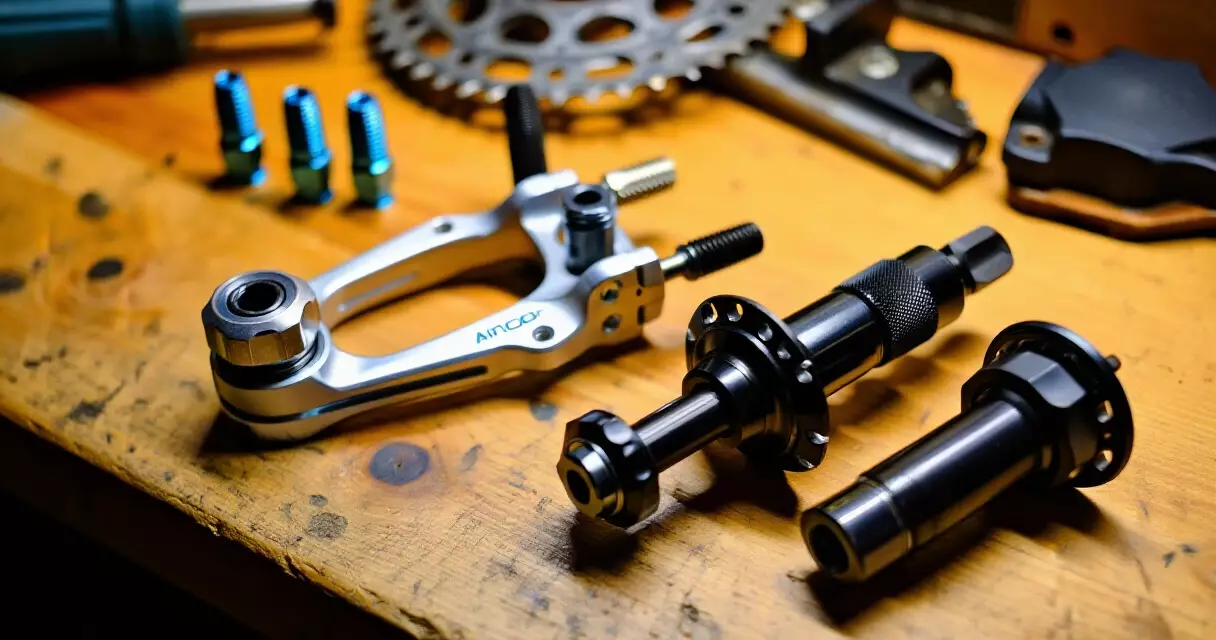
If your hub has a modular end cap system, you can simply replace the end caps to make your wheel thru axle compatible. DT Swiss leads in this system — their Ratchet EXP hubs use universal axle end cap conversion kits that allow switching between QR (9mm), 12mm thru axle, 15mm thru axle, and even 20mm Boost configurations. The price of a DT Swiss end cap conversion kit typically ranges from ₱800 to ₱2,500 depending on where you buy it in the Philippines.
Method 3: Rebuild the Wheel with a New Thru Axle Hub
The most complete solution is to rebuild the wheel with a new thru axle hub. This is explored by serious cyclists who want to get the full benefits of the thru axle. In the Philippines, there are local bike shops in Quezon City, Cebu, and Davao that offer wheel rebuild services. Hubs like Shimano Deore XT M8100, Shimano SLX M7100, and Hope Pro 5 are popular in the Filipino MTB community for their durability and price.
“Switching from QR hub to thru axle is not just a technical upgrade — it is a transformation of your bike’s entire experience, especially in disc brake performance and wheel stiffness.”
Thru Axle Standards You Should Know
One of the confusing aspects of QR hub to thru axle conversion is the number of different thru axle standards. Not all thru axles are the same, so it’s important to know what standard your fork or frame uses.
| Standard | Diameter | Thread Pitch | Common Use |
|---|---|---|---|
| Boost 15x110mm | 15mm | P1.50 | Front of MTB (almost all new MTB) |
| Standard 15x100mm | 15mm | P1.50 | Old MTB fork and road |
| Rear 12x148mm Boost | 12mm | P1.75 | Rear of modern MTB |
| Rear 12x142mm | 12mm | P1.75 | Rear of road and gravel bikes |
| Downhill 20x110mm | 20mm | P1.50 | DH bikes, front |
The Boost standard (110mm front, 148mm rear) has become the most common thru axle setup on new mountain bikes since 2016. This wider spacing provides shorter and more robust spoke geometry, resulting in stronger wheels. If you convert a wheel for a Boost fork, you need a Boost-compatible hub (110mm end-to-end).
Things to Check Before Converting QR Hub to Thru Axle
Before investing in any conversion, first check the following:
- Fork/Frame Standard: Determine what thru axle standard your fork or frame uses. Check the specs in the manual or the manufacturer’s website.
- Hub Compatibility: Check if your current hub has a modular end cap system. If yes, find out if there is an available thru axle conversion kit for your model.
- Disc Brake Rotor Mount: Both post mount and centerlock rotor mounts work with QR and thru axle, but double-check that the caliper position does not change significantly after the conversion.
- Freehub Body: If you are replacing the hub, ensure the freehub body is compatible with your cassette (HG for Shimano/SRAM, XD for SRAM Eagle, Microspline for Shimano 12-speed).
- Axle Length: Each thru axle has a specific length. The wrong length will not fit your fork or frame.
Cost of QR Hub to Thru Axle Conversion in the Philippines
The cost of conversion varies widely depending on the method you choose. Based on prices in the Philippines seen in local bike shops and online stores like Shopee and Lazada in July 2026, here is a general price guide:
| Conversion Method | Estimated Cost (PHP) | Pros | Cons |
|---|---|---|---|
| QR-to-Thru Axle Adapter | ₱500 – ₱1,500 | Cheap, quick, no special skills | Does not achieve full benefit of thru axle |
| Hub End Cap Replacement | ₱800 – ₱2,500 | Retains original wheel, true conversion | Not all hubs have available conversion kits |
| New Hub + Wheel Rebuild | ₱4,000 – ₱15,000+ | Most complete, can choose a better hub | Expensive, longer process |
For Filipino cyclists upgrading their fork but still wanting to reuse old wheels, the end cap conversion route is the most cost-effective path, as long as the hub is compatible. For select hubs like popular performance upgrades in the biking community, the DT Swiss EX511 and Shimano Deore hub have available end cap kits.
“In the Philippines, where many riders reuse old components to save money, understanding which conversion method suits your setup saves you money and time.”
QR Hub to Thru Axle: Frequently Asked Questions (FAQ)
Can I fit a QR wheel into a thru axle fork without an adapter?
No. The QR fork and thru axle fork have different dropout designs. A QR wheel will not fit into a thru axle fork without a special adapter because the dropouts of a thru axle fork are designed to accept a thicker axle and often do not open like traditional QR dropouts. You need an adapter or replace the hub.
Which is better — QR or thru axle for disc brakes?
Technically, the thru axle is better for disc brakes. It prevents the wheel from shifting under braking force, resulting in more consistent brake pad alignment and more reliable stopping power. This difference is more noticeable in mountain biking and enduro riding than in casual use. For flat road commuting, the difference may not be as noticeable.
What is Boost thru axle and why is it important?
Boost is a hub spacing standard that widens the hub to 110mm (front) and 148mm (rear) compared to the old 100mm/142mm. This wider spacing allows for shorter and more robust spoke geometry, resulting in stronger and stiffer wheels. If your new fork is Boost-compatible only, you need a Boost-spacing hub for proper fit and performance.
How long does a wheel rebuild take?
For an experienced wheel builder, a full wheel rebuild with a new hub typically takes 1 to 3 hours of work. In local Filipino bike shops, the turnaround time is usually 1 to 3 days depending on the shop’s workload and parts availability. Some specialist wheel builders in Manila offer express service for an additional fee.
Is there a universal thru axle that works on all forks?
There is no true universal thru axle because different forks have different diameters, lengths, and thread pitches. However, some brands like Fox Racing Shox use standardized thread pitches (P1.50) that allow for wider compatibility. Always check your fork’s specs before purchasing a replacement thru axle.
Can a thru axle fork be modified to accept a QR wheel?
In most cases, this is not recommended. Some special adapters allow the use of a QR wheel in a thru axle fork, but modifying the fork’s dropout may compromise its structural integrity. Replacing or rebuilding the hub is safer and more cost-effective than modifying the fork.
Conclusion: The Right Decision for Your Setup
The QR hub to thru axle conversion is a practical step for Filipino cyclists upgrading their bikes to more modern components. The key to the right decision is understanding your current setup — what thru axle standard your fork or frame uses, if your hub has a modular end cap system, and how much your budget is for the conversion. For beginner cyclists exploring cycling upgrades, you can read our tech upgrade guides for a broader perspective on where to invest your money as a rider.
If your hub has an end cap conversion system like DT Swiss, replacing the end caps is the most economical way. If not, consider rebuilding the wheel with a new thru axle-compatible hub — it’s an investment that pays off in better performance and wider compatibility with future bike upgrades.
- First check the thru axle standard of your fork (diameter, length, thread pitch)
- Determine if your hub has a modular end cap system
- If there is an end cap kit — this is the most cost-effective solution
- If not — consider a wheel rebuild with a new Shimano, DT Swiss, or Hope hub
- Always consult a trusted local bike shop before spending
Sources
- Sheldon Brown – Axle Widths and Standards — accessed on July 8, 2026
- BikeRadar – Complete Guide to Thru Axles — accessed on July 8, 2026
- DT Swiss – Axle Systems and End Cap Conversions — accessed on July 8, 2026
- Park Tool – Thru Axle Overview and Service — accessed on July 8, 2026
- ISO 4210 – Safety Requirements for Bicycles — accessed on July 8, 2026